
First Alert Carbon Monoxide End Error
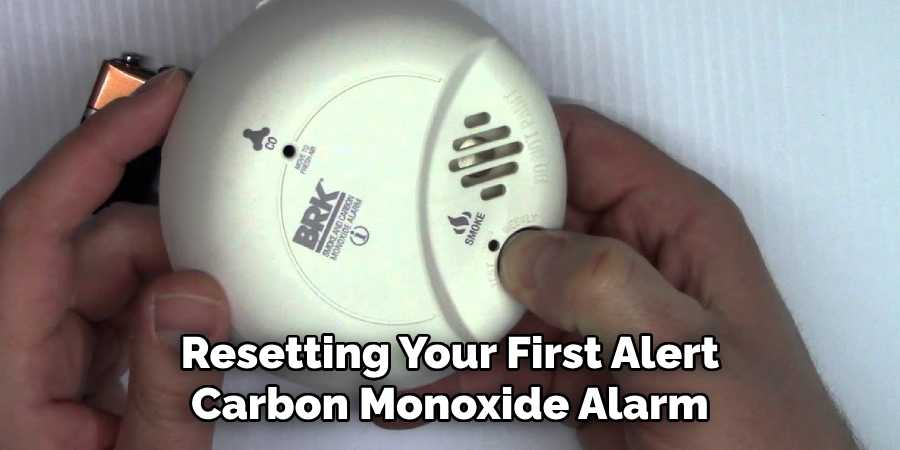
Ever been chilling at home, maybe binge-watching your favorite show, when suddenly your First Alert carbon monoxide detector starts doing something... weird? Maybe it beeps in a pattern you don't recognize, or, even more mysteriously, flashes a little message like "End Error" or just "End"?
If your first thought was, "Oh no, my guardian angel of air quality is broken!" you're totally not alone. It sounds like a problem, right? An "error" usually means something's gone wrong. But here's where things get really interesting, and dare I say, kind of cool. This isn't your average tech glitch; it's something much more profound.
The Mystery of the "End Error" Solved!
What if I told you that this "End Error" isn't a malfunction at all? Nope, it's actually a deliberate, thoughtful, and incredibly important design feature. Mind blown yet? It should be! This little indicator is a testament to some serious foresight in product development.
Must Read
Think about it: most of our everyday gadgets just... die. Your phone gives up the ghost with no notice, your remote stops working unexpectedly, your old toaster just toasts less effectively until you give up on it. They don't usually send you a polite, yet firm, heads-up that their time is almost up. They simply cease to be, often leaving you scrambling for a replacement. But your carbon monoxide detector? It takes a different, much more responsible approach.
Your Unsung Hero's Swan Song: A Final Act of Protection
This "End Error" message is your device's way of saying, "Hey human! I've served you well, guarded your sleep, and protected your family from the silent killer that is carbon monoxide for years. My sensitive sensors are reaching the end of their reliable lifespan, and to keep you truly safe, it's time for me to retire. Please get a replacement!"
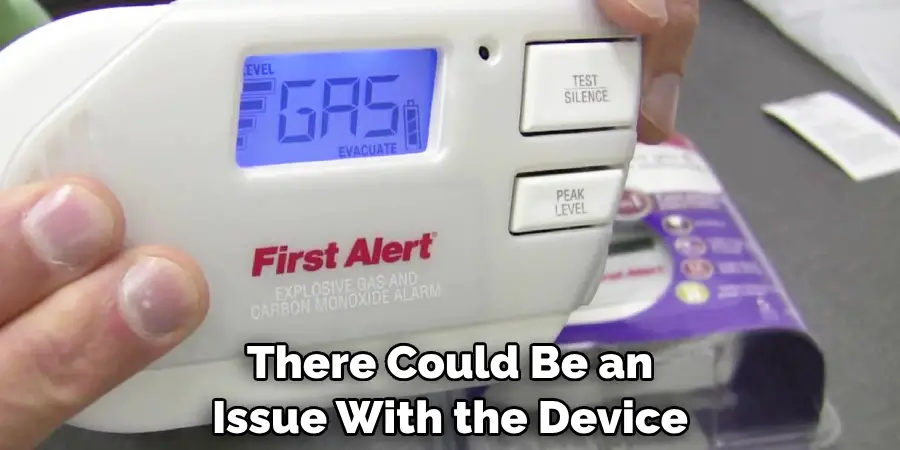
Isn't that just incredibly considerate? It's like your trusty old car refusing to start one morning, not because it's broken beyond repair, but because it's decided to give you ample warning before its brakes completely fail on the highway. Or perhaps, like a veteran lifeguard, knowing their reaction time isn't what it used to be, gently passing the whistle to a fresh recruit. Except, you know, for your lungs and brain, which are far more precious than any car or swimming pool!
Most carbon monoxide detectors are designed to last about 5 to 7 years, sometimes up to 10 for specific models. Why this fixed lifespan? Because the sensitive chemical sensors inside them, the very heart of their life-saving ability, slowly degrade and lose their accuracy over time. It's not a flaw in manufacturing; it's simply the natural aging process of the highly specialized materials and components that allow them to detect a colorless, odorless, and deadly gas. They become less accurate, less reliable, and therefore, less effective at their vital job.
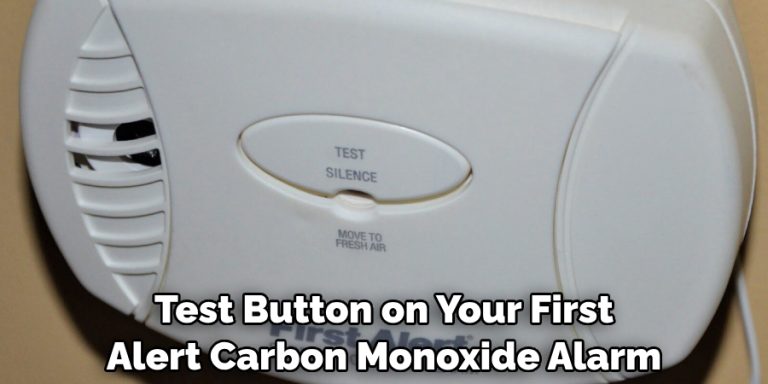
Why This Is Genuinely Brilliant Design
Imagine if these detectors just stopped working silently, their internal sensors giving up without a peep. You'd have no idea your invisible shield against carbon monoxide had disappeared until it was potentially too late. That's a terrifying thought, right? This invisible gas can cause severe illness, permanent brain damage, and even death, often before you even realize anything is wrong.
Instead, the thoughtful engineers at First Alert (and other brands that implement similar features) decided, "Let's make sure our device gives a final, unmistakable warning. Let's make sure it empowers the user to maintain their safety." This isn't an error; it's a crucial feature that prioritizes your safety above all else, ensuring that you're never left unknowingly unprotected. It's a technological marvel that understands its own limitations and proactively communicates them to you, rather than failing in silence.
It's like having a personal safety assistant who, after years of diligent, silent service, gently taps you on the shoulder and says, "My watch is ending, but fear not, I've reminded you to find my replacement!" How many pieces of tech in your home are that thoughtful, that proactive about your well-being? This foresight in design speaks volumes about the commitment to user safety. They didn't just build a device; they built a system designed to keep you informed and protected throughout its entire functional life, right up to its gracefully announced retirement.

This kind of engineering foresight gives you peace of mind. You don't have to guess if your detector is still working; it tells you exactly when it's done its job and needs to be replaced. It takes the guesswork out of crucial home safety, ensuring you can trust your environment.
More Than Just a Beep: An Intelligent Farewell
So, the next time you hear that peculiar "End Error" sound or see the message, don't groan in frustration or panic. Take a moment to appreciate it. That little device, silently monitoring the air for years, is performing its final, most important act of protection. It's telling you, clearly and concisely, that it's time for a fresh guardian to take its place on the wall.
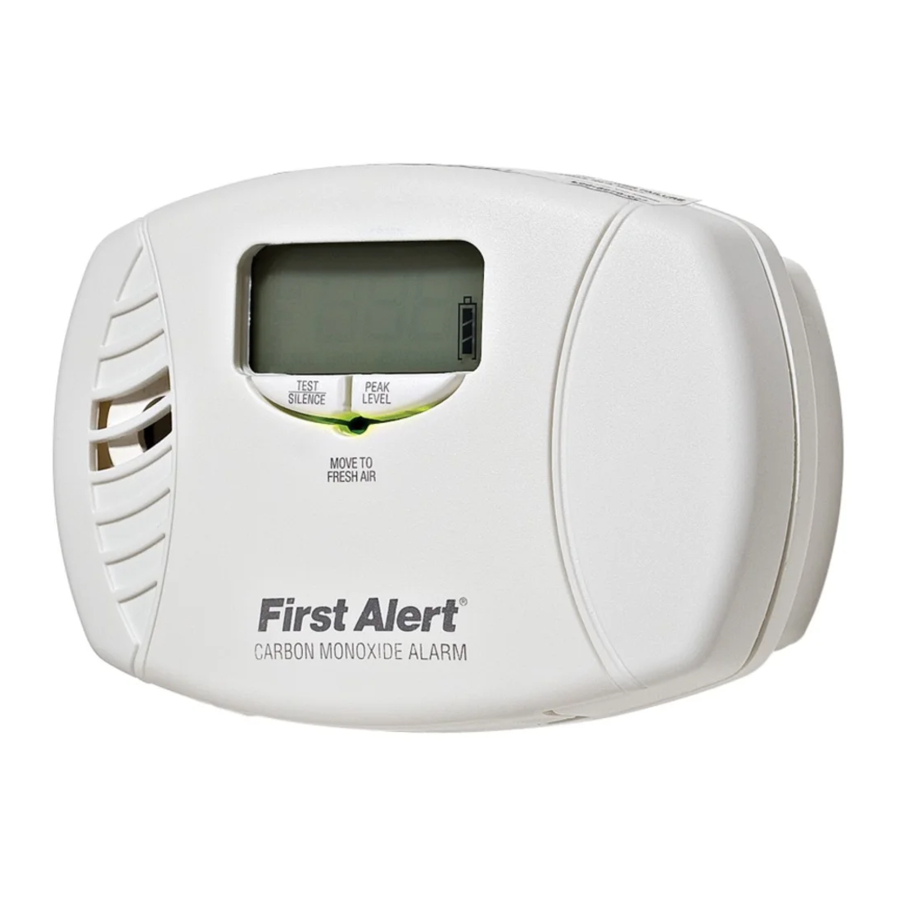
It's a powerful reminder that even in the most mundane household items, there can be incredibly clever engineering and a deep, empathetic consideration for human well-being. It transforms what could be a moment of confusion or anxiety into a clear, actionable directive for continued safety.
So, let's give a little nod to these unsung heroes of home safety. They work tirelessly, often unnoticed, until their final, emphatic communication: "My duty is done. Get a new one, and stay safe!" This isn't an error; it's a promise kept, a responsibility fulfilled.
It’s a powerful, elegant, and rather heartwarming end to a device’s journey, ensuring your peace of mind continues without interruption. Pretty cool for an "error," wouldn't you say? It's proof that sometimes, the most important messages come in the most unexpected packages.