First Alert Carbon Monoxide Detector Sound
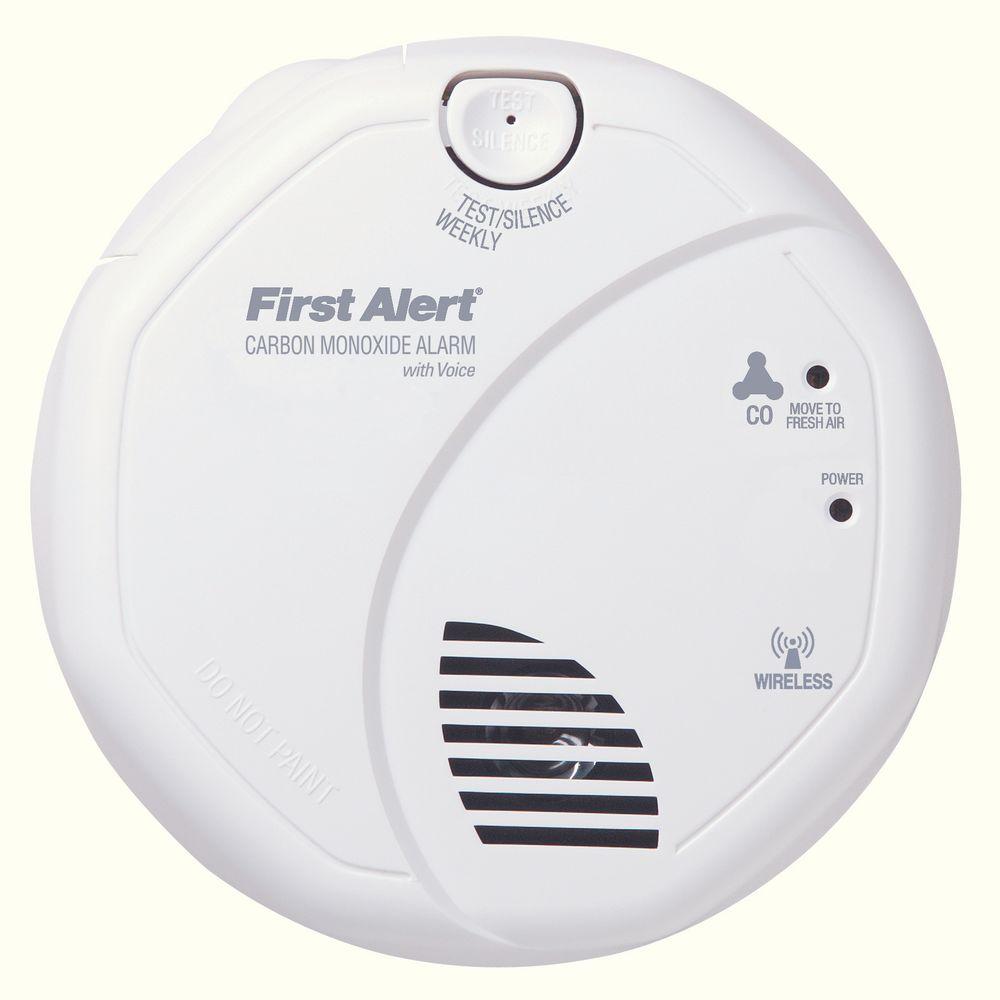
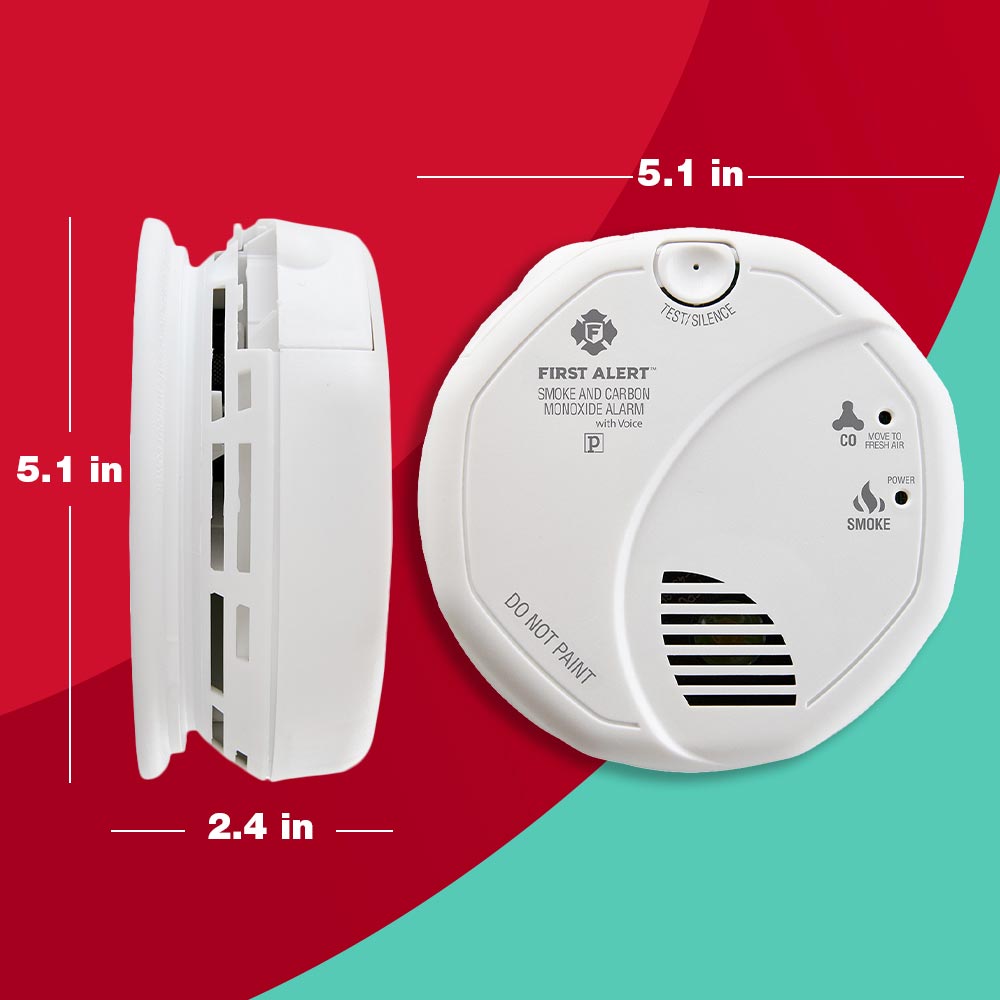
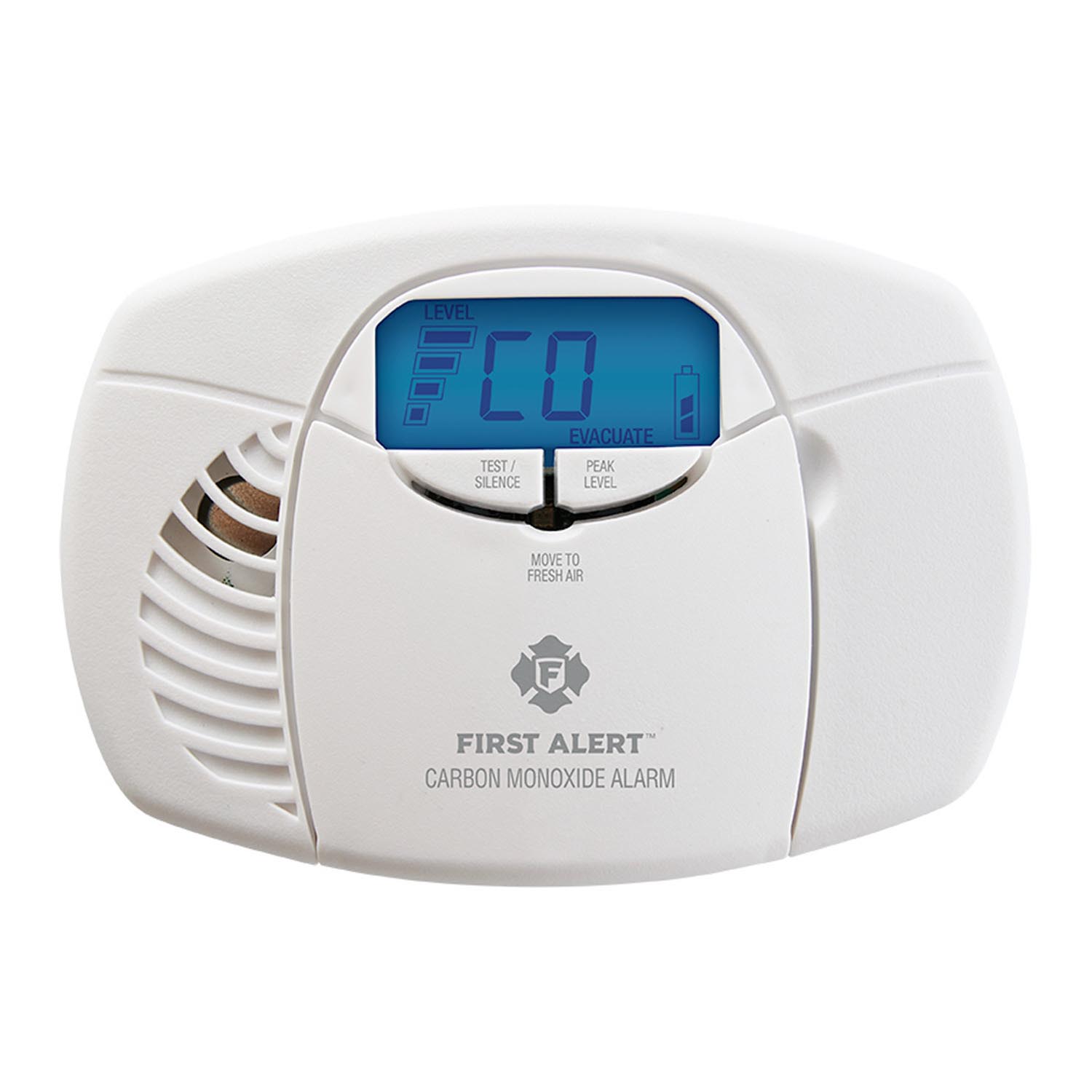
In a world full of catchy pop tunes and elaborate symphonies, who would have thought that a simple, utilitarian alert sound could become an unexpected muse? We're talking about the distinct, urgent, yet oddly compelling three-beep pattern of the First Alert Carbon Monoxide Detector Sound. While its primary purpose is undeniably serious—a vital warning in our homes—its unique rhythmic structure and clear sonic texture have begun to capture the ears and imaginations of creatives everywhere. Far from its life-saving origins, this iconic sound is being re-imagined, re-purposed, and celebrated as a quirky new building block in the vast landscape of artistic expression.
For artists, hobbyists, and casual learners alike, the First Alert Carbon Monoxide Detector Sound offers a surprising array of benefits. Musicians can find in it a ready-made rhythmic foundation, perfect for sampling, looping, or re-contextualizing into a percussive beat. Sound designers might appreciate its sharp, attention-grabbing quality, ideal for manipulation, layering, or even as a unique sound effect in a short film or game. For those just dipping their toes into audio experimentation, it’s a fantastically accessible starting point. It requires no musical theory, just an ear for rhythm and a willingness to play. Even visual artists might find inspiration in its repetitive pulse, translating its temporal pattern into abstract visual sequences or minimalist compositions.
So, how exactly are people getting creative with this beep? The possibilities are surprisingly varied. Imagine a lo-fi electronic track where the "beep-beep-beep" serves as the central, hypnotic drum pattern. Or picture an ambient soundscape where the sound is stretched, reverberated, and modulated to create an ethereal, almost cinematic drone. Some brave souls have even assigned pitches to each beep, crafting simple yet memorable melodies from its austere structure. It's been used humorously in skits, repurposed as an unconventional notification sound for a smartphone, or even become the unexpected star of experimental art installations. The beauty lies in its universality and its inherent ability to grab attention, which, when de-contextualized, opens up a world of experimentation.
Must Read
Ready to try it at home? It's easier than you think! First, you don't need to trigger an actual detector (safety first, always!). Many recordings of the sound are available online, or you can even mimic it yourself with a simple tone generator app. Once you have your "beep-beep-beep," import it into any basic audio editing software—Audacity (free!), GarageBand, or your preferred digital audio workstation (DAW). Now, let the fun begin: try changing its pitch, adding delay or reverb, chopping it up and rearranging the pieces, or looping it to create a continuous rhythm. Layer it with other sounds, or just let it stand alone as a minimalist sonic statement. The key is to simply play and see what emerges from this familiar, yet now infinitely malleable, sonic texture.
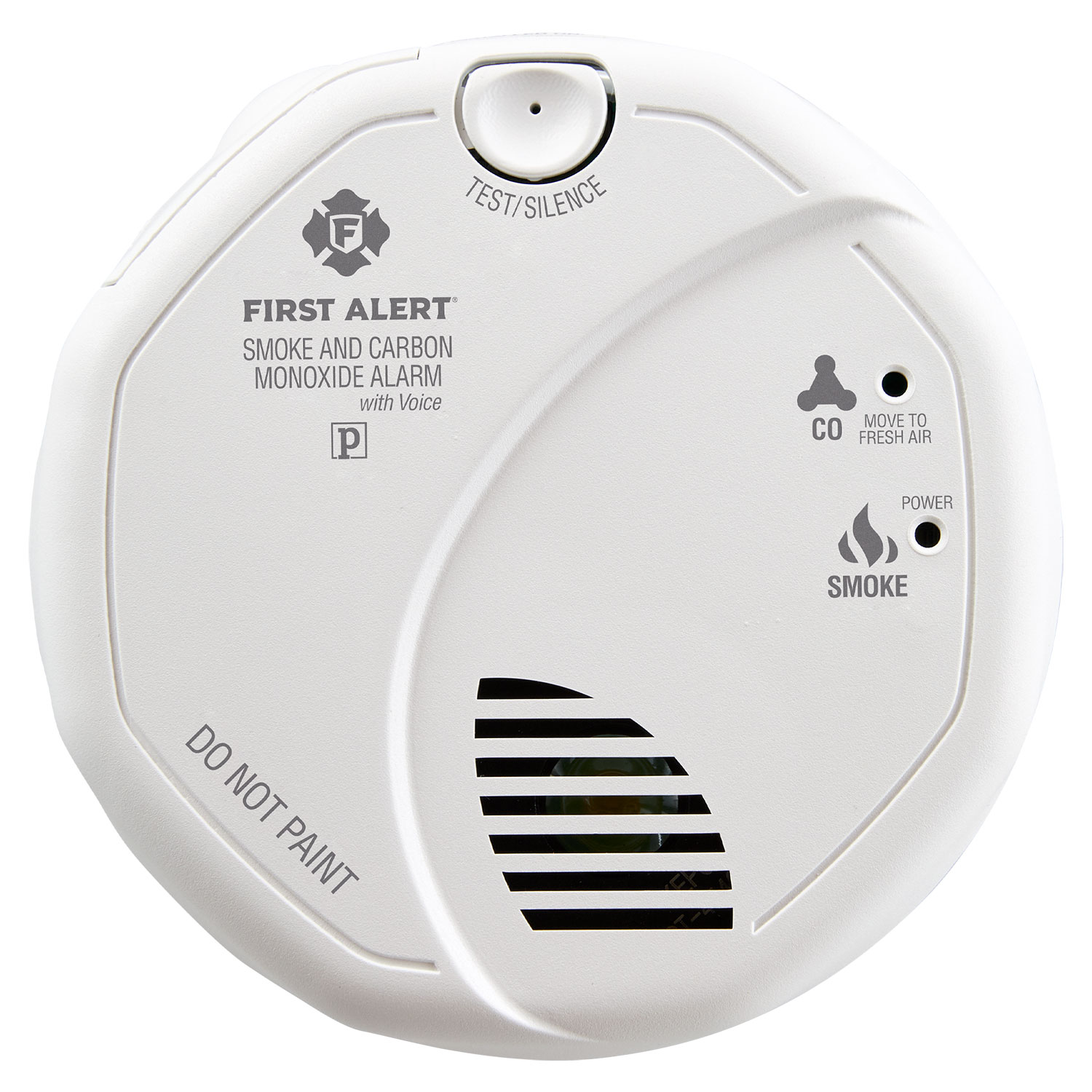
Ultimately, engaging with the First Alert Carbon Monoxide Detector Sound as a creative tool is about turning the mundane into the magical. It's about finding inspiration in the everyday, challenging our perceptions of what sounds are "musical," and breaking down barriers to entry for sound creation. It’s an incredibly accessible, surprisingly versatile, and genuinely fun way to explore sound design and rhythm. So go ahead, give it a listen, and let this little three-beep wonder spark your imagination. You might just discover your next great artistic venture in this wonderfully quirky creative playground.