Fire Alarm System Monitoring Requirements
Ever heard a fire alarm blare and thought, "Well, that got my attention!"? Fire alarms are pretty dramatic, right? But here's a secret: the sound is just one part of their heroic job. The truly fascinating, and often overlooked, superhero aspect is what happens after the alarm goes off. We're talking about the silent, vigilant world of fire alarm system monitoring – a topic far more engaging than you might imagine! It’s like having a dedicated guardian angel, always on call, ensuring that when things go south, help is already on the way.
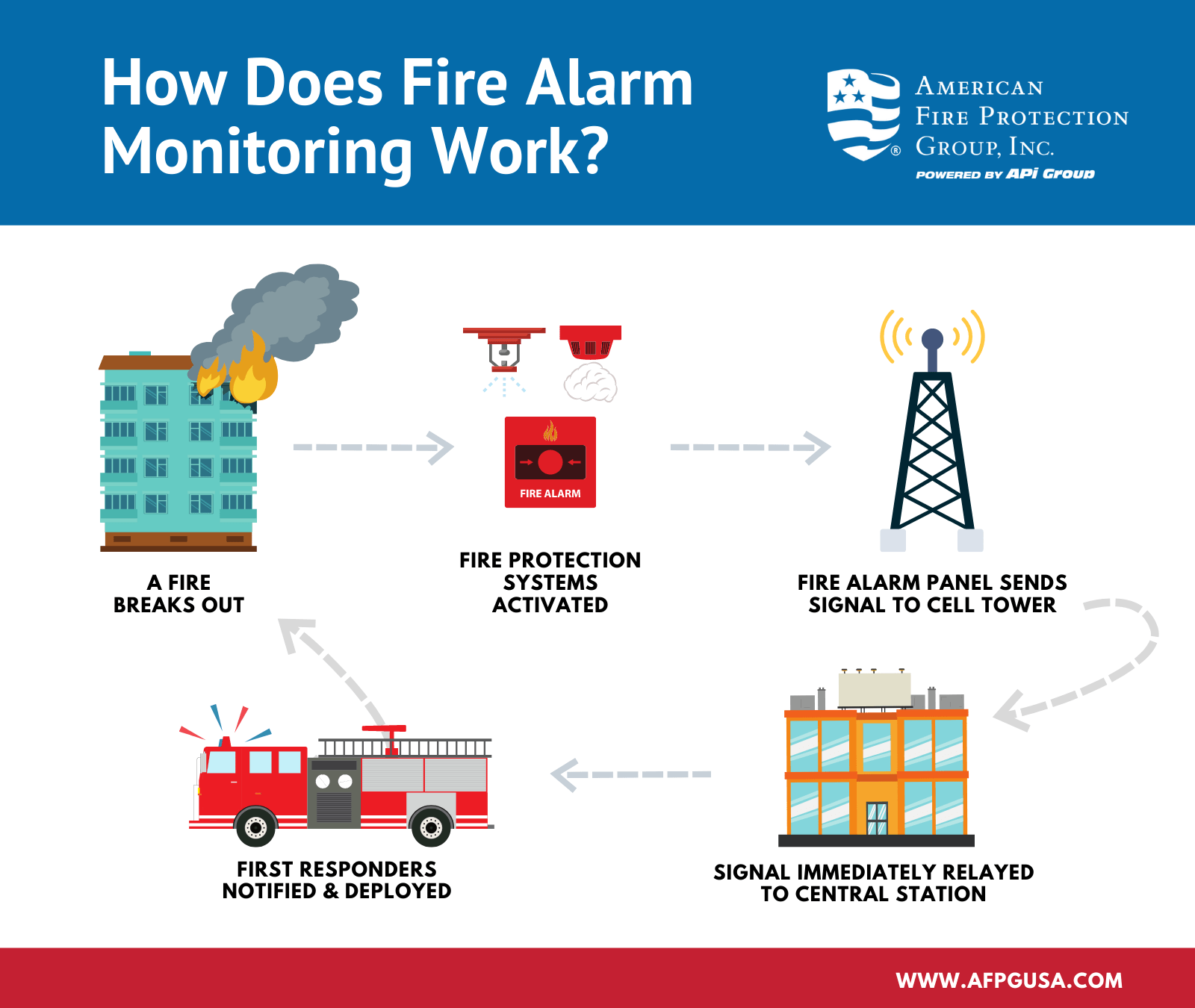
Why bother monitoring? Imagine a fire breaking out in an empty building in the middle of the night. The alarm blares, but who hears it? Who calls 911? This is where monitoring swoops in. Its primary purpose is to ensure that when your fire alarm system detects trouble – whether it's smoke, heat, a sprinkler activating, or even a system malfunction – that information is instantly relayed to a monitoring center.
The benefits are huge. First, and most crucially, it means faster emergency response. Instead of waiting for someone to notice smoke or hear a distant alarm and then call for help, the monitoring center dispatches emergency services almost immediately. This rapid response can be the difference between a small incident and a catastrophic disaster, potentially saving lives and minimizing property damage. It’s peace of mind, knowing that your building, and everyone in it, is under constant, professional vigilance.
Must Read
So, what exactly needs to be monitored, and how does it work? Think of your fire alarm system as a sophisticated network of sensors and alarms. It generates different types of signals, and each one is critical:
- Alarm Signals: These are the big ones! When smoke is detected, heat rises dangerously, or a pull station is activated, an "alarm" signal is sent. The monitoring center receives this, verifies it, and immediately contacts the fire department. This is the most urgent signal.
- Supervisory Signals: These indicate a condition that could impair the system's effectiveness. For example, if a sprinkler valve is closed (preventing water flow), or if a critical system component isn't working correctly. While not an immediate fire, it’s a warning that your system might not perform as intended during an actual emergency. The monitoring center will alert the building owner or designated personnel to address it promptly.
- Trouble Signals: These are for system malfunctions. Think of it as a "check engine" light for your fire alarm. If there's a wiring fault, a low battery, or a sensor isn't communicating, a "trouble" signal is sent. These are crucial because they tell you your system might be compromised before an emergency even happens, allowing for timely repairs.
All these signals are typically sent via a dedicated communication path (often a digital communicator or internet connection) to a UL-listed central monitoring station. These stations operate 24/7, 365 days a year, with trained operators ready to act. The "requirements" simply ensure that this communication is reliable, secure, and that the monitoring station responds according to a strict protocol. It's about making sure your fire alarm isn't just a loud noise, but a direct line to safety. By understanding these monitoring requirements, we appreciate the quiet heroes working behind the scenes, keeping us all a little safer, every single day.