
Fire Alarm Goes Off Every Time I Cook

Ah, the sweet symphony of a sizzling pan, the aromatic promise of a delicious meal... suddenly interrupted by the ear-splitting shriek of the fire alarm. If this scenario sounds familiar, welcome to the club! You're not alone in battling the overzealous sentinel perched precariously on your ceiling, ready to declare culinary war every time you dare to brown some butter or sear a steak. It's a modern-day kitchen saga, where every cooking adventure feels like a high-stakes mission.
For many of us, cooking isn't just about fuel; it's a creative outlet, a way to connect, or simply a necessity. But for the chronically 'alarmed' chef, it often feels more like a fire drill than a dinner party prep. From the gentle waft of steam from a boiling pot to the inevitable smoke cloud from a perfectly seared salmon, these detectors seem to have a sixth sense for our culinary endeavors.
Why So Sensitive, My Little Friend?
Ever wondered why your smoke alarm seems to have an almost personal vendetta against your cooking? It's not just you. Most residential smoke detectors are designed to be highly sensitive. There are two main types: ionization alarms and photoelectric alarms. Ionization alarms are generally more responsive to tiny, invisible particles of combustion (think fast-flaming fires), which can include those innocent little wisps of smoke from a hot pan. Photoelectric alarms, on the other hand, are better at detecting larger, visible particles from smoldering fires, but they can still be triggered by dense cooking smoke or even steam.
Must Read
And let's be real, sometimes what we produce in the kitchen isn't just a "wisp." Searing a steak to a perfect crust, stir-frying veggies at high heat like a pro chef, or even just making some extra crispy bacon can generate significant smoke. Your alarm is just doing its job, albeit a little too enthusiastically sometimes.
Your Kitchen Survival Guide: Keeping the Peace
Fear not, culinary adventurers! There are plenty of practical steps you can take to minimize those jarring interruptions and reclaim your kitchen serenity. Think of these as your personal fire alarm diplomacy playbook.
1. Ventilation is Your Best Friend: This is arguably the most crucial tip. Always use your exhaust fan above the stove. If you don't have one, or if it's not powerful enough, open a window. Cross-ventilation can work wonders, whisking away cooking fumes before they even think about reaching the ceiling.
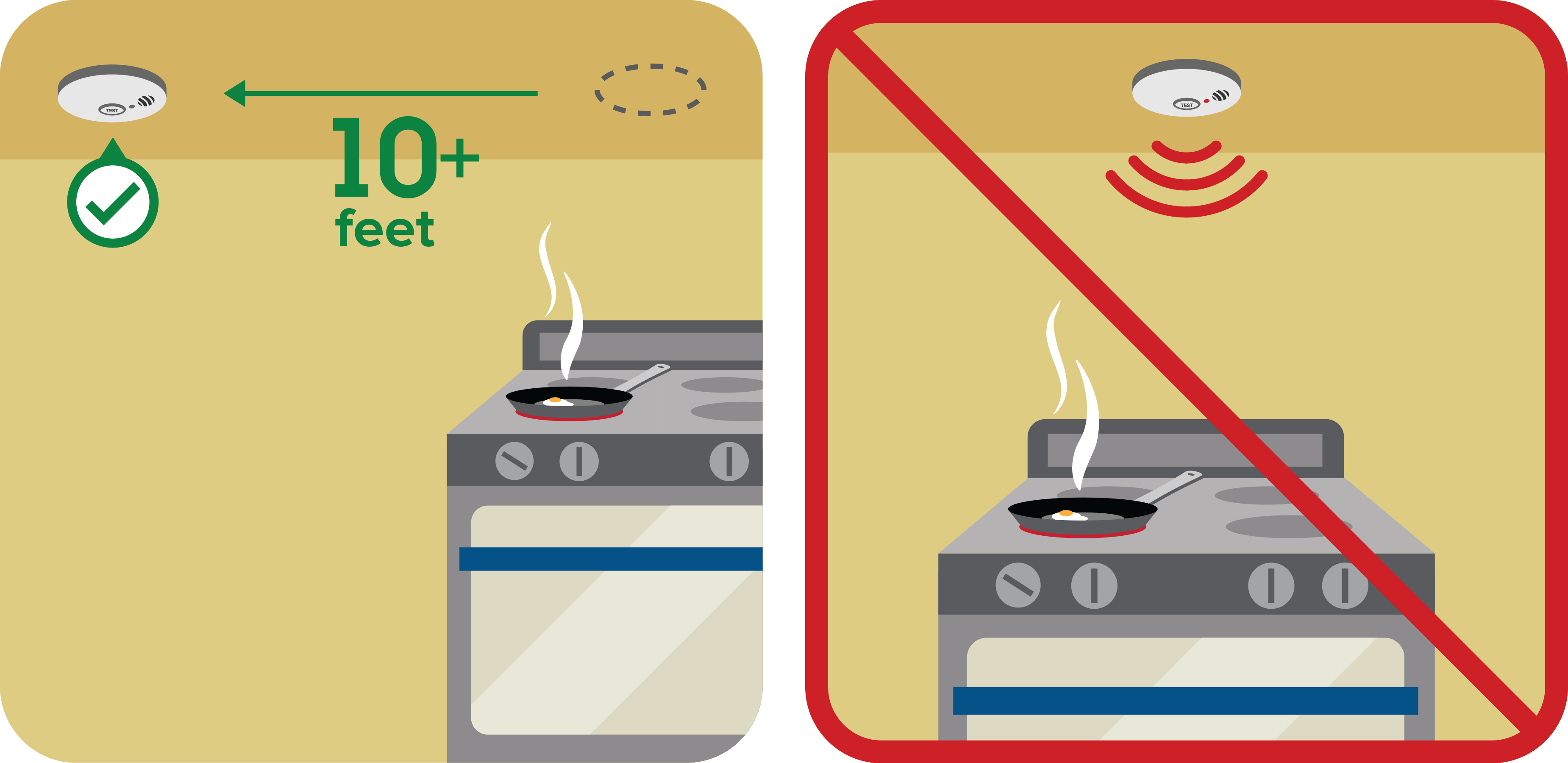
2. Mind the Placement: If your smoke detector is directly above or very close to your stovetop, it's practically begging to go off. If possible, consider relocating it a little further away, ideally at least 10 feet from cooking appliances. Never disable your alarm permanently, but knowing its proximity helps you adjust your cooking style.
3. Low and Slow (Sometimes): High heat can lead to more smoke. For dishes prone to setting off the alarm, try cooking at a slightly lower temperature, especially with oils that have a low smoke point. Speaking of oils, consider using ones with a higher smoke point like avocado oil or refined sunflower oil for high-heat cooking.
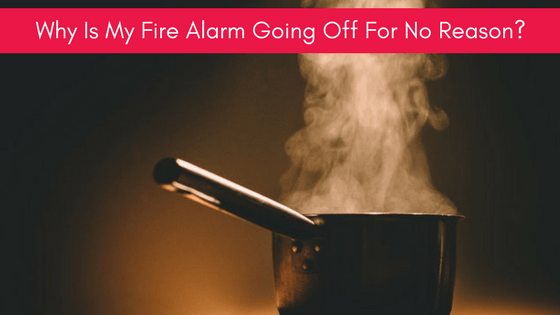
4. The Towel Trick: This is a classic for a reason. If you anticipate a smoky situation (like searing, or maybe just a slightly burnt toast moment), have a towel ready. If the alarm starts to chirp, wave the towel vigorously beneath it to disperse the smoke. It's like a tiny, personal wind machine for your detector.
5. Keep it Clean: A build-up of grease and food debris on your stovetop and oven can contribute to more smoke during cooking. A clean cooking surface means less chance of accidental burning and less smoke to trigger your vigilant alarm.
A Little Perspective & A Fun Fact
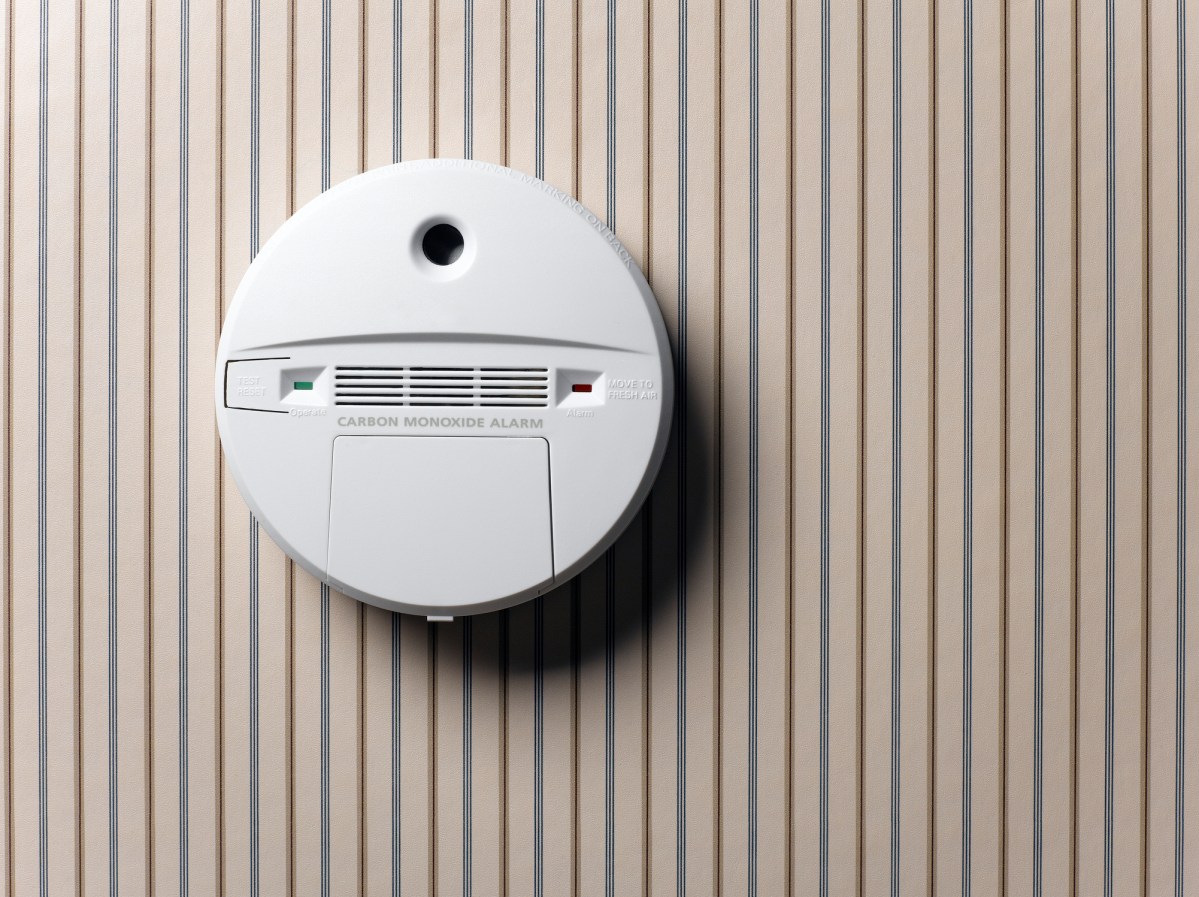
While an annoying interruption, remember that your smoke alarm is there to protect you. It’s a literal lifesaver. According to the National Fire Protection Association, nearly three out of five home fire deaths happen in homes with no smoke alarms or no working smoke alarms. So, even if it goes off every time you make crispy halloumi, take a small comfort in knowing it’s functional!
Did you know the first successful smoke detector was patented in 1902 by a Swiss physicist named Walter Jaeger? But it wasn't until the 1970s that they became widely available and affordable for home use. Imagine cooking back then without the modern-day "scream test" for your culinary skills!
Ultimately, dealing with an overly enthusiastic fire alarm while cooking is a small annoyance in the grand scheme of things. It teaches us patience, problem-solving, and perhaps, to appreciate the quiet moments when our kitchen isn't blaring a warning. So, next time your alarm goes off, take a deep breath, wave your towel, and remember that you're just living a very relatable, very human culinary adventure. And hey, at least you know your bacon is perfectly crispy!
