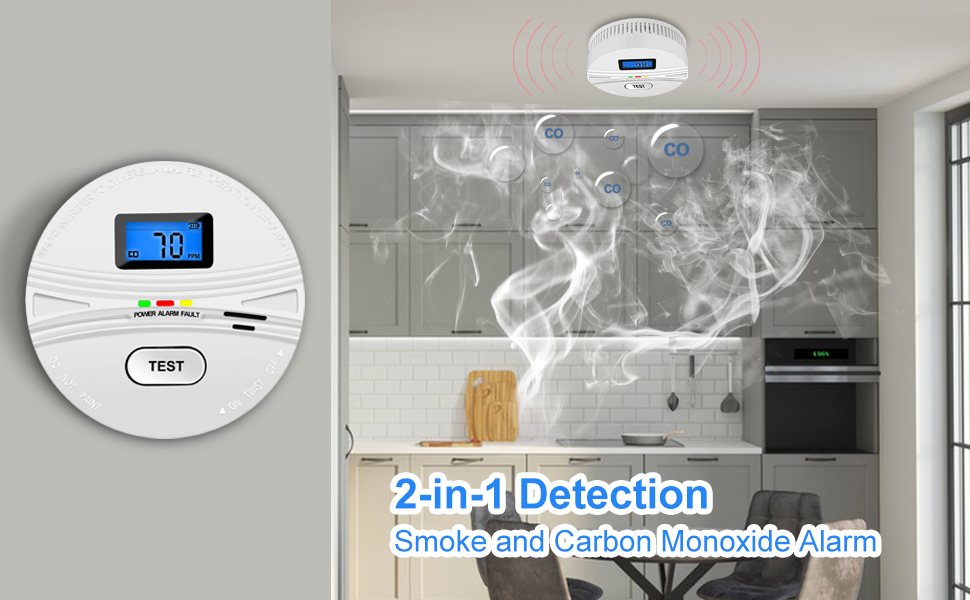
Fire Alarm And Carbon Monoxide Alarm
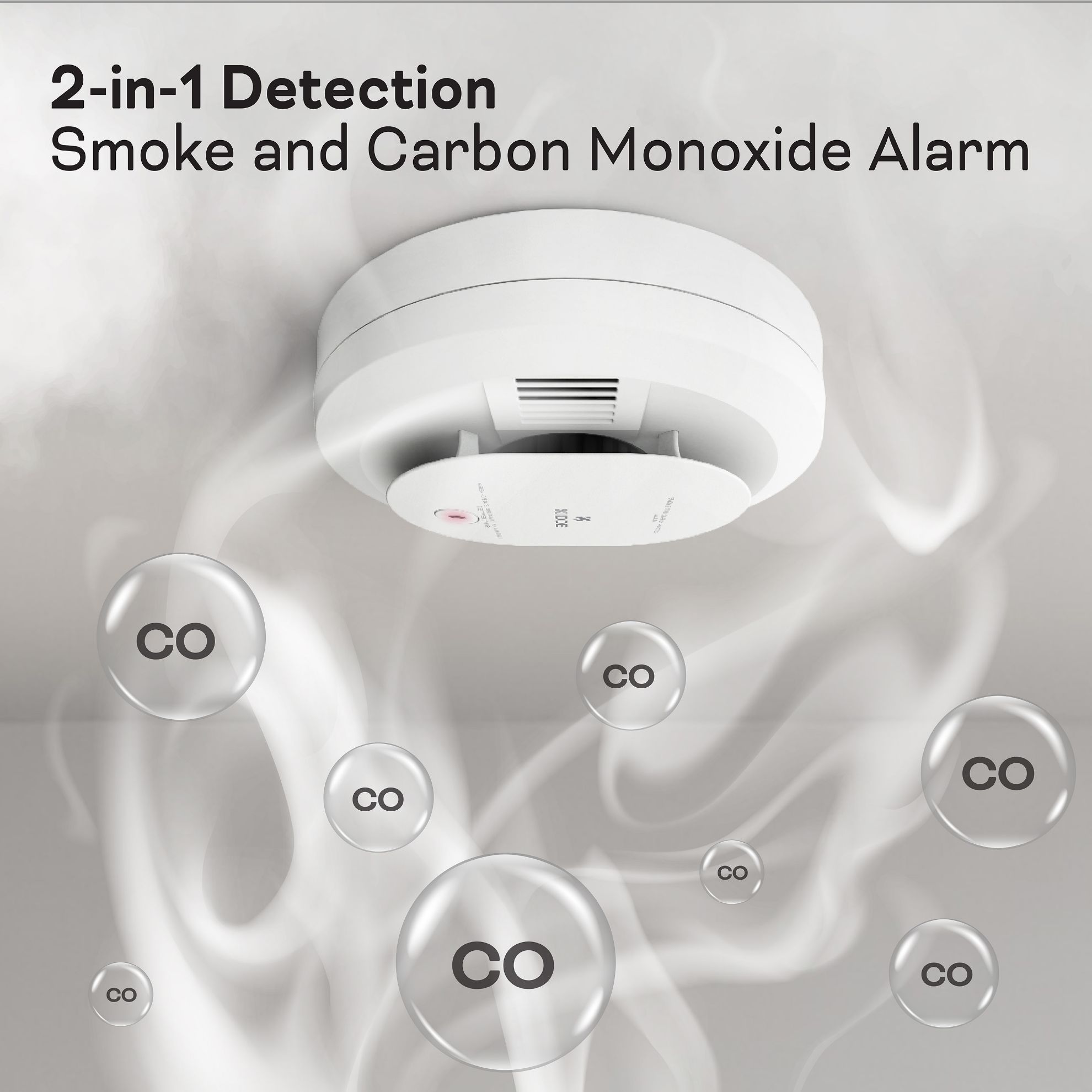
Okay, so picture this: it’s 2 AM. I’m convinced I need a late-night grilled cheese. Butter sizzling, cheese melting – pure bliss, right? Except I got a little... enthusiastic with the heat. Next thing I know, a wisp of smoke turns into a proper cloud, and my smoke alarm decides to audition for a heavy metal band. Heart attack moment? Absolutely. But also, a stark reminder of something we all probably take for granted until it’s screeching at us at an ungodly hour.
That shrill, ear-splitting noise, often accompanied by a frantic waving of a dishtowel, is more than just an annoyance. It’s a lifeline. It’s the unsung hero that, despite its dramatic flair, is often the first and only warning when things go seriously wrong. And while my grilled cheese saga was a minor inconvenience, it got me thinking about those essential guardians in our homes: the fire alarm and its equally vital, but much quieter, cousin, the carbon monoxide alarm.
Smoke Signals & Safety Nets: The Fire Alarm
Let's talk about the OG. The smoke alarm, or as we often call it, the fire alarm. This little gadget is designed to detect smoke, usually from a fire, and give you precious seconds to get out. You know the drill – it's typically mounted on ceilings or high on walls, looking a bit like a plain white frisbee. But don't let its humble appearance fool you.
Must Read
It's the thing that saves lives, plain and simple. We often grumble about it going off when we burn toast (guilty as charged, again!), or when its battery starts chirping at 3 AM. But imagine if it didn't go off when there was an actual fire. That burnt toast alarm suddenly seems pretty reasonable, doesn't it? It’s a small price to pay for knowing it’s actually working.
So, a quick check-in: when was the last time you actually tested your smoke alarms? Or changed their batteries? Most experts recommend testing them monthly (just press that button!) and changing batteries at least once a year. Easy peasy, right? It takes literally seconds and could make all the difference. Seriously, go do it!

The Invisible Threat: Carbon Monoxide
Now, let’s pivot to the quieter, more insidious danger: carbon monoxide (CO). This is where things get a bit more chilling because CO is often called the "silent killer." Why? Because it’s colorless, odorless, and tasteless. You can't see it, smell it, or taste it. It’s the ultimate sneak attack.
Carbon monoxide is produced when fuels (like gas, oil, coal, wood) don't burn completely. Think about your furnace, gas stove, fireplace, water heater, or even a running car in a closed garage. If these appliances aren't properly ventilated or maintained, CO can build up in your home. And when you breathe it in, it replaces oxygen in your blood, starving your organs. Not good.
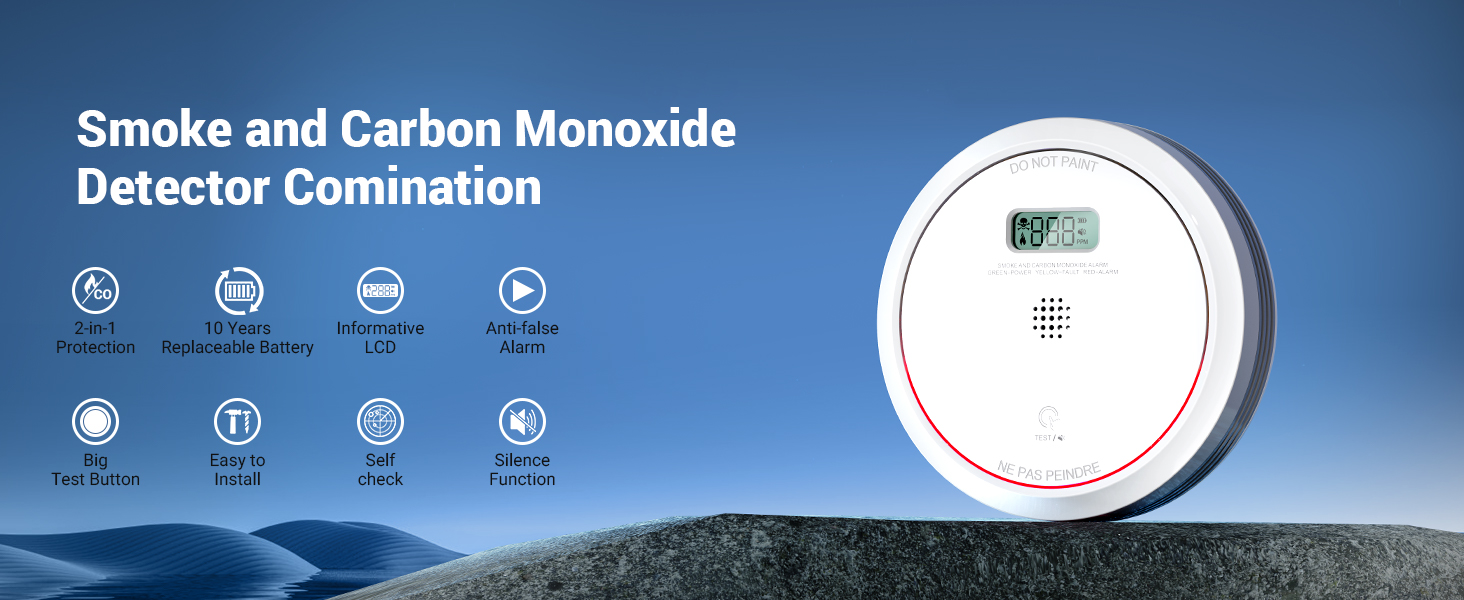
The symptoms of CO poisoning are often mistaken for the flu: headache, dizziness, nausea, fatigue. You might feel sleepy or confused. And because you’re not thinking clearly, you might not realize what's happening until it’s too late. This is why a carbon monoxide alarm isn't just a good idea; it's an absolute necessity. It’s the only way to detect this invisible menace.
Why You Need Both (Seriously!)
Here’s the crucial part: a smoke alarm and a carbon monoxide alarm are not the same thing. They detect different threats. A smoke alarm detects smoke from a fire. A CO alarm detects carbon monoxide gas. You need both. Buying a combined unit that does both is a fantastic, convenient option, but if you have separate ones, that's great too!
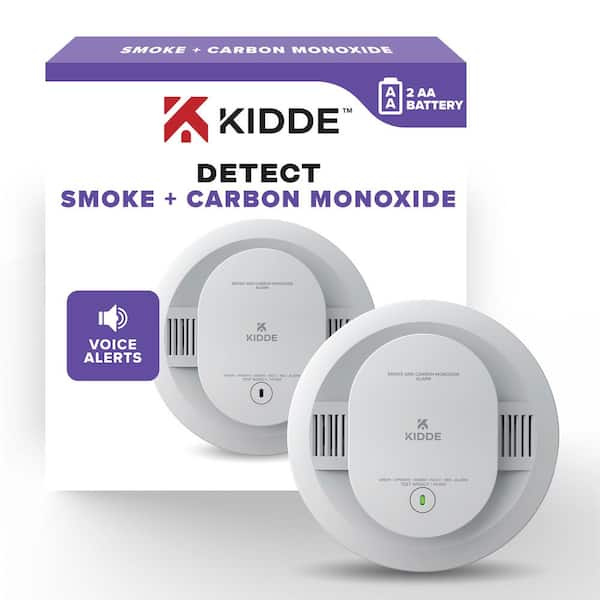
Where should they go? Smoke alarms typically go on every level of your home, inside and outside sleeping areas. CO alarms should also be on every level, especially near sleeping areas. Remember, CO travels, so having one near where you sleep is paramount. Think of them as your home's security detail, each with a specialized job.
Don't Wait, Integrate!
So, after all this talk, what’s the takeaway? Don't wait for a midnight grilled cheese mishap or, worse, for the insidious creep of carbon monoxide. Take action now. Check your alarms. Test them. Change those batteries (and if they're super old, consider replacing the whole unit – they don't last forever!). If you don't have CO alarms, make it a priority to get some.
It's such a simple, relatively inexpensive way to protect yourself and your loved ones. Peace of mind? Absolutely. But more importantly, it's about safety. These little devices might be loud or quiet, but they are both invaluable guardians in your home. Give them the attention they deserve!