Financial Statements Are Prepared Directly From The
Ever wonder where those mysterious financial statements come from? You know, the ones with all the numbers and confusing jargon that accountants seem to love? Well, buckle up, because the answer might surprise you: financial statements are prepared directly from…wait for it…transactions!
Yes, those everyday, seemingly insignificant things we do – buying a coffee, selling a widget, paying an employee – are the very lifeblood of those oh-so-important reports. Think of it like this: imagine you're baking a cake. The ingredients (flour, sugar, eggs) are like your business transactions. And the delicious cake (financial statements) is what you get after you mix and bake them according to a recipe (accounting rules).
Let's say you own a ridiculously successful lemonade stand. (We're talking Bill Gates levels of lemonade empire here). Every time someone buys a cup of your tangy goodness, that’s a transaction. You record it (or, more likely, your incredibly organized lemonade stand assistant records it). You buy lemons – transaction! You pay your assistant (who, let's be honest, deserves a raise) – transaction! These seemingly small events are all meticulously tracked.
Must Read
It’s kind of romantic, isn't it? All those individual actions, all those tiny exchanges, building up to tell a complete story of your business. It's like watching a time-lapse video of a flower blooming. You don't see much happening moment-to-moment, but over time, a beautiful picture emerges.
The Accounting Assembly Line: From Receipt to Report
Okay, so how does all this transactional magic actually happen? Well, imagine a highly organized assembly line. Each transaction is like a package that goes through different stations.
First, it gets recorded. This is where you make a note of what happened, how much it cost (or earned), and when it occurred. Think of it as the "documentation" station. Proof it happened.
Then, it gets classified. This is where you decide what kind of transaction it is. Is it a sale? An expense? Did we acquire an asset? The possibilities are endless! This is the "sorting" station, organizing the packages.
Next comes summarization. All similar transactions get grouped together. All those lemon purchases get added up. All those lemonade sales get tallied. This is the "grouping" station, bundling similar packages together.

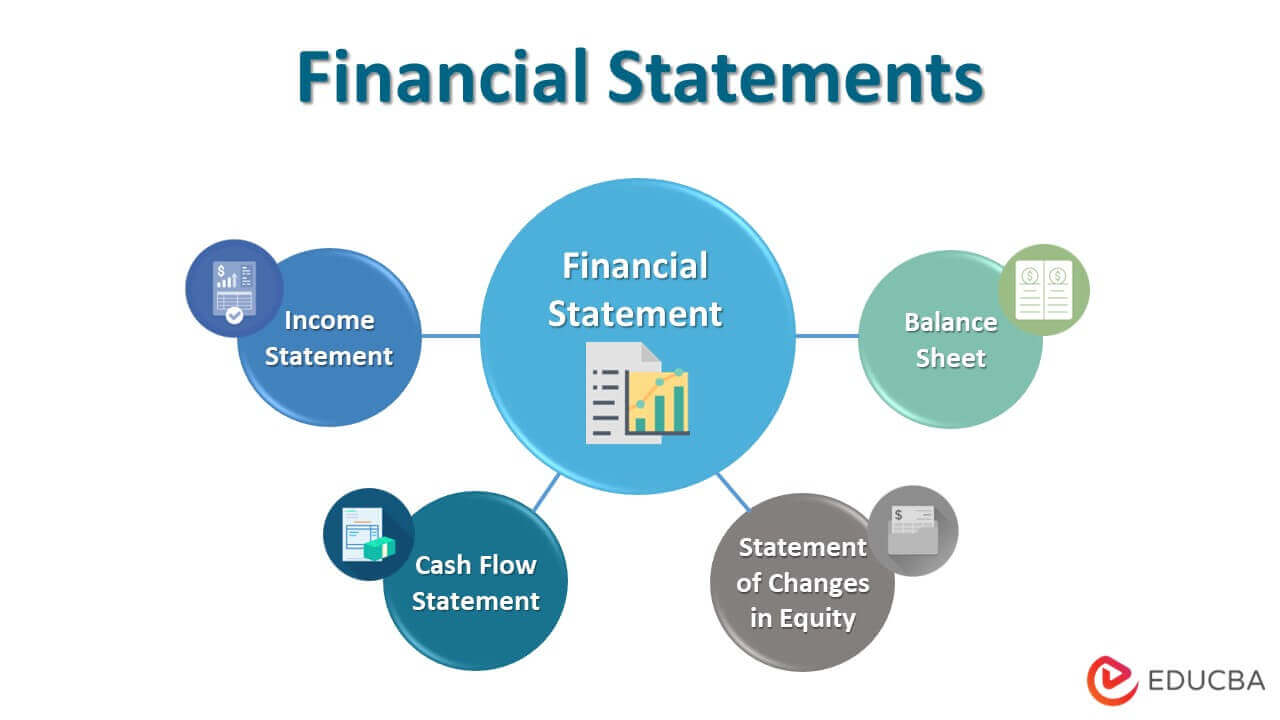
Finally, all this information is used to create those financial statements we mentioned earlier: the income statement, the balance sheet, and the statement of cash flows. Think of these as the ultimate reports, the final destination for all those transactional packages, now perfectly arranged and ready for analysis. You can get a clear picture of the profitability, financial position, and cash flow of your lemonade stand. Did we make a profit? Do we have enough cash to buy more lemons? Are we too successful (probably not!)?
Why Should You Care?
Even if you’re not an accountant (and frankly, who is, besides…well, accountants?), understanding this process can be surprisingly helpful. It lets you see that those numbers on the page aren’t just random digits. They're a reflection of real-world activities, of the daily grind and the strategic decisions that shape your business. It provides valuable insights.

So, next time you see a financial statement, don't just glaze over. Remember the humble transaction. Remember the lemonade stand. Remember that behind every number, there's a story waiting to be told. And that story, ultimately, is about you and your business.
And remember to pay your lemonade stand assistant a bonus, they clearly work hard!