Fake Drug Rehab Completion Letter

Let's be honest, talking about fake documents isn't exactly a barrel of laughs, but understanding the potential consequences of something like a fake drug rehab completion letter is surprisingly useful. It's like learning a little about how counterfeiting works – not because you want to do it, but because it helps you spot fakes and understand the risks involved. This isn't about encouraging illegal activity; it's about being informed and prepared to navigate potentially tricky situations.
So, why would someone even consider using a fake drug rehab completion letter? For beginners, maybe it's a naive attempt to avoid consequences at work or with family. They might think it's a quick fix, not fully grasping the potential fallout. For families dealing with a loved one struggling with addiction, the idea of faking a completion letter might seem appealing if they're desperate for things to go back to "normal" – maybe to regain custody of children or satisfy court orders. They might believe it's a harmless white lie to avoid further conflict, but it undermines the recovery process and can have devastating long-term effects. And for those with a more cynical bent, it could be seen as a way to game the system, bypassing genuine treatment and accountability.
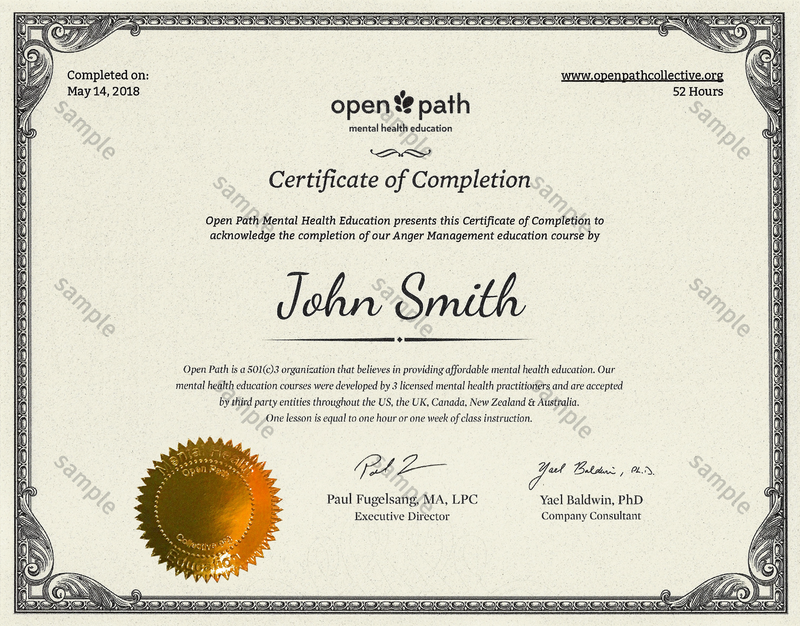
Examples of these letters vary wildly. Some are simple, generic templates downloaded from the internet, often riddled with typos and inconsistencies. Others are more elaborate, attempting to mimic the letterhead and language of legitimate treatment facilities. Variations might include claiming completion of a specific program (e.g., 30-day inpatient, intensive outpatient), specifying dates of attendance, and even including falsified signatures from therapists or counselors. Some might even try to include fabricated aftercare plans to appear more convincing.
Must Read
Now, let's be crystal clear: creating or using a fake drug rehab completion letter is generally illegal and unethical. But understanding how these things are created and used can equip you to recognize them. So, instead of thinking about making one, let's focus on practical tips for avoiding being victimized by one:
- Verify, verify, verify: If someone presents a completion letter, don't just take it at face value. Contact the treatment facility directly to confirm the information. Use the facility's official website or contact information; don't rely on numbers or email addresses provided in the letter itself.
- Look for red flags: Be suspicious of generic language, poor formatting, spelling errors, and inconsistencies in the letter. Does the letterhead look legitimate? Does the signature match the supposed therapist's name? A quick Google search of the facility and therapist can reveal inconsistencies.
- Trust your gut: If something feels off, it probably is. Don't ignore your intuition. Seek a second opinion or consult with a legal professional if you have concerns.
Ultimately, understanding the potential for fakery, even in something as sensitive as drug rehab completion, empowers you to protect yourself and your loved ones. It's not about endorsing illicit activities, but about being a more informed and discerning individual in a world where deception can lurk in unexpected places. And that knowledge, in itself, is pretty valuable.