Explain Why Organisms Need Enzymes To Survive
:max_bytes(150000):strip_icc()/what-is-enzyme-structure-and-function-375555_v4-6f22f82931824e76b1c31401230deac8.png)
Ever wondered how your body manages to do, well, everything? From digesting that delicious slice of pizza to giving you the energy to binge-watch your favorite show, it's all thanks to a fascinating bunch of tiny helpers called enzymes. They’re like the unsung heroes of your cells, and understanding them is surprisingly cool – because, spoiler alert, without them, life as we know it wouldn't exist! So, let's dive into the amazing world of enzymes and find out why organisms absolutely need them to survive.
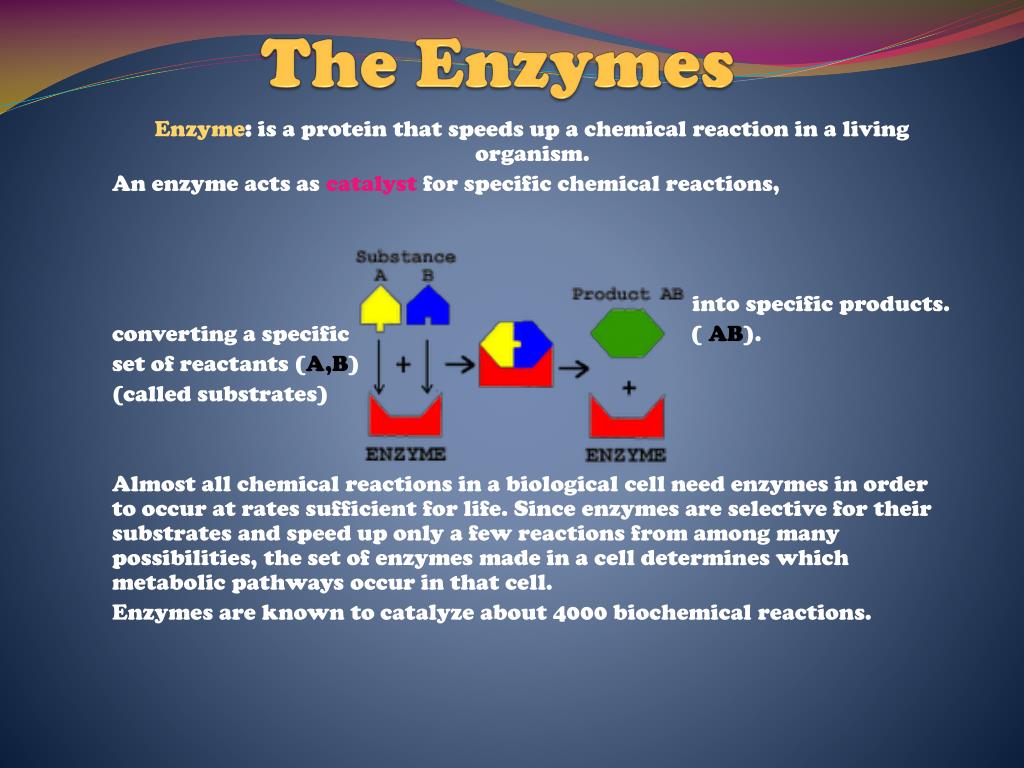
Think of your body as a complex Lego set, constantly building and breaking down structures. These processes, called metabolism, need a little nudge to happen efficiently. That's where enzymes come in! They're essentially biological catalysts, which means they speed up chemical reactions inside your body. Without enzymes, these reactions would happen way too slowly – or not at all – to keep you alive and kicking.
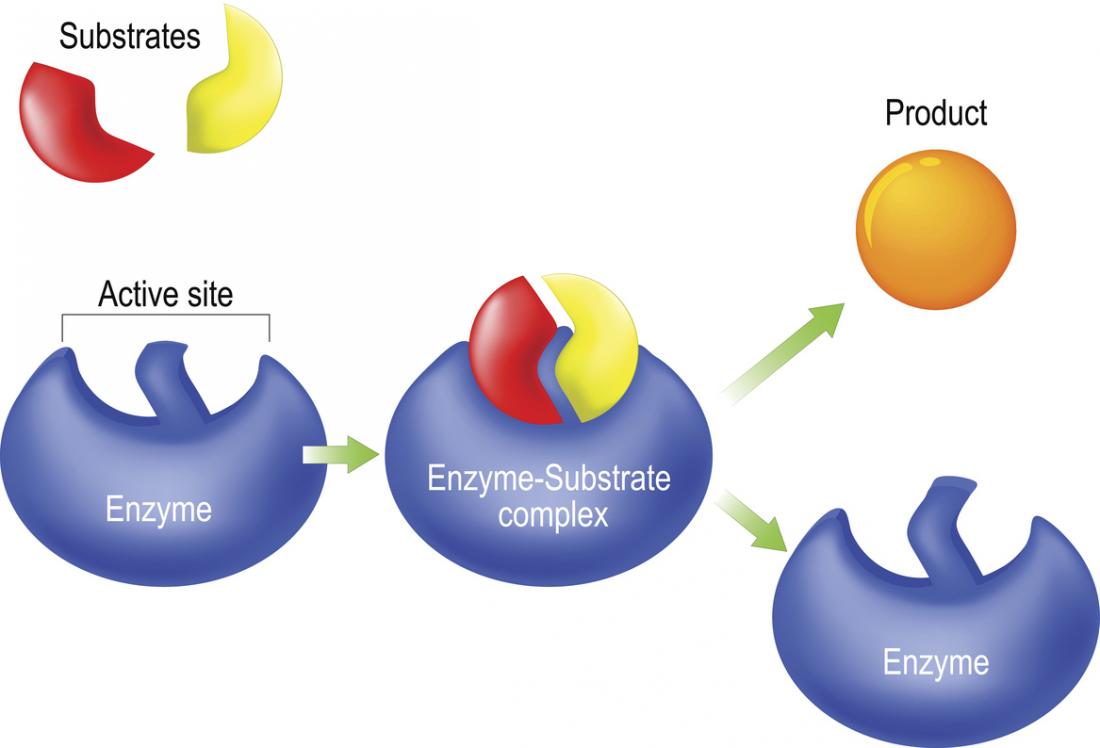
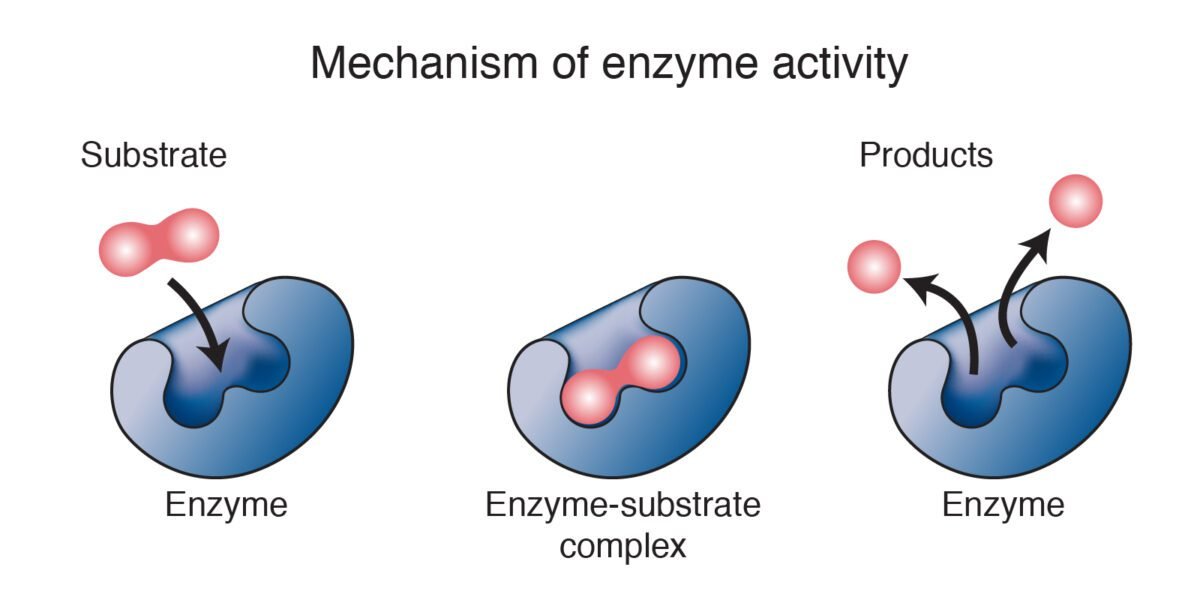
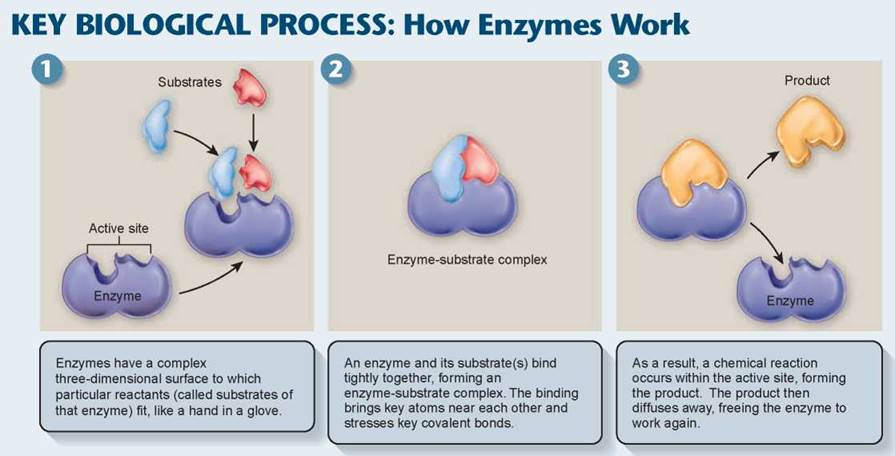
Now, imagine trying to build that Lego set without any instructions. You might get there eventually, but it would take forever! Enzymes act like the instruction manuals for your cells. They have a specific shape that perfectly fits a particular molecule, called a substrate. This fit is so precise, it’s often described as a "lock and key" mechanism. When the enzyme and substrate bind together, it lowers the activation energy needed for the reaction to occur. Think of activation energy as the "push" needed to get a reaction going. Enzymes reduce that "push," making the reaction happen much faster.
Must Read
What are the benefits of having these amazing enzyme helpers around? The list is long! First and foremost, enzymes are crucial for digestion. They break down complex carbohydrates, proteins, and fats into smaller molecules that your body can absorb and use for energy. Without digestive enzymes, you wouldn't be able to extract the nutrients you need from your food.
Enzymes also play a vital role in energy production. They help break down glucose, a type of sugar, to release energy that your cells can use to power all sorts of activities. From breathing to thinking, it's all fueled by enzyme-catalyzed reactions.
Furthermore, enzymes are essential for building and repairing tissues. They help synthesize proteins, which are the building blocks of your body. They also play a role in DNA replication and repair, ensuring that your genetic information is accurately copied and maintained. Basically, enzymes are involved in almost every single process that keeps you alive and healthy.
In short, enzymes are absolutely essential for survival. They are the unsung heroes of our cells, speeding up chemical reactions that would otherwise be too slow to sustain life. From digestion to energy production to tissue repair, enzymes are involved in countless critical processes. So, the next time you're enjoying a meal or simply breathing, remember to thank the amazing little enzymes working tirelessly behind the scenes to keep you going!