Expected Prevalence Of A Disease Is

Ever wonder how doctors and public health officials plan for outbreaks, or how insurance companies figure out your premiums? A big part of the answer lies in understanding the expected prevalence of a disease. It might sound a bit dry, but trust me, it’s a fascinating concept with real-world impact, and surprisingly useful to understand in our everyday lives.
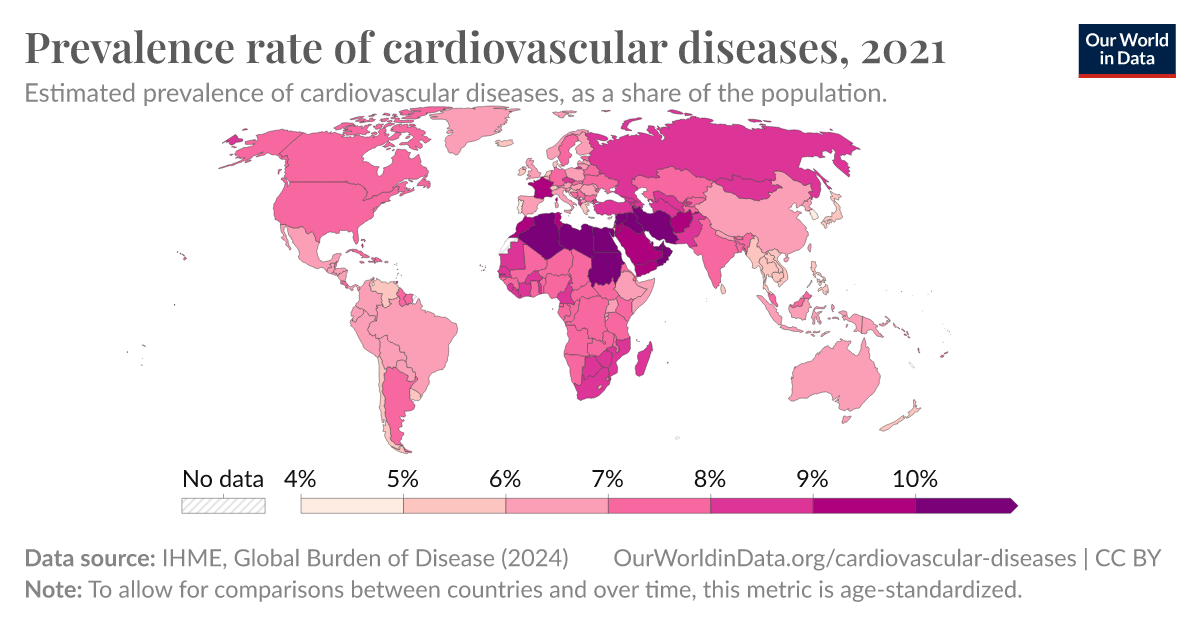
So, what exactly is expected prevalence? Simply put, it's an estimate of how common a particular disease or condition is likely to be in a specific population at a given time. Think of it as a snapshot – a prediction of how many people out of a hundred, or a thousand, or even a million, are expected to have that disease. The purpose is incredibly important. It allows us to allocate resources effectively. For example, if the expected prevalence of the flu is high in a certain area, hospitals can stock up on antiviral medications and prepare for an influx of patients. Public health campaigns can be ramped up to encourage vaccinations and good hygiene practices.
The benefits extend beyond just preparing for epidemics. Understanding expected prevalence allows for better public health planning in general. Consider childhood vaccinations. Knowing the expected prevalence of diseases like measles or mumps helps determine the appropriate level of vaccination coverage needed to maintain herd immunity and protect the most vulnerable. High prevalence rates indicate a greater need for intervention.
Must Read
But how is this relevant to you in your daily life? Well, understanding prevalence can help you make informed decisions about your own health. If you know that a certain condition is prevalent in your family history or geographic area, you might be more proactive about screening and preventative measures. For example, if you live in a region with a high prevalence of Lyme disease, you might be more diligent about checking yourself for ticks after spending time outdoors.

In education, understanding prevalence is a key component of epidemiology and public health courses. Students learn how to calculate and interpret prevalence rates, analyze trends, and use this information to develop and evaluate public health interventions. This knowledge is essential for aspiring doctors, nurses, epidemiologists, and other healthcare professionals.
Here’s a simple way to explore prevalence: Look up the prevalence rates of common conditions in your region using websites like the CDC (Centers for Disease Control and Prevention) or your local public health department’s website. Compare the prevalence rates of different diseases and try to identify potential contributing factors. For example, is there a higher prevalence of diabetes in certain communities? If so, what might be the reasons behind this disparity?

Another practical tip: When reading news articles about health issues, pay attention to the prevalence rates mentioned. This will help you put the information into perspective and understand the true scope of the problem. Don’t just panic at the headline; consider the numbers!
Understanding expected prevalence is a powerful tool for informed decision-making and proactive health management. It's not just a statistic; it's a key to unlocking a deeper understanding of the health landscape around us. So, embrace your inner epidemiologist and start exploring! You might be surprised at what you discover.