Examples Of Ethical Dilemmas In Workplace

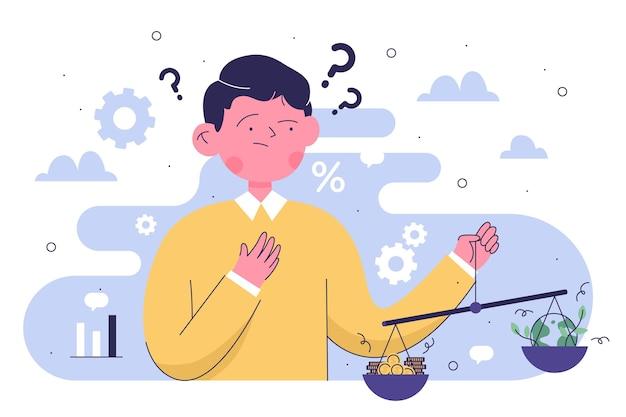
Hey there, amazing human! Ever feel like life throws you a curveball, especially at work? Well, you're not alone! Let's talk about ethical dilemmas – those tricky situations where you're torn between two (or more!) seemingly right (or wrong!) choices. Think of it as a workplace choose-your-own-adventure, but with potentially bigger consequences than just getting eaten by a grue (old school gamers, you know what I mean!).
Now, before you run screaming for the hills thinking this is going to be some dry, boring lecture, hold on! Exploring ethical dilemmas can actually be… dare I say… fun? Okay, maybe not "laughing-until-you-cry" fun, but more like "intellectually stimulating" and "makes-you-a-better-person" fun. Trust me!
The Case of the "Lost" Expense Report
Picture this: Your coworker, let's call him Bob, accidentally "loses" his restaurant receipt from a client dinner. He asks you to say you were there (even though you weren't!) so he can get reimbursed. What do you do? Do you cover for Bob, potentially bending the rules, or do you stay true to your company's policy and risk making Bob angry? This is a classic ethical dilemma! It's a clash between loyalty and honesty.
Must Read
Think about the implications! Lying for Bob might seem like a small thing, but what if everyone started doing it? Suddenly, the whole expense report system becomes a joke! Plus, what if the higher-ups find out? You could be implicated too!
The Accidental Overcharge
Okay, new scenario! You're working on a project and accidentally overcharge a client. It's a small amount, and honestly, no one might even notice. Do you quietly pocket the difference (tempting, right?) or do you fess up and correct the mistake?

Honesty is the best policy, right? But admitting the mistake might make you look incompetent, or worse, get you in trouble with your boss. This is where integrity comes in. Do you value doing the right thing, even when it's difficult? This is another common workplace ethical dilemma!
The Performance Review Favor
Your boss, who you're pretty friendly with, asks you to inflate the performance review of a less-than-stellar employee because they "need a boost." This employee isn't performing well, and giving them a good review would be unfair to your other, hardworking colleagues. Do you go along with your boss's request to keep the peace, or do you provide an honest and accurate assessment?
This is where things get sticky! This ethical dilemma tests your commitment to fairness and objectivity. Giving an undeserved positive review could demotivate your top performers and create a culture of mediocrity. It could also damage your credibility as a fair evaluator. Yikes!

The Social Media Minefield
In today's world, social media adds another layer of complexity. You see a coworker posting negative comments about the company on their personal Facebook page. It's not directly violating any policies, but it's definitely unprofessional. Do you ignore it, confront your coworker, or report it to HR?
This one's tricky because it involves personal freedom of speech versus potential harm to the company's reputation. The key here is to consider the potential consequences of each action and weigh them carefully. Is the coworker's post truly damaging, or is it just a minor venting session?
Why Bother Thinking About This Stuff?
So, why should you care about all these hypothetical situations? Because understanding ethical dilemmas can help you:
- Make better decisions: When you've thought about these situations beforehand, you're more prepared to respond thoughtfully and ethically when they actually happen.
- Build trust: Being known as an ethical person builds trust with your colleagues, clients, and boss. Trust is invaluable in the workplace!
- Create a positive work environment: When everyone is committed to ethical behavior, it creates a more positive, productive, and enjoyable work environment for everyone.
- Advance your career: Believe it or not, being ethical can actually help you get ahead! Companies value employees who are trustworthy and have integrity.
Ethical decision-making isn't always easy, but it's always worth it. By considering these dilemmas and thinking about your values, you can become a more ethical and effective professional. You'll not only navigate the workplace with greater confidence but also contribute to a more just and equitable world.
So, go forth and explore the fascinating world of ethics! There are tons of resources available online, in libraries, and even within your own company. Dive in, learn, and become an ethical superhero! You've got this!