Essential Bhagavad Gita Slokas Iskcon

Okay, let's talk about something that might sound intimidating but is actually super cool and useful: essential Bhagavad Gita slokas, as understood through the lens of ISKCON (the International Society for Krishna Consciousness). Think of it like this: the Gita is a vast ocean of wisdom, and we're just picking out a few shiny, easily accessible shells to admire. It’s about finding inspiration and practical guidance for everyday life, not becoming a Sanskrit scholar overnight!
Why is this fun and useful? Well, the Bhagavad Gita, at its core, is a conversation about navigating life's challenges. And ISKCON makes it relatable and understandable. It offers a practical framework for applying these ancient teachings to modern life. Whether you're a beginner curious about spirituality, a family seeking values to share, or simply a hobbyist interested in philosophy, there's something here for you.
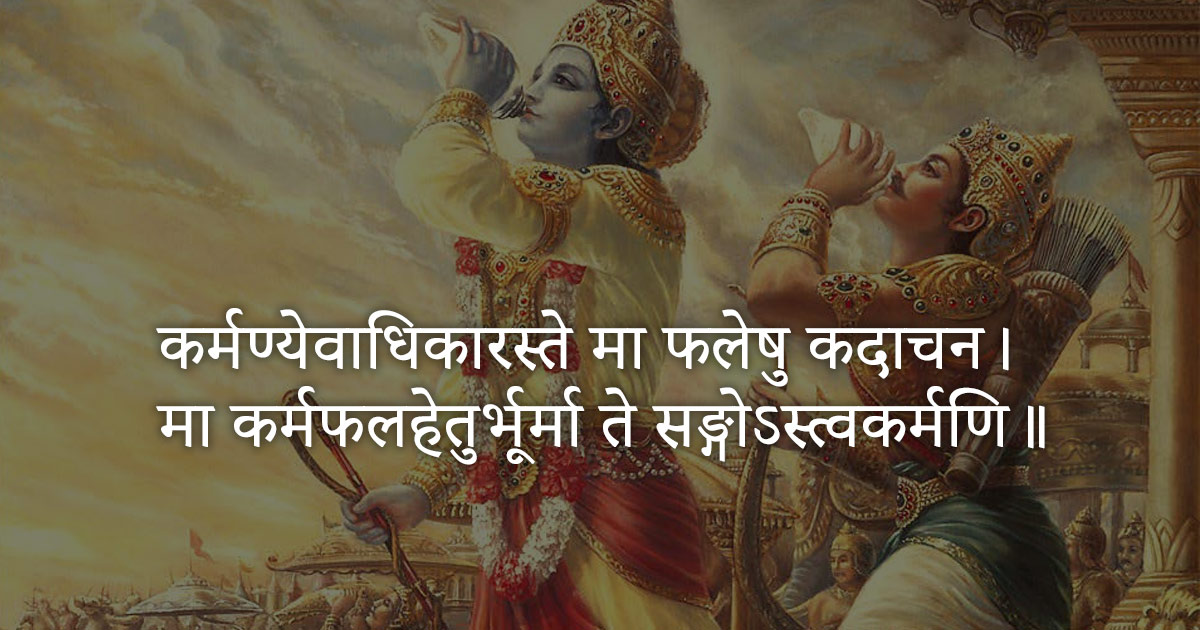
For beginners, focusing on a few key slokas can be a great entry point. For example, "karmaṇy-evādhikāras te mā phaleṣu kadācana, mā karma-phala-hetur bhūr mā te saṅgo 'stv akarmaṇi" (2.47) which essentially means: you have a right to perform your prescribed duty, but you are not entitled to the fruits of action. Never consider yourself the cause of the results of your activities, and never be attached to not doing your duty. It's a reminder to focus on the effort, not just the outcome. ISKCON teachers often emphasize this sloka as a key to reducing stress and anxiety. They might suggest applying this by focusing on doing your best at work or school, without obsessing over grades or promotions.
Must Read
For families, slokas that emphasize compassion and devotion can be particularly valuable. Consider verses that speak about the importance of seeing the divine in everyone and everything. ISKCON promotes kirtan (devotional chanting) as a family activity, often singing mantras based on the Gita, making it a joyful and engaging experience for all ages.
For hobbyists interested in philosophy or self-improvement, diving deeper into the meaning and context of selected slokas can be incredibly rewarding. ISKCON provides extensive commentaries and resources, helping to unravel the philosophical nuances and practical applications. For example, consider slokas related to the three modes of material nature (sattva, rajas, and tamas). Understanding these modes can offer insights into your own behavior and motivations, and help you make more conscious choices.
So, how do you get started? It's easier than you think! First, find a reliable translation of the Bhagavad Gita, preferably one that includes commentary by ISKCON founder A.C. Bhaktivedanta Swami Prabhupada. Then, pick one or two slokas that resonate with you. Don’t try to understand everything at once. Read them slowly, reflect on their meaning, and try to apply them to your daily life. You can also find many online resources and ISKCON centers that offer classes and discussions on the Bhagavad Gita. Another tip: Listen to lectures or kirtans related to the Gita. Hearing the verses recited or sung can help you memorize them and internalize their message.
The beauty of exploring essential Bhagavad Gita slokas through the ISKCON perspective is that it provides a framework for living a more meaningful and fulfilling life. It’s about finding practical wisdom in ancient texts and applying it to your own unique journey. So, go ahead, pick a sloka, and see where it takes you. You might be surprised by the depth of understanding and peace you find!