Electricity Service Provider By Address
Ever moved? I mean, really moved? Not just across town, but maybe to a whole new city or even state? You know the drill: boxes everywhere, questionable takeout for a week, and then the inevitable dive into setting up utilities. Phone, internet (definitely internet first, right?), water, gas, and then… electricity. This is where things can get a little… hazy.
I remember one time, fresh off a cross-country move, I was trying to get the lights on. Called Company A, they said, "Nope, not us." Called Company B, they redirected me. Company C finally admitted they might serve my area, but sounded less than enthusiastic. It felt like playing a very low-stakes, highly frustrating game of utility roulette. And I just wanted to charge my phone, honestly.
The Great Unveiling: It's All About Your Address!
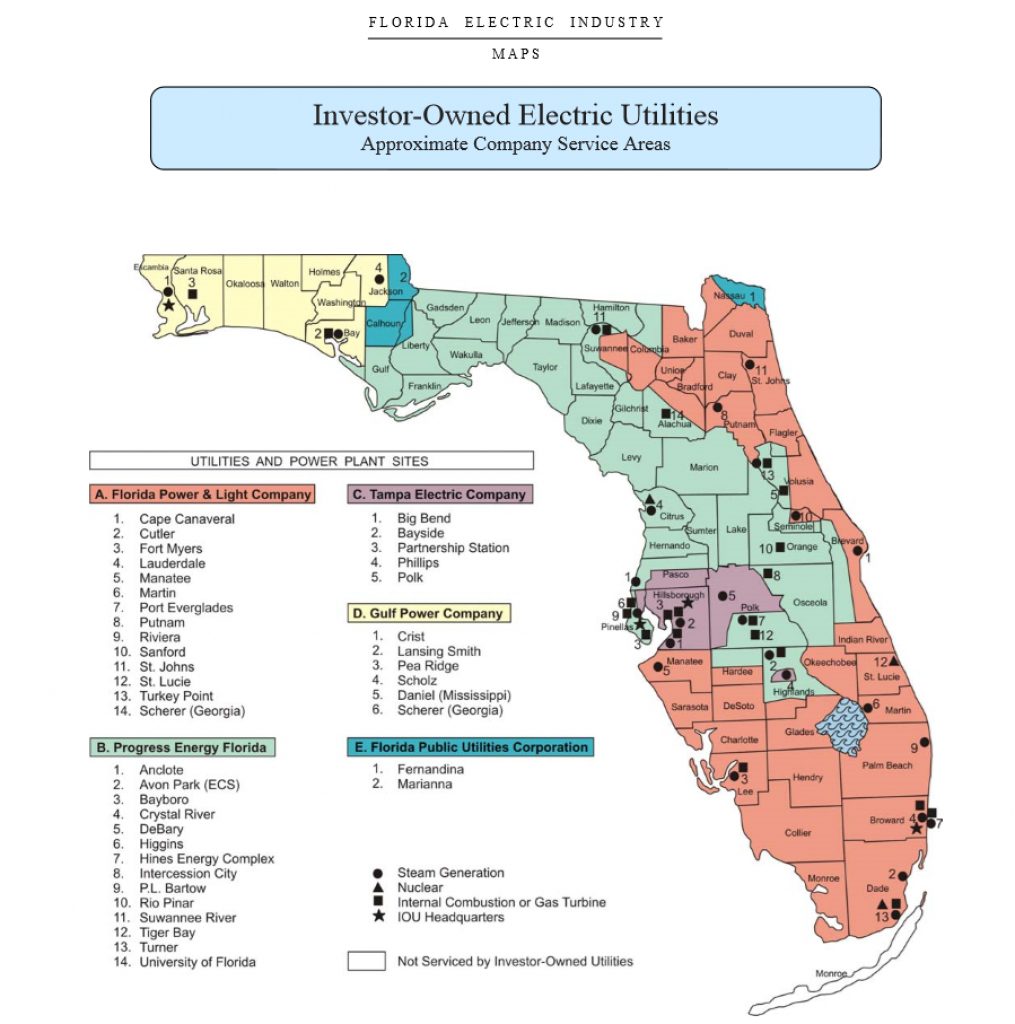
Here’s the kicker, and the big secret many of us just kinda stumble upon: your electricity service provider isn't something you get to pick from a fancy menu like your streaming services. Oh no, my friend. For the most part, it's predetermined by your address. Yep, your humble abode dictates who's sending those electron vibes your way.
Must Read
Think about it. We often talk about "the power company" as if there's just one big omnipresent entity. But in reality, electricity grids are complex beasts. They're built, maintained, and operated by specific companies that have a monopoly over a certain geographical region. These are often called utility companies or distribution companies. They own the power lines, the poles, the transformers—all the physical stuff that brings electricity from the power plant to your light switch.
So, when you move to a new place, you’re essentially moving into a service territory already claimed by one of these giants. You can't just ring up a competitor and ask them to run a whole new set of wires to your house. That would be… well, a logistical nightmare, and probably not great for the environment either!
Why Can't I Just Pick My Favorite Electricity Brand?
Good question! In some regions, there's a thing called deregulation. This is where the distribution of electricity (the wires and poles part) is still handled by one specific utility company, but you can choose a different company to be your retail electricity provider. These retailers buy electricity in bulk and then sell it to you, sometimes offering different rates, plans, or even renewable energy options. It’s like how you might have one phone company providing the network, but several different mobile virtual network operators (MVNOs) selling you plans on that network.
However, even in deregulated markets, it’s still fundamentally tied to your address. The choice you have is among the retailers who operate in that specific utility's service area. You can't just pick a retailer that doesn't have an agreement with the local distribution company.
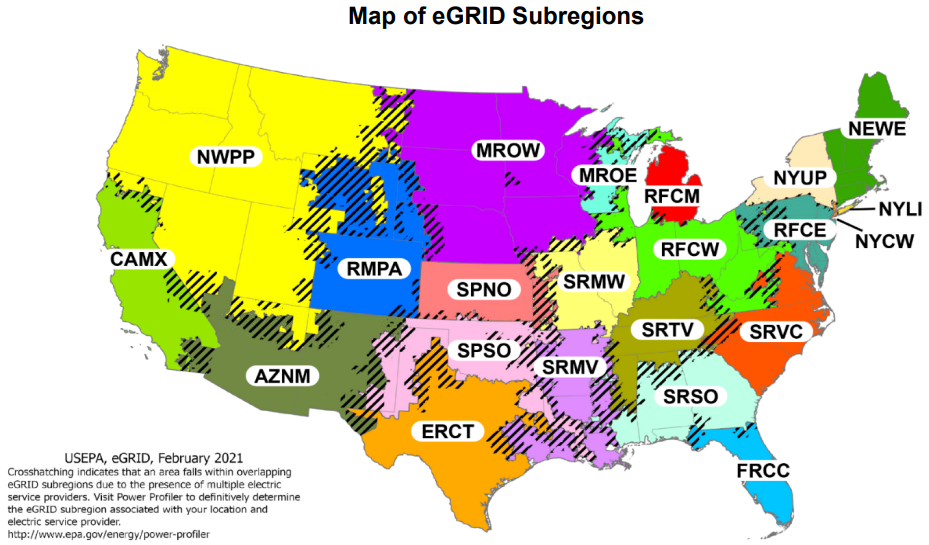
In many other places, there's no deregulation. You get who you get. It's a monopoly, pure and simple. And before you get all up in arms, there are reasons for this—mostly about efficiency and infrastructure costs. Imagine if every street had five different sets of power lines from five different companies. Chaos! And probably not cheaper, despite what your competitive spirit might suggest.
So, How Do You Figure This Out?
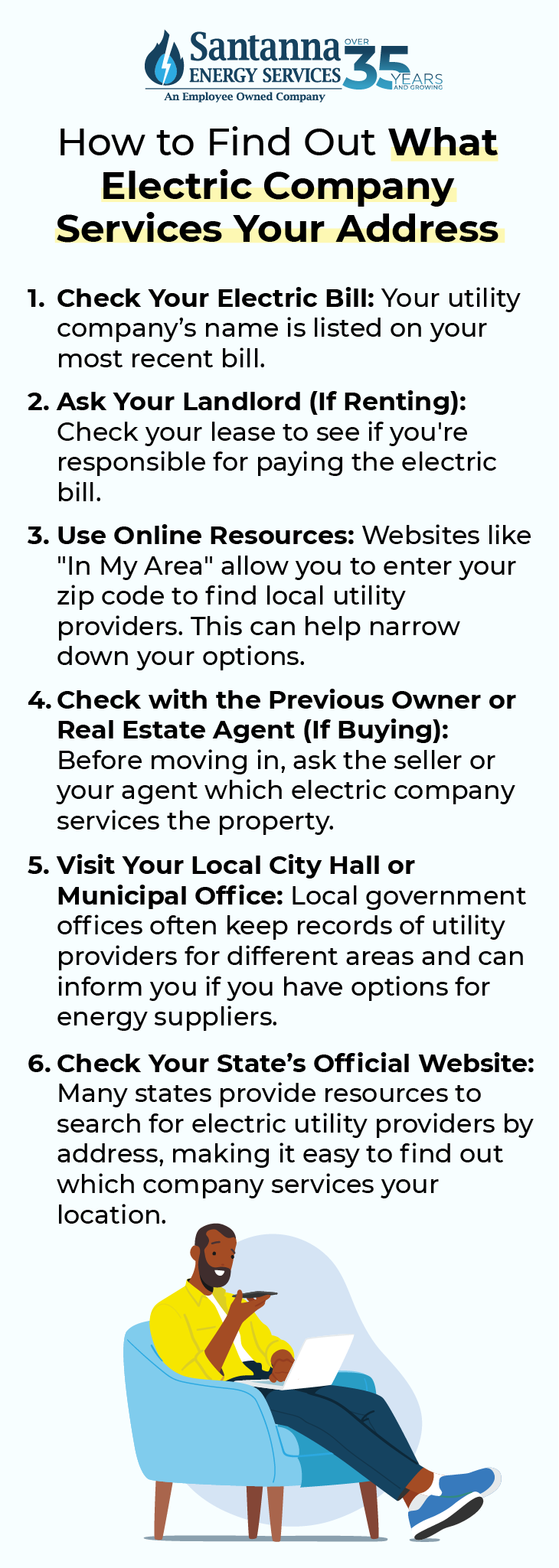
Alright, enough with the why, let's get to the how. When you're moving, or if you're just curious (because curiosity is good!), finding out your electricity service provider by address is usually pretty straightforward:
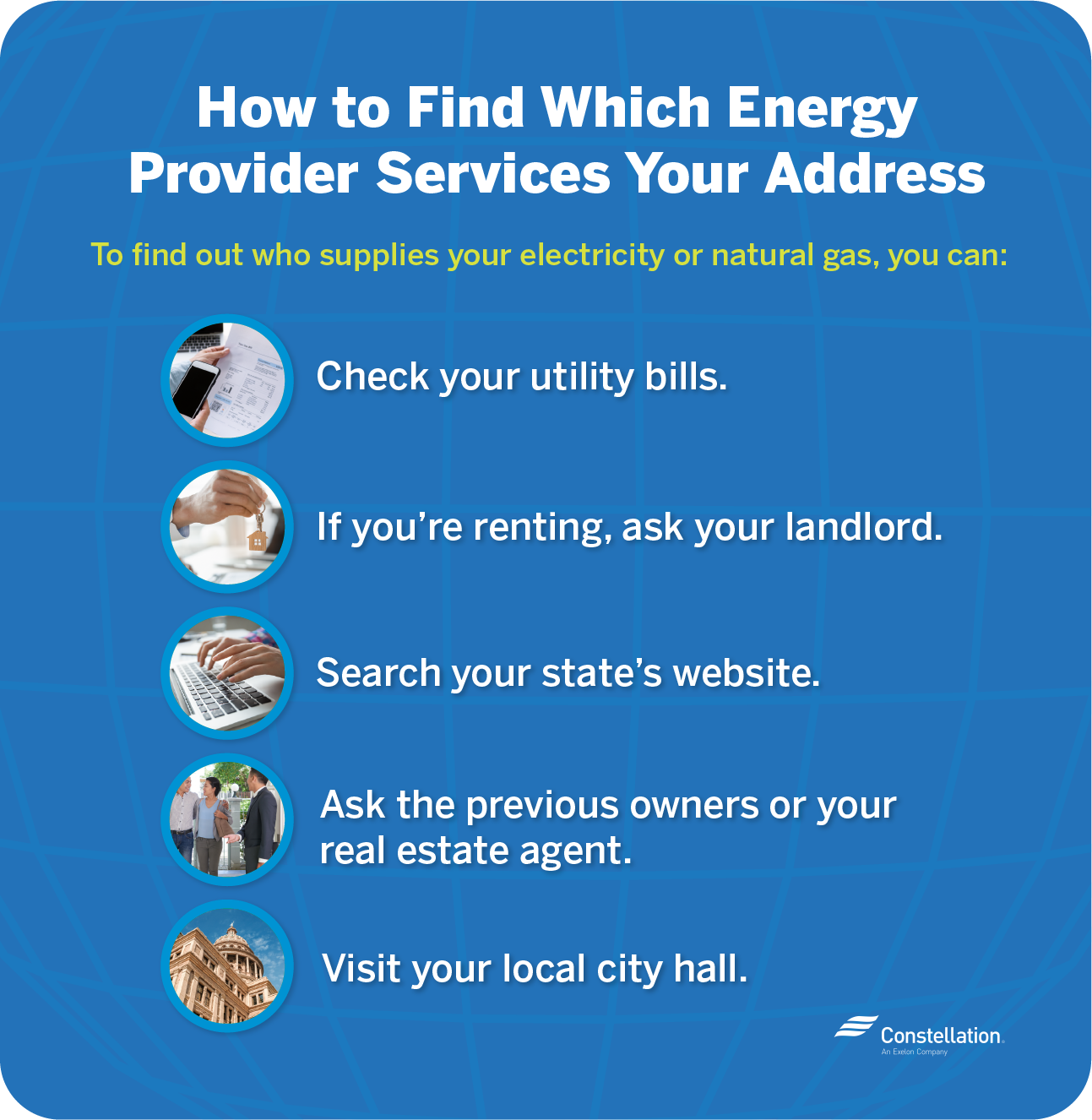
- Ask the Landlord/Realtor: If you're renting, your landlord or property manager will know. If you're buying, your real estate agent is your go-to. They've done this a million times.
- Check Previous Bills: If you're already living there, just grab an old electricity bill. Voila!
- Online Search: A quick Google search for "electricity provider [your city/zip code]" often yields the answer. Many utility companies have "service area lookup" tools on their websites where you just punch in your address.
- Ask a Neighbor: If all else fails, pop next door! Your neighbors are on the same grid as you, so they'll know exactly who to call.
Beyond Just Knowing Who They Are
Once you know who your provider is, don't just passively accept it. Even if you don't have a choice of provider, you might still have a choice of plans. Look into things like time-of-use rates, fixed-rate vs. variable-rate plans, or green energy options if they're available. Understanding your bill and consumption habits can still empower you to manage your energy usage and, hopefully, save a few bucks.
It might not be the most exciting part of setting up your new life, but understanding how your electricity service works – and why it's tied to your address – demystifies a pretty fundamental piece of modern living. And who knows, maybe next time you move, you won't have to play that utility roulette game. You'll be a pro!