
Economic Value Creation Is Best Expressed As
Ever feel like you're running on a hamster wheel, working hard but not quite getting ahead? Or maybe you're a business owner constantly tweaking strategies, hoping to unlock that next level of success. In either case, understanding economic value creation is key. But what exactly is it, and how do we measure it?
Decoding the Economic Equation
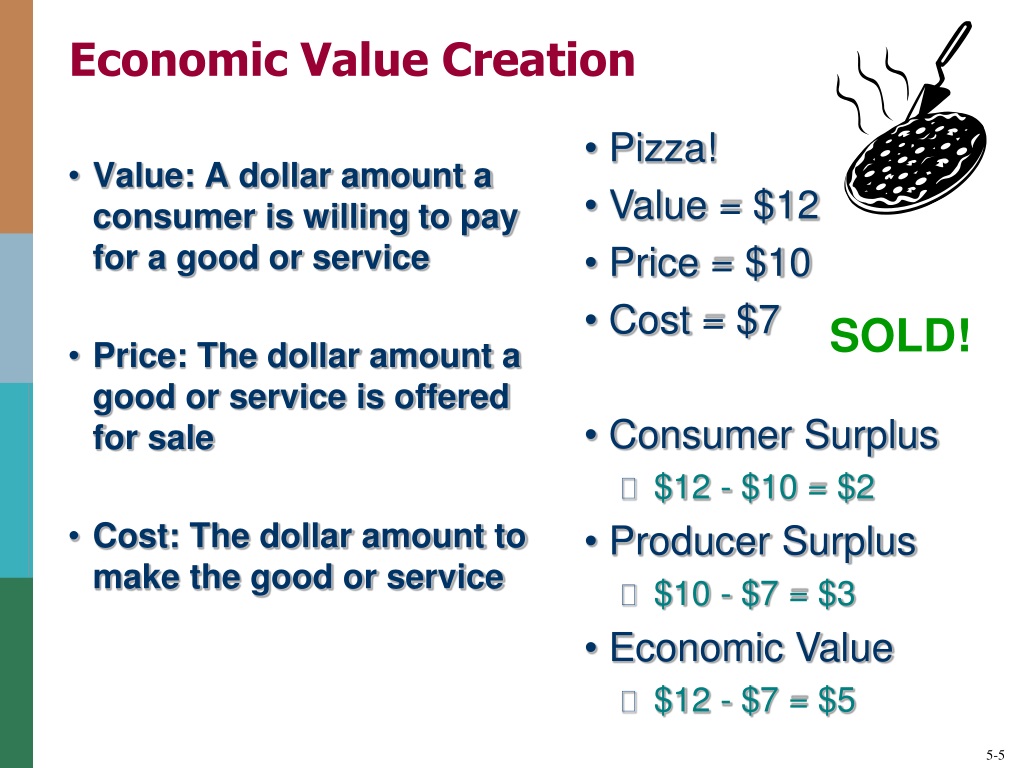
The most straightforward way to express economic value creation is this: Benefit – Cost = Economic Value Created. Simple, right? But let's unpack it.
Think of it like ordering your favorite artisanal coffee. The benefit is the delicious, caffeinated boost that helps you conquer your to-do list. The cost is the price you paid for the coffee. The economic value created is the difference – the intangible feeling of satisfaction and productivity you gain above and beyond the mere monetary cost.
Must Read
For a company, "benefit" translates into the price customers are willing to pay for a product or service. This isn't just about the sticker price; it's about perceived worth. Think Apple. People often pay a premium for their products, not just because of the technology but also because of the brand image and user experience.
On the other side of the equation, "cost" represents the total expenses incurred in producing and delivering that product or service. This includes everything from raw materials and labor to marketing and distribution.

Why This Matters (and How to Use It)
Understanding economic value creation helps you make better decisions, whether you're a consumer, an employee, or an entrepreneur.
Practical Tip #1: The Latte Factor. This classic concept popularized by David Bach highlights the small, seemingly insignificant costs that add up over time. Analyze your spending. Are you paying too much for convenience? Could you find a similar benefit at a lower cost? Maybe brewing your own coffee at home (gasp!) is a game-changer.
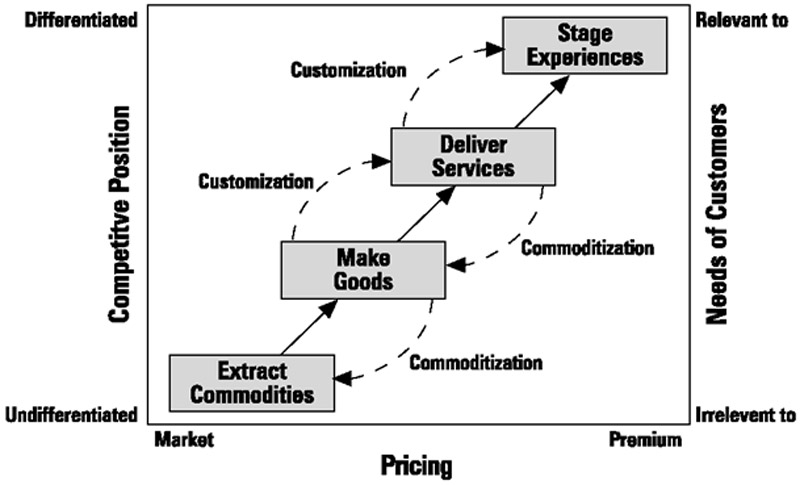
For Businesses: Focus on Differentiation. In today's competitive market, offering the lowest price isn't always the winning strategy. Instead, strive to create products or services that offer unique value, justifying a higher price point. Think Tesla, which commands a premium price due to its innovative technology and eco-friendly appeal.
Practical Tip #2: The Value Proposition Canvas. This tool helps you map out your customer's needs and pains and align your product or service to address them effectively. Understanding your customer's "jobs to be done" is crucial for maximizing perceived value.
Beyond the Bottom Line: Intangible Value
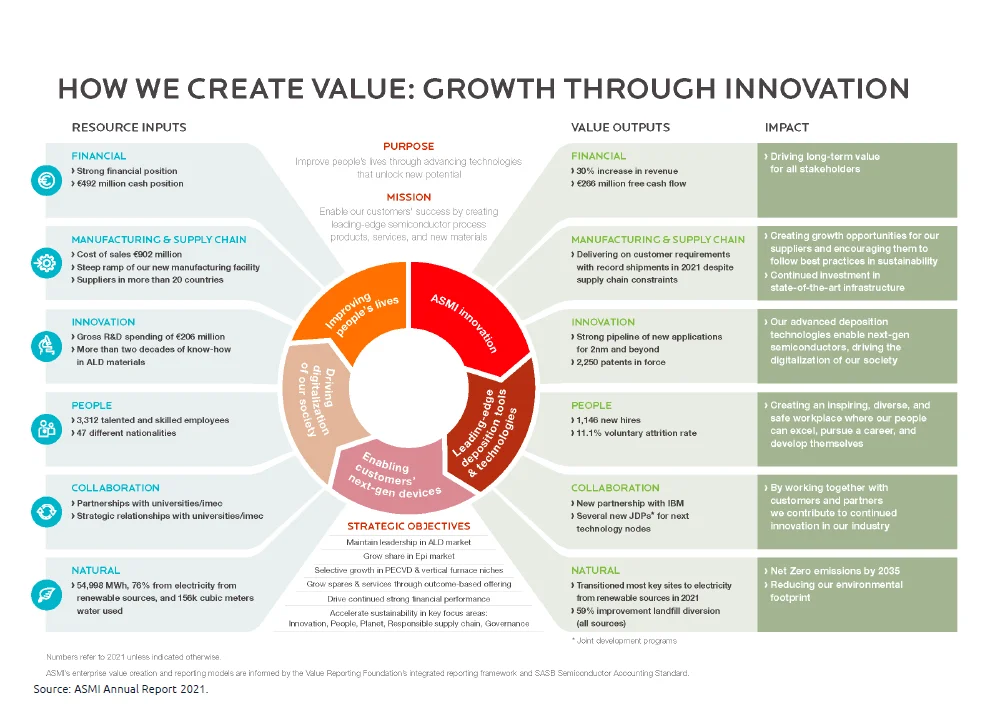
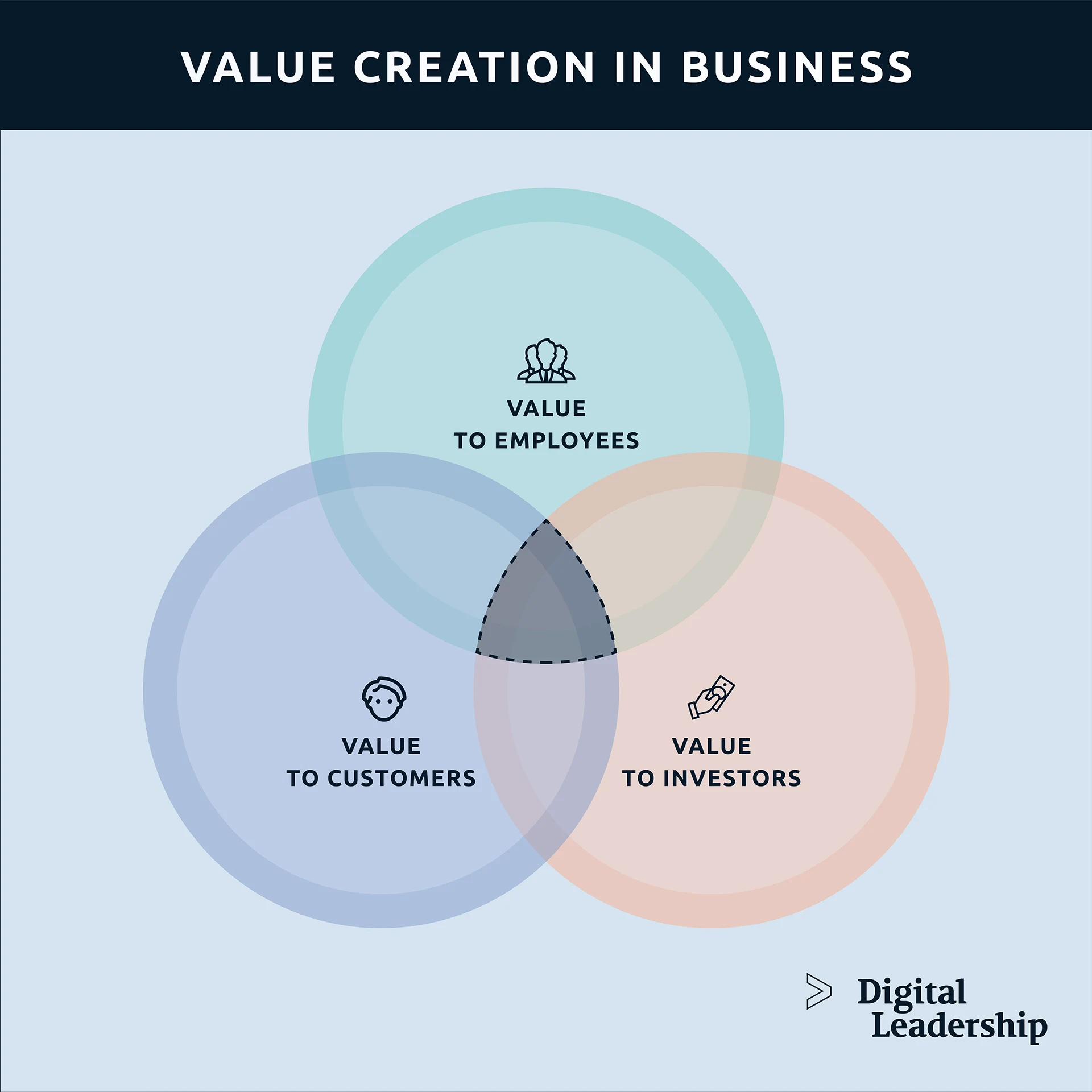
While the equation focuses on quantifiable benefits and costs, it's important to remember the intangible elements that contribute to perceived value. This includes brand reputation, customer service, social impact, and even the emotional connection customers feel with a product or service.
Take Patagonia, for instance. They've built a strong brand around environmental sustainability, attracting customers who are willing to pay more for ethically produced outdoor gear. This intangible value reinforces their competitive advantage.
Fun Fact: Did you know that the perceived value of a product can be influenced by something as simple as the font used on the packaging? Studies have shown that certain fonts can evoke feelings of luxury, while others can convey affordability.
Boosting Value: A Three-Step Action Plan
- Identify Needs: Pinpoint unmet needs or areas where you can offer a superior solution.
- Innovate Strategically: Focus on improvements or new features that directly address these needs.
- Communicate Effectively: Clearly articulate the value you're offering to your target audience.
Economic Value in Everyday Life
Economic value creation isn't just a business concept; it's a fundamental principle that applies to all aspects of life. From choosing which job offer to accept to deciding how to spend your free time, you're constantly weighing benefits and costs to maximize your personal "return on investment."
Understanding this concept can empower you to make more informed decisions, prioritize your resources effectively, and ultimately lead a more fulfilling life. It's about recognizing that value isn't just about money; it's about the overall experience and the impact it has on your well-being.