Dual Sensor Smoke And Carbon Monoxide Alarm

Ever paused to think about the unsung heroes keeping our homes safe? We often talk about smart thermostats and doorbell cameras, but there's a quieter, perhaps even more crucial, piece of tech working diligently behind the scenes. We're talking about the often-overlooked, yet utterly fascinating, Dual Sensor Smoke and Carbon Monoxide Alarm. It might sound like a mouthful, but understanding these clever gadgets is actually quite empowering, giving you a deeper appreciation for the unseen guardians in your living space.
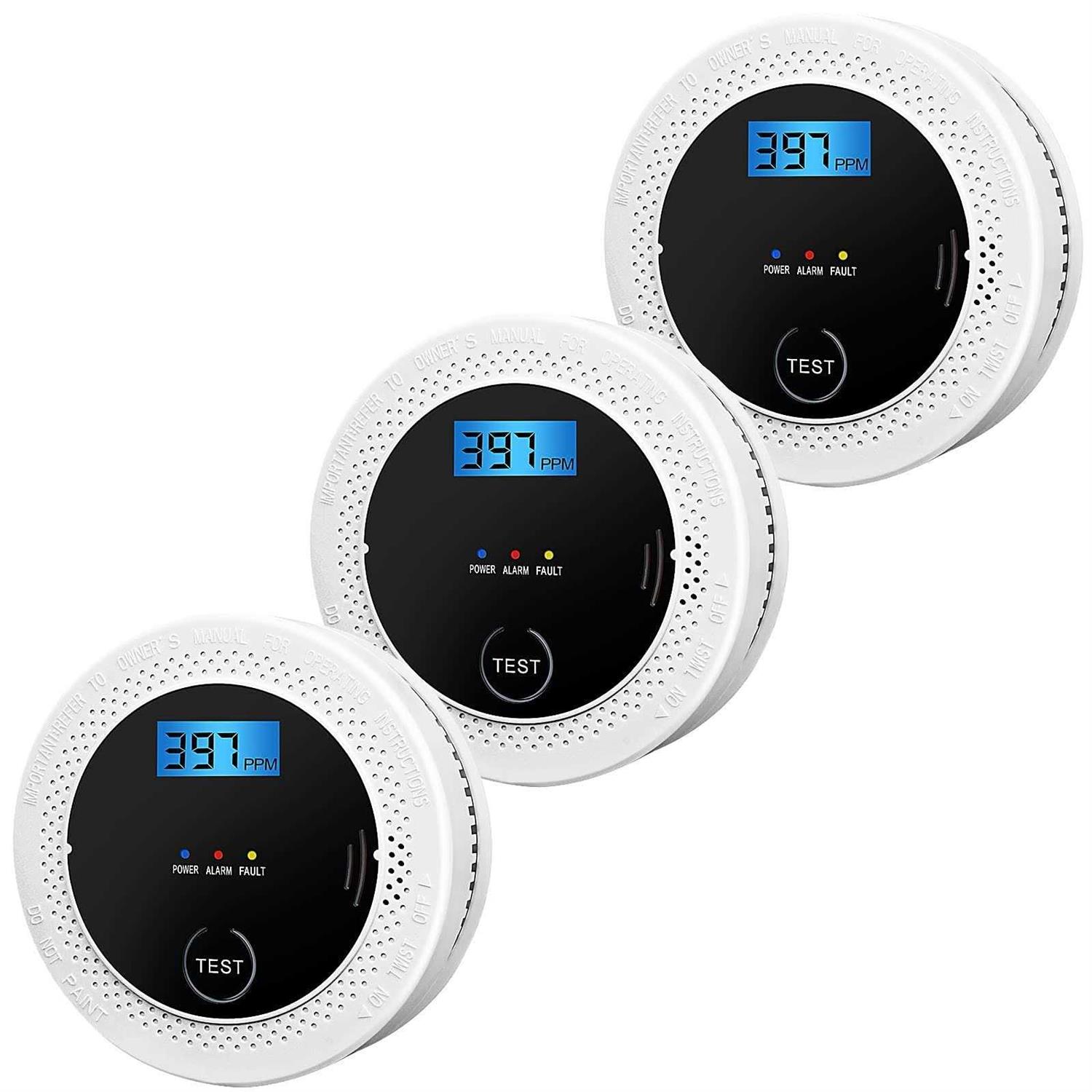
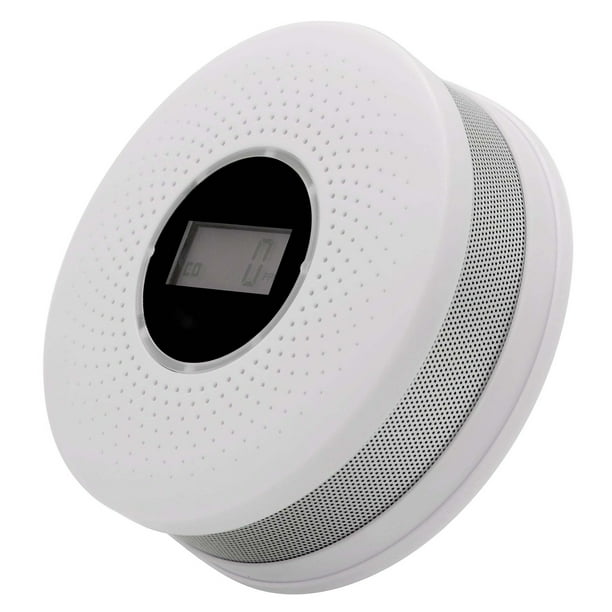
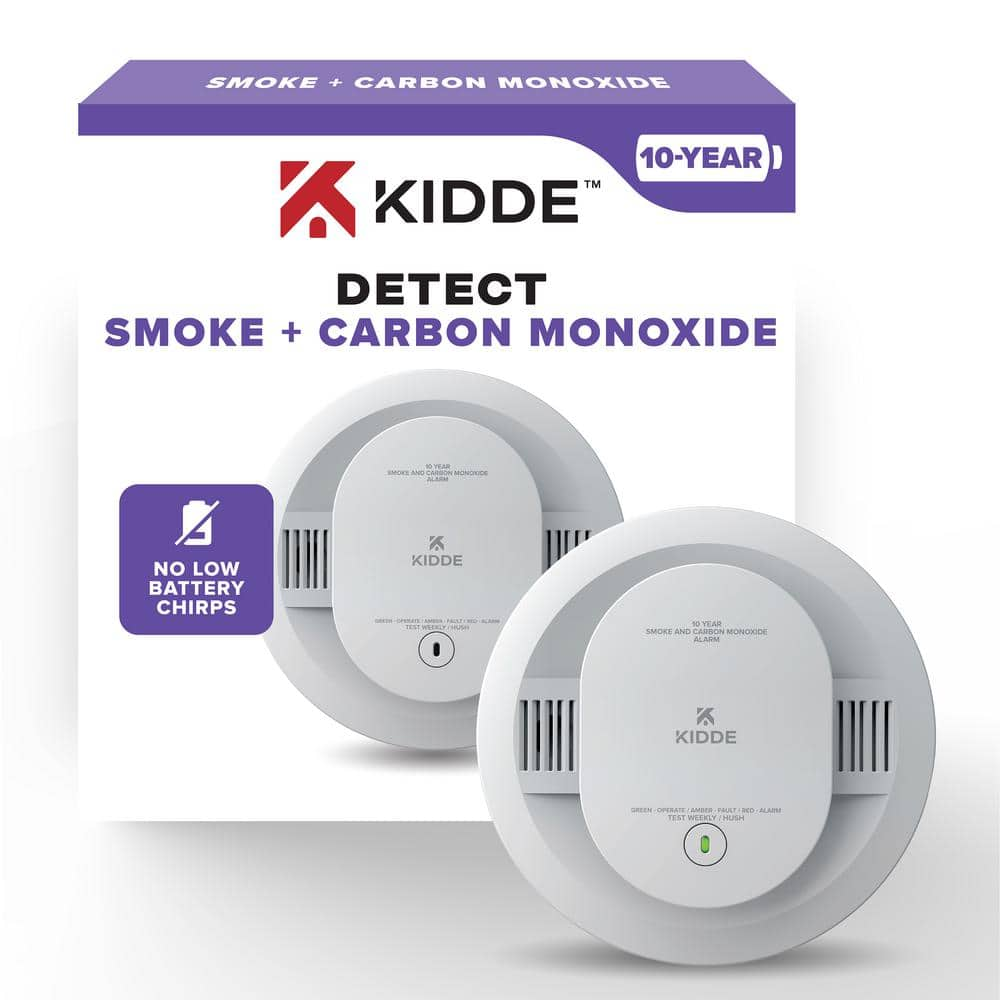
So, what exactly is this marvel? Imagine a single device that acts as a vigilant watchdog against two very different, yet equally dangerous, household threats: fire and carbon monoxide. Its primary purpose is simple yet profound: to give you and your loved ones early warning. Traditional alarms tackle one or the other, but a dual sensor unit brings comprehensive protection into one sleek package. This means fewer devices cluttering your walls and, importantly, less confusion about what’s sounding the alarm.
The benefits are clear: you get double the protection with half the fuss. Carbon monoxide, often dubbed the "silent killer," is an odorless, colorless, and tasteless gas produced by fuel-burning appliances like furnaces, water heaters, and even gas stoves. It can build up undetected, leading to serious health issues or worse. Smoke, of course, comes in various forms – from the thick, black plumes of a fast-flaming fire to the wispy, often slower-spreading smoke from smoldering upholstery. A dual sensor alarm is engineered to detect both, often using different technologies internally to be sensitive to different types of smoke, alongside its dedicated CO sensor. This integrated approach ensures a more holistic safety net, giving you precious time to react and evacuate.
Must Read
You’ll find these invaluable guardians in almost every modern home. In daily life, they're typically installed on every level of your house, especially near sleeping areas and in hallways, silently monitoring the air. Picture one quietly standing guard near your furnace, or another discreetly mounted in your bedroom, offering peace of mind as you sleep. For educational purposes, they serve as a fantastic real-world example of sensor technology and the importance of layered safety systems. Understanding how they detect different particles and gases can even spark curiosity about basic chemistry and physics!
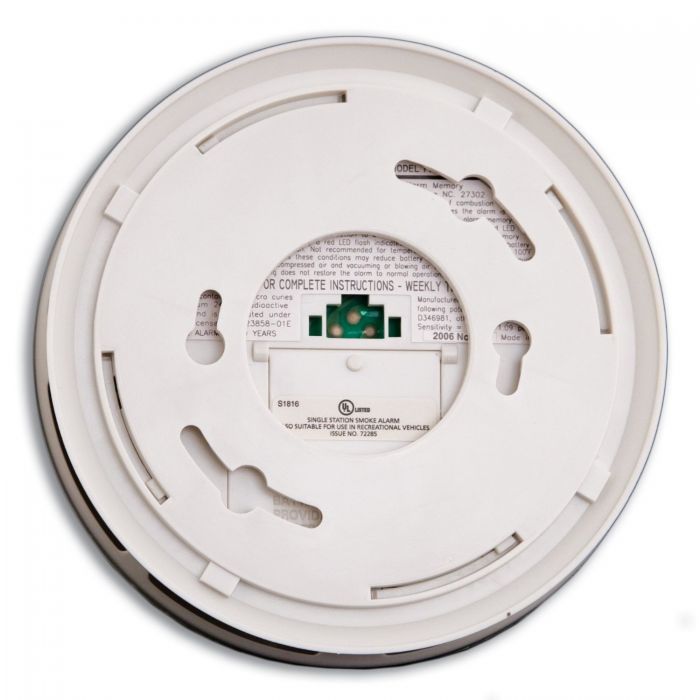
Ready to explore this further? It's wonderfully simple! First, take a moment to locate the alarms in your own home. Do you have separate smoke and CO alarms, or are they integrated dual units? Press the "test" button on each – do you know the distinct sound for smoke versus carbon monoxide alerts? This is crucial to distinguish between a cooking mishap and a potentially deadly gas leak. Make a habit of testing them monthly. Also, check the manufacturing date; alarms don't last forever and typically need replacing every 7-10 years. Reading the manual for your specific model can uncover hidden features or specific placement recommendations. A little curiosity about these everyday heroes can go a long way in keeping your sanctuary truly safe and sound!