
Dry Powder Fire Extinguisher Used For
Okay, picture this: It was a beautiful summer evening, barbecue sizzling, good tunes playing, and then... whoosh! A rogue flame, fueled by a sneaky drip of fat, decided to put on its own little fireworks show right under the grill. My heart did that panicked little flutter-skip thing, you know? The one where your brain goes, "Uh oh, this is getting out of hand real fast!"
Luckily, a bucket of sand (don't ask, long story involving kids and a sandbox) was close by, and disaster was averted. But for a good few seconds there, I was absolutely convinced I was about to set my entire backyard ablaze. And in that moment, all I could think was, "Man, I really should know what fire extinguisher to grab if this ever happens for real!"
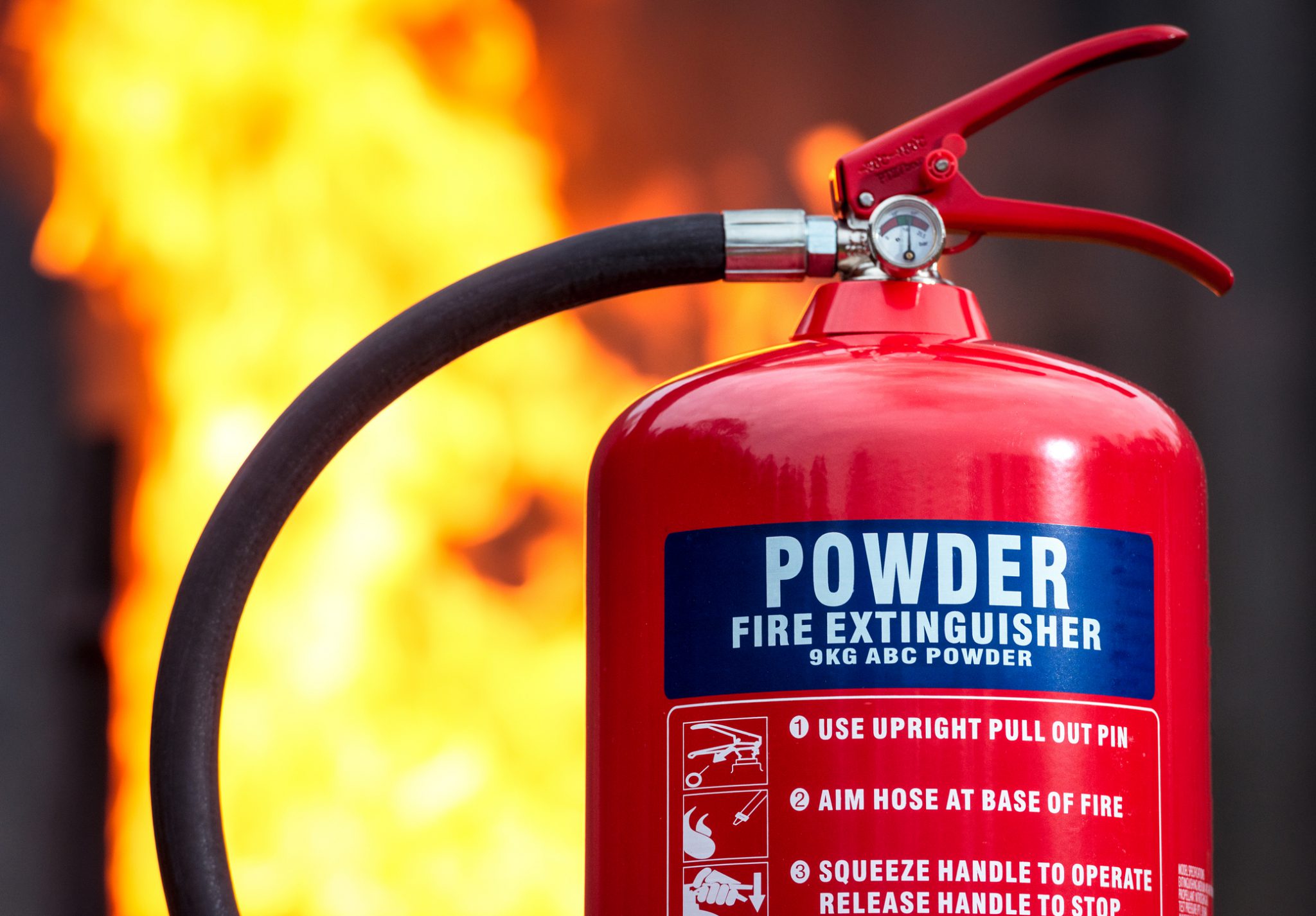
Which, my friends, brings us to today's topic: the dry powder fire extinguisher. That bright red cylinder you often see lurking in corridors or garages, looking all stoic and ready for action. Ever wondered what it's actually for? Or, more importantly, when it's your absolute best buddy?
Must Read
So, What's the Magic Powder For?
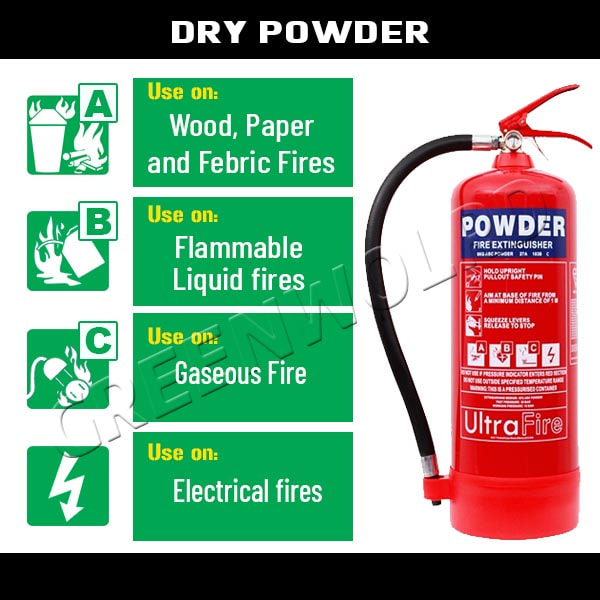
Let's dive right in, shall we? Because this particular extinguisher is a bit of a superhero in the fire-fighting world. It's known for its incredible versatility, tackling a wider range of fires than almost any other type. We're talking about the multi-purpose kind, usually labelled ABC or even ABE.
Here’s the rundown of its main targets, so you can sound super smart at your next pub quiz:

Class A Fires: The Everyday Stuff
Think ordinary combustibles like wood, paper, fabrics, and plastics. You know, if your overflowing recycling bin suddenly decided to catch fire (hopefully not!), a dry powder extinguisher is your go-to. It basically smothers the flames and cuts off the oxygen supply. Simple, yet effective.
Class B Fires: The Flammable Liquids

This is where things get a bit more dramatic. We're talking about fires involving flammable liquids like petrol, oil, paints, solvents, and even cooking oils (though we'll get back to that in a sec). Your dry powder extinguisher is fantastic here, forming a barrier between the fuel and the oxygen, stopping the chain reaction. If you've got a garage with fuel stored, you definitely want one of these.
Class C Fires: The Gassy Guys
Ever worried about a gas leak catching fire? (Deep breaths, folks, let's not manifest that!) Fires involving flammable gases like propane, butane, and natural gas are handled brilliantly by dry powder. The powder interferes with the chemical reaction of the fire, putting it out swiftly. Crucial tip: Always try to turn off the gas supply first if it's safe to do so!
Class E Fires: The Electrical Zap!
Okay, here’s a big one. For fires involving electrical equipment – think computers, stereos, overloaded extension cords, or sparking appliances – dry powder is your knight in shining armour. It's non-conductive, meaning it won't electrocute you or make the problem worse, which is, you know, pretty important when electricity is involved. Don't even think about using water here, unless you fancy becoming part of the circuit board yourself!
The Catch (Because There's Always One, Right?)
So, it sounds like the ultimate fire-fighting solution, a real "one extinguisher to rule them all," doesn't it? And it mostly is! However, there are a couple of things you should know, just to manage expectations:

Firstly, it creates an almighty mess. We're talking a fine, choking powder that gets absolutely everywhere and is a nightmare to clean up. Seriously, you'll be finding that stuff for weeks. So, while it's incredibly effective, deploying it indoors usually means a significant clean-up operation afterwards. It can also reduce visibility drastically, which isn't great in an emergency.
Secondly, while it can technically put out Class F fires (cooking oils and fats), it's not the best choice. For deep fat fryers or commercial kitchens, a wet chemical extinguisher is specifically designed to tackle those intensely hot fat fires safely and effectively. Dry powder might put it out, but there's a higher risk of re-ignition or splashing the burning oil.
So, there you have it! The humble dry powder extinguisher, a true multi-tasker that's fantastic for most common fire types you might encounter in a home, garage, or even some workplaces. Knowing what's in that red cylinder, and when it's appropriate to use it, can be a genuine game-changer. Stay safe out there, folks, and maybe go check where your extinguisher is... just in case!