Doorbell Voltage Ac Or Dc
Ah, the doorbell! That quintessential sound of anticipation, convenience, and sometimes, a little jolt of surprise. Whether it’s the cheerful jingle of a delivery driver, the welcome ring of a friend, or the familiar chime signaling dinner guests have arrived, the doorbell is more than just a button; it’s a tiny, powerful communicator. It’s the unsung hero of home connectivity, bringing the outside world to your immediate attention without you having to peer through a peephole or shout from an upstairs window. From the simplest ding-dong to the most sophisticated video feed, this little device effortlessly bridges the gap between those waiting outside and you, snug inside your sanctuary.
The benefits are profound, yet often taken for granted. For starters, it’s a matter of basic security. Knowing someone is at your door allows you to assess the situation before opening up. It provides unparalleled convenience, freeing you from the constant need to be near a window or listening intently for a knock. Imagine missing that crucial package or an important visitor simply because you were in the backyard! The doorbell solves this, serving as a reliable alert system. It's a simple, universally understood signal that streamlines interaction and provides a polite, effective way for visitors to announce their presence. In essence, it offers peace of mind and an organized flow to how we engage with the outside world.
Common applications range from the traditional wired chime, the kind that might have a delightful two-tone sound, to the modern marvels of smart doorbells. These smart devices often boast high-definition video, two-way audio communication, and even motion detection, sending alerts directly to your phone. Despite the vast differences in features, the fundamental principle remains the same: a push of a button completes an electrical circuit, sending a signal that culminates in an audible alert. But here’s where things get interesting, and a little bit electrifying (pun intended!): what kind of electricity powers these everyday wonders? Are we talking AC or DC voltage?
Must Read
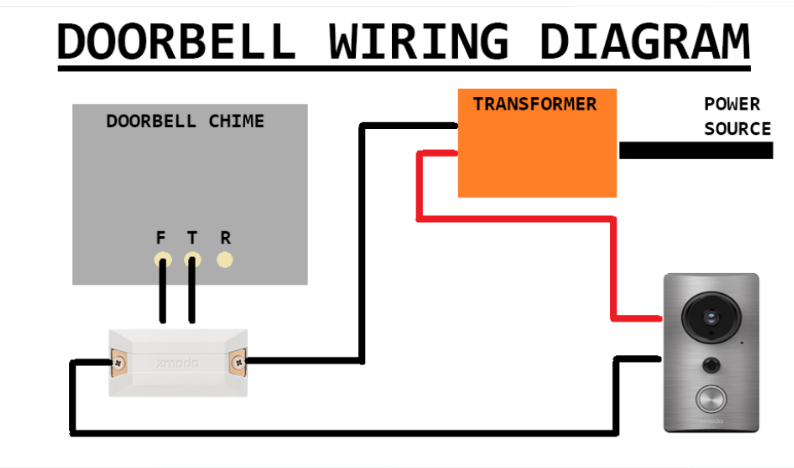
For most traditional wired doorbells, the answer is overwhelmingly low-voltage AC (Alternating Current). Your house runs on much higher voltage AC, but a doorbell uses a special component called a transformer. This unassuming little box, often tucked away near your electrical panel, in a closet, or sometimes even attached to a light fixture, steps down the household voltage (typically 120V in North America) to a much safer and lower level, commonly between 8V and 24V AC. This low voltage is perfect for safety and efficiently powering the electromagnet that drives your chime's hammers. Why AC? It's often simpler and more cost-effective to step down AC voltage for this type of application.
However, the world of smart doorbells blurs the lines a bit. While many smart doorbells are designed to be compatible with existing low-voltage AC wiring (often requiring at least 16V AC to 24V AC), they typically convert this AC power to DC internally to run their sophisticated electronics. Some battery-operated smart doorbells use DC power exclusively from their internal batteries, while others might offer the option for a dedicated DC power supply. So, when dealing with doorbells, the key takeaway is that most wired setups rely on low-voltage AC from a transformer, even if the device itself internally converts it to DC for its components.

Now, for some practical tips to enjoy your doorbell more effectively and troubleshoot like a pro!
- Know your transformer: If you're replacing a doorbell or installing a smart one, locate your existing transformer. It will have labels indicating its output voltage (e.g., "16V AC, 10VA"). This is crucial for compatibility.
- Match the voltage: Always ensure your new doorbell’s voltage requirements match or are compatible with your transformer's output. Over-voltage can fry electronics, while under-voltage might lead to weak chimes or unreliable smart device performance.
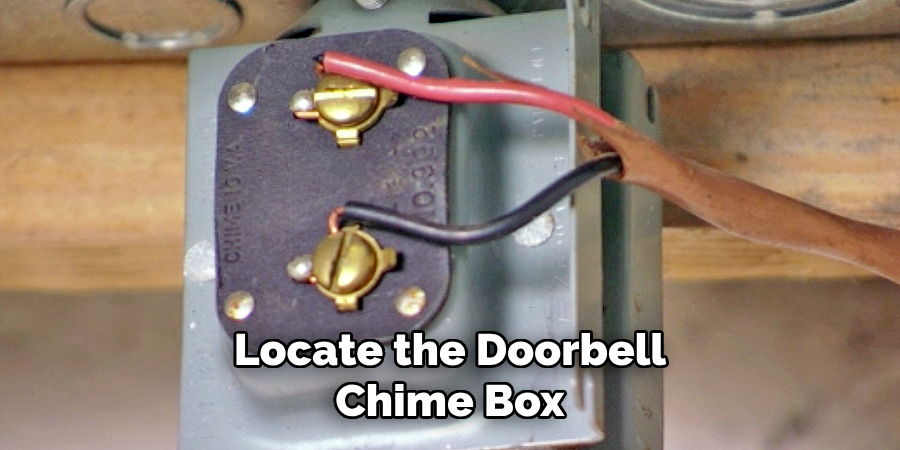
- Troubleshooting 101: If your doorbell isn't working, use a multimeter to test the voltage at the wires leading to the button and the chime. This will quickly tell you if power is reaching these points.
- Smart doorbell considerations: Many smart doorbells need a certain minimum AC voltage (often 16V AC) and sufficient VA (volt-amperes, indicating power) from your transformer. If your old transformer is too weak, you might need an upgrade.
- Safety first: Remember, even though it's low voltage, always turn off the power at your breaker box before working on doorbell wiring to avoid any accidental shocks or short circuits.
Understanding whether your doorbell runs on AC or DC, and more importantly, what voltage it requires, empowers you to maintain, upgrade, and troubleshoot your home's friendly messenger with confidence. So next time that chime rings, give a nod to the humble yet mighty electrical currents making it all happen!