Does Usda Organic Mean Non Gmo

Okay, folks, let's dive into the wonderful (and sometimes confusing) world of organic food! We've all been there, standing in the grocery store aisle, squinting at labels, wondering if that hefty price tag on the "organic" avocado is actually worth it. A big question that pops up is: Does USDA Organic automatically mean "Non-GMO"? Buckle up, buttercup, because we're about to unravel this mystery!
The Organic Promise: More Than Meets the Eye
Imagine a farm. A really happy farm. Think fluffy sheep, clucking chickens doing yoga, and fields bursting with juicy tomatoes that practically wink at you. Okay, maybe not that happy, but you get the picture! That's the vibe we're going for with organic. To get that coveted USDA Organic seal, farmers have to follow a whole bunch of rules. We’re talking no synthetic pesticides, no artificial fertilizers (sayonara, fake plant food!), and responsible land management. It’s all about working with nature, not against it. It's like the farm is enrolled in a wellness retreat! Think kale smoothies and mindful meditation...for crops!
But where do GMOs fit into all this organic goodness?
Must Read
GMOs: The Unsung (and Sometimes Unwanted) Guest
GMOs, or Genetically Modified Organisms, are plants or animals whose genetic material has been altered in a way that doesn't occur naturally. Think of it like giving a tomato superpowers – maybe it can resist a certain disease or grow bigger and faster. Now, GMOs themselves aren't inherently evil. In fact, they can help with things like reducing pesticide use and increasing crop yields. But some folks worry about their potential impact on the environment and human health. It's a bit like that one relative who always brings a casserole dish to the potluck – you're not quite sure what's in it, but you eat it anyway (maybe with a little trepidation).
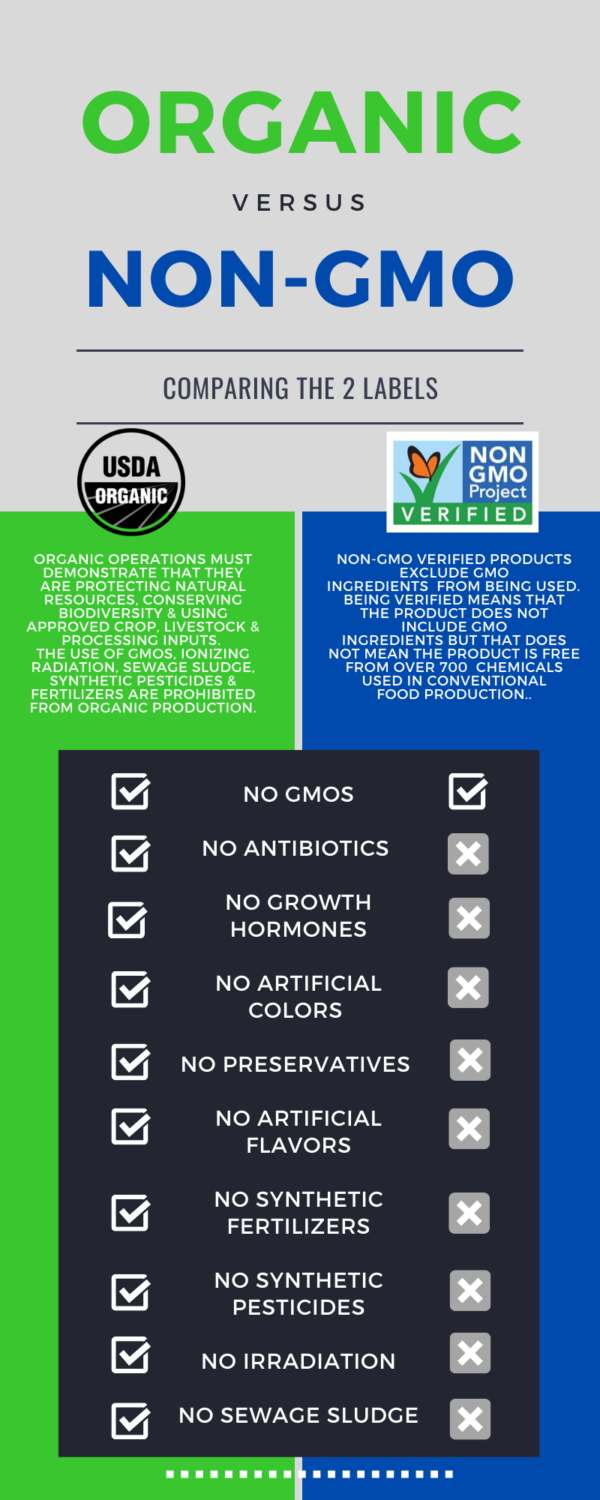
So, here's the good news, the juicy center of our organic apple: USDA Organic certification prohibits the use of GMOs. That’s right! If you see that magical USDA Organic seal on a product, you can breathe a sigh of relief knowing that no sneaky GMOs were used in its production. It's like a built-in GMO force field!
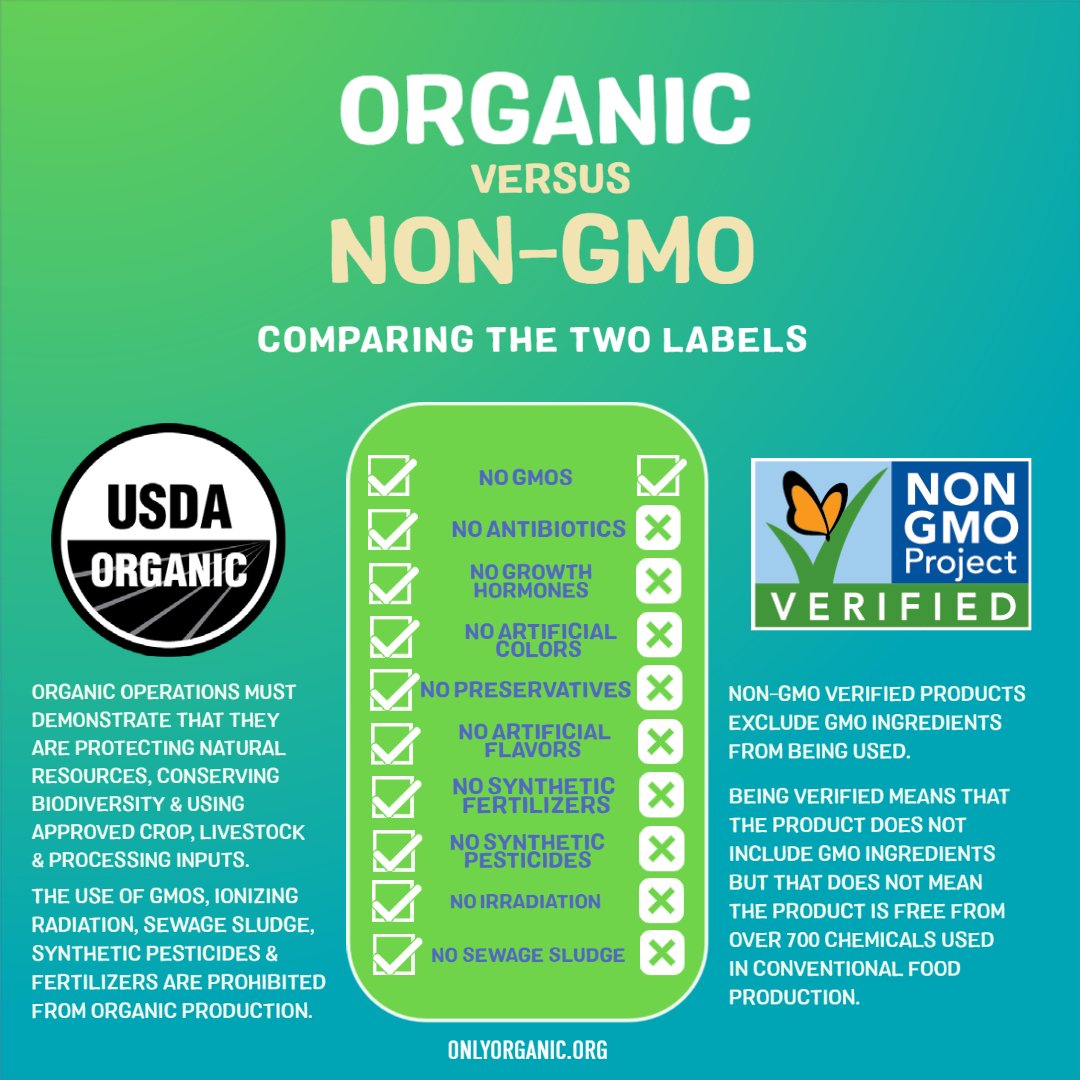
"The use of excluded methods (e.g., genetic engineering, irradiation, and sewage sludge) is prohibited in organic production." - USDA National Organic Program
Decoding the Label Labyrinth
Now, before you go running off to the organic aisle and buying everything in sight, let's talk about label literacy. Just because something doesn't have the USDA Organic seal doesn't automatically mean it's riddled with GMOs. Many companies voluntarily label their products as "Non-GMO," even if they're not certified organic. Look for the "Non-GMO Project Verified" label – it means the product has gone through independent testing to ensure it doesn't contain GMOs.

It's all about knowing your options! Think of it like choosing a pizza topping. Do you want the "everything but the kitchen sink" organic option, or are you okay with a simple "non-GMO pepperoni"? It's all up to you!
Also, beware of sneaky marketing! Some products might use vague terms like "natural" or "farm-fresh" – these terms don't have any legal definition and don't guarantee anything about GMOs. It’s like a magician distracting you with shiny objects while they pull a rabbit out of a hat. Don't fall for the trick!

So, there you have it! The answer to the great organic-GMO debate is a resounding "Yes!" – USDA Organic does mean non-GMO. Now go forth, my friends, and shop with confidence, knowing you're making informed choices for yourself and your family. And remember, even if you occasionally indulge in a non-organic treat, it's all about balance! After all, life is too short to stress over every single ingredient. Just enjoy the deliciousness!
Happy shopping, and may your produce always be plentiful and pesticide-free (or at least thoroughly washed!).