
Does Sore Muscles Burn More Calories
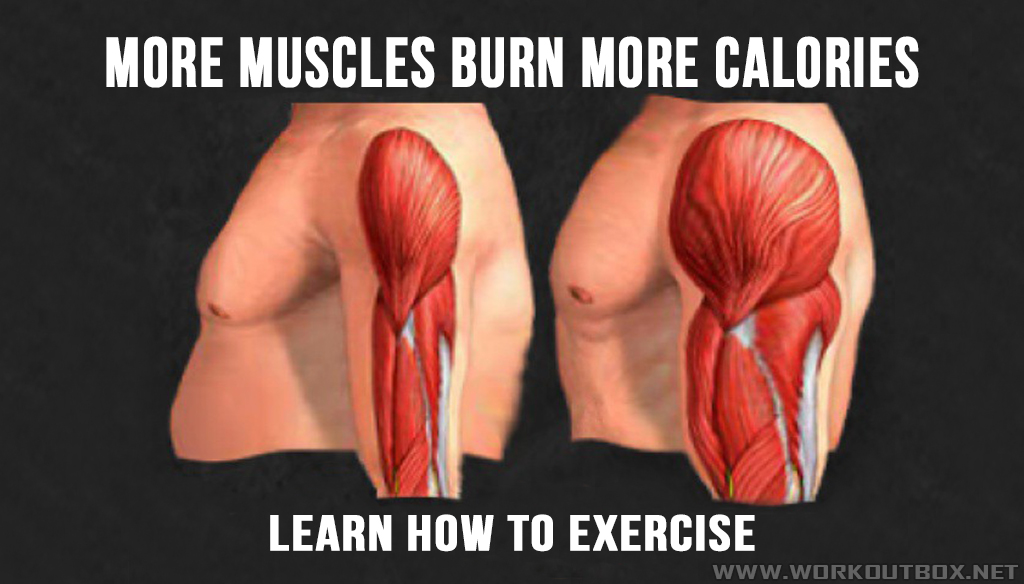
Okay, let's talk about something we’ve all experienced: that satisfying (or not-so-satisfying, depending on your perspective) post-workout soreness. You know, that feeling where even sitting down feels like a mini-marathon? The question on everyone's mind, whispered in locker rooms and debated over protein shakes: Does the burn mean you’re burning more calories?
The short answer? It’s a bit more nuanced than a simple yes or no. Think of it like trying to understand the plot of "Inception" – layers upon layers!
The Science Behind the Soreness
That muscle soreness we're talking about is usually Delayed Onset Muscle Soreness, or DOMS for short. It's the result of microscopic damage to muscle fibers during exercise, especially when you're doing something new or increasing the intensity. Think of it as your muscles throwing a little tantrum after being pushed beyond their usual comfort zone.
Must Read
But here's the kicker: DOMS itself doesn't directly translate to a significant calorie burn. It's more about muscle repair and adaptation.
Think of it this way: You just built an awesome Lego castle. DOMS is like having to replace a few bricks that got a little scuffed up during construction. Replacing those bricks takes a bit of energy, but not nearly as much as building the entire castle from scratch.

Calorie Burn: Where the Real Action Is
The real calorie-burning magic happens during the workout itself and in the immediate hours afterward. This is when your body is working hard to fuel your activity and then replenish energy stores. During this time, your Excess Post-exercise Oxygen Consumption (EPOC), often called the "afterburn effect," is elevated.
EPOC is the increase in oxygen your body consumes after exercise to recover. This includes things like repairing muscle tissue, replenishing glycogen stores, and restoring hormone levels. So, while DOMS is about repair, EPOC is about the immediate aftermath of battle.

Think of running a marathon. The race is intense, and you're burning calories like crazy. But afterwards, your body is still working overtime to recover, cool down, and re-energize. That's EPOC at work, and it's where the bulk of post-exercise calorie burn occurs.
Intensity Matters: Go Hard (But Smart!)
So, if DOMS doesn't equal major calorie burn, what does? Intensity. The harder you work during your workout, the more calories you'll burn during and after.

High-intensity interval training (HIIT) is a great example. Short bursts of intense exercise followed by brief recovery periods can significantly boost your calorie burn and EPOC. Think of burpees, sprints, or jump squats – those are the kinds of exercises that crank up the heat!
Of course, it's crucial to listen to your body and avoid overtraining. You don't want to push yourself so hard that you get injured. Remember the fable of the Tortoise and the Hare? Slow and steady wins the race, especially when it comes to fitness.

Tips for Maximizing Calorie Burn
- Vary your workouts: Mix things up to challenge your muscles in new ways and prevent plateaus. Try a new yoga class, go for a hike, or pick up a new sport.
- Focus on compound exercises: These movements, like squats, deadlifts, and push-ups, work multiple muscle groups simultaneously, maximizing calorie burn.
- Increase the intensity: Challenge yourself to lift heavier weights, run faster, or do more repetitions.
- Prioritize recovery: Get enough sleep, eat a balanced diet, and stretch regularly to help your muscles recover and prevent injuries.
The Big Picture: It's About Overall Health
Ultimately, while understanding the science of calorie burn is interesting, it's important to remember that fitness is about more than just numbers. It's about feeling good, improving your health, and enjoying the process.
Don't obsess over whether or not your sore muscles are burning extra calories. Instead, focus on consistency, proper form, and enjoying your workouts. The calorie burn will take care of itself.
So, next time you're feeling that post-workout soreness, embrace it! It's a sign that you're pushing yourself and making progress. Just remember to listen to your body, fuel it with good food, and get plenty of rest. After all, health is a journey, not a destination.