Does Running Help Lose Stomach Fat
:max_bytes(150000):strip_icc()/does-running-help-lose-belly-fat-2911106-2334-01db5179befb49dea5bed873c576cdde.jpg)
Let's face it, the question of how to get rid of that stubborn stomach fat is something many of us have pondered. It’s not just about aesthetics; excess abdominal fat, often called visceral fat, is linked to a higher risk of various health problems. So, the idea that running might be a key to a flatter stomach is definitely an appealing one! Understanding how running interacts with body fat is not only relevant to our personal health goals but also fascinating from a scientific perspective. Are those early morning jogs really paying off around the waistline?
The purpose of understanding the relationship between running and stomach fat loss is to empower you to make informed decisions about your fitness routine. While there's no magic bullet, running offers a multitude of benefits that can contribute to overall fat reduction, including the tricky area around your abdomen. Regular running helps to burn calories, increase your metabolism, and improve your cardiovascular health. All of these factors play a role in creating the calorie deficit necessary for your body to tap into its fat reserves for energy. Think of it as consistently making withdrawals from your energy savings account!
In education, the principles behind running and fat loss can be used to teach students about basic physiology, energy balance, and the importance of a healthy lifestyle. For example, a physical education class could track the progress of students who incorporate regular running into their routines, comparing their body composition changes with those who don't. This provides a tangible, real-world application of scientific concepts. In daily life, the understanding that running contributes to fat loss (and overall well-being) can be a powerful motivator to stay active. It can also inform your dietary choices, prompting you to make healthier decisions to support your fitness goals. Knowing that you're actively working towards reducing visceral fat can be a strong incentive to skip that extra slice of cake!
Must Read
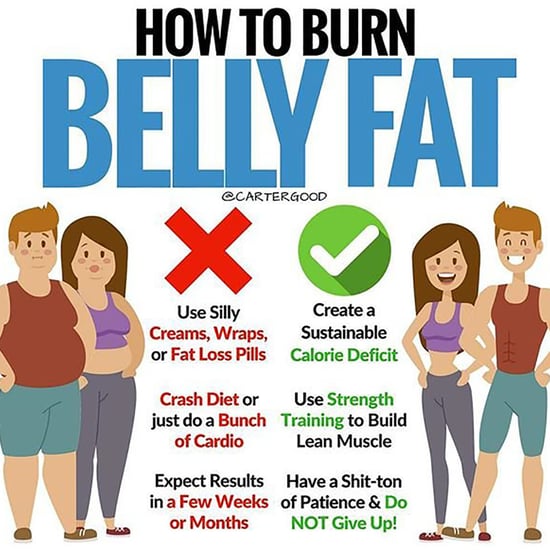
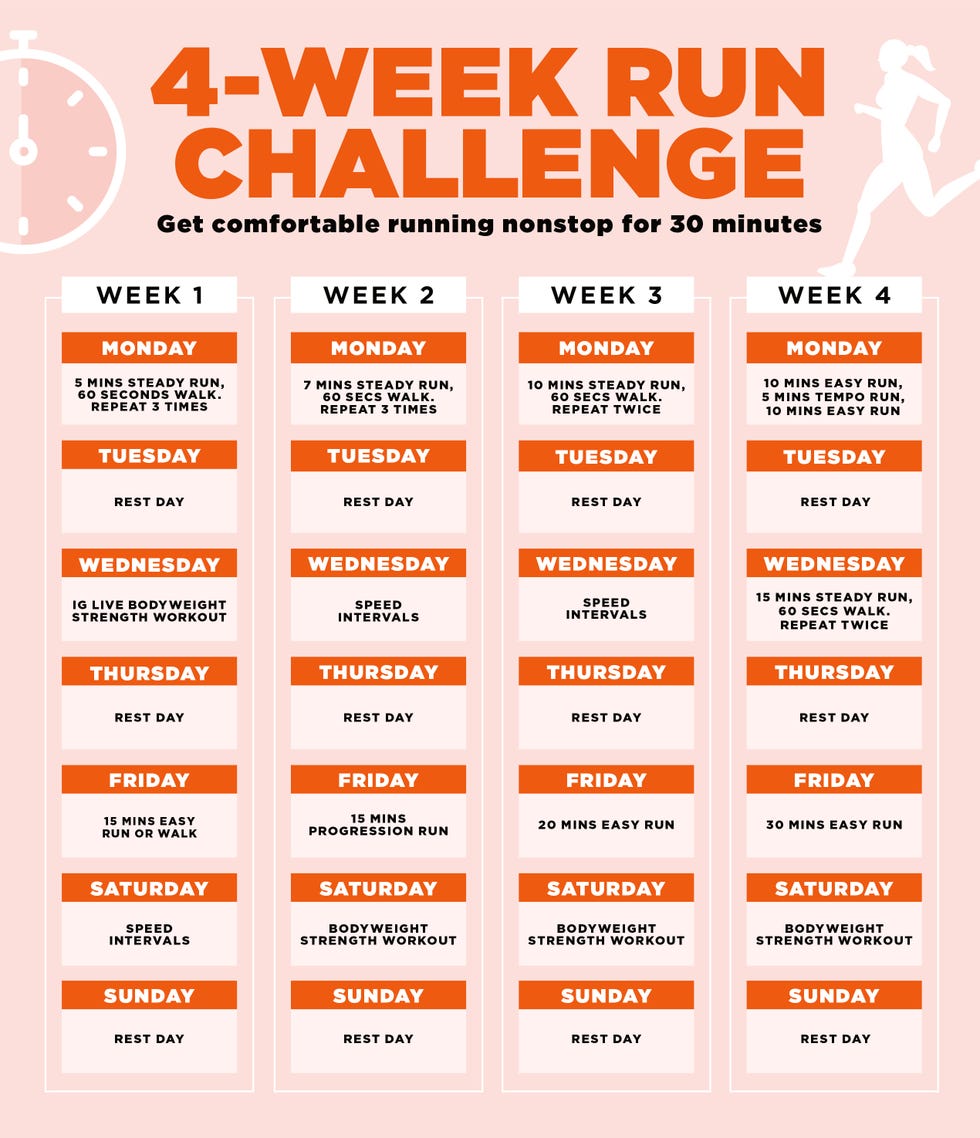
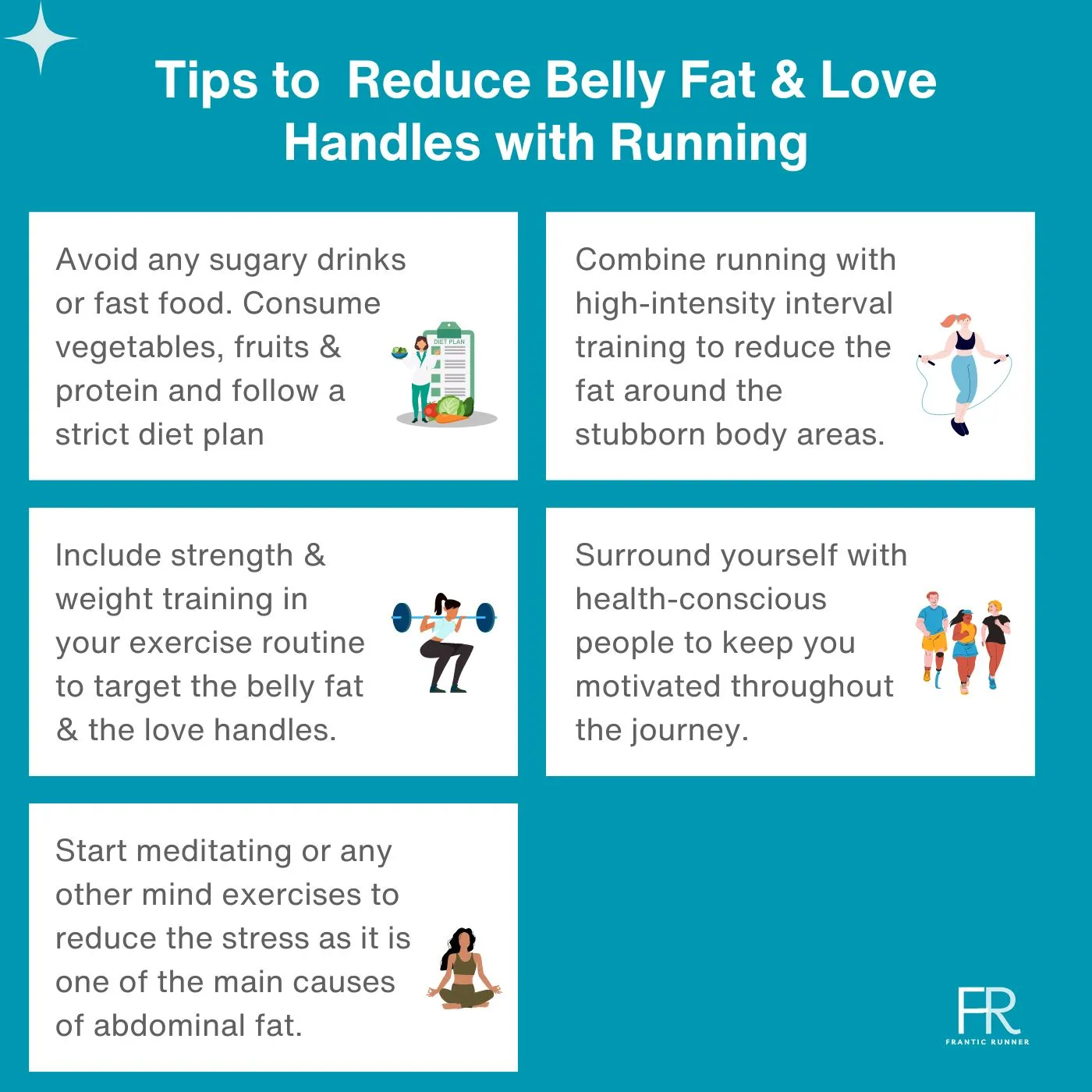
So, how can you explore this further and put it into practice? Start small. Don't feel pressured to immediately run a marathon. Begin with a brisk walk and gradually introduce jogging intervals. Use a fitness tracker or app to monitor your progress and see how many calories you're burning. Experiment with different types of running, such as interval training (short bursts of high intensity followed by rest) or long, steady-state runs. Interval training is particularly effective for boosting your metabolism. More importantly, listen to your body and don't push yourself too hard, especially when starting out. Another practical tip is to combine running with strength training. Building muscle mass helps to increase your resting metabolic rate, meaning you'll burn more calories even when you're not exercising. Remember that diet plays a crucial role. Running alone won’t magically melt away stomach fat if you're consuming more calories than you burn. Focus on a balanced diet rich in fruits, vegetables, lean protein, and whole grains.
In conclusion, while running can significantly contribute to stomach fat loss, it's most effective when combined with a healthy diet and a well-rounded fitness routine. It's about consistency, patience, and understanding how your body responds to exercise. So, lace up those shoes, get moving, and discover the benefits of running for yourself!