Does Honeywell Thermostat Need Batteries
Ever found yourself staring blankly at your thermostat, wondering why it's gone dark or isn't responding to your touch? It’s a common household mystery, especially with a brand as ubiquitous as Honeywell. You’re not alone if you've pondered the seemingly simple yet surprisingly nuanced question: Does your Honeywell thermostat need batteries? It might seem like a small detail, but understanding how this little brain of your home's climate control system gets its juice can save you a chilly night, a sweaty afternoon, or even an unnecessary service call. Let's peel back the layers of this everyday enigma with a bit of relaxed curiosity!
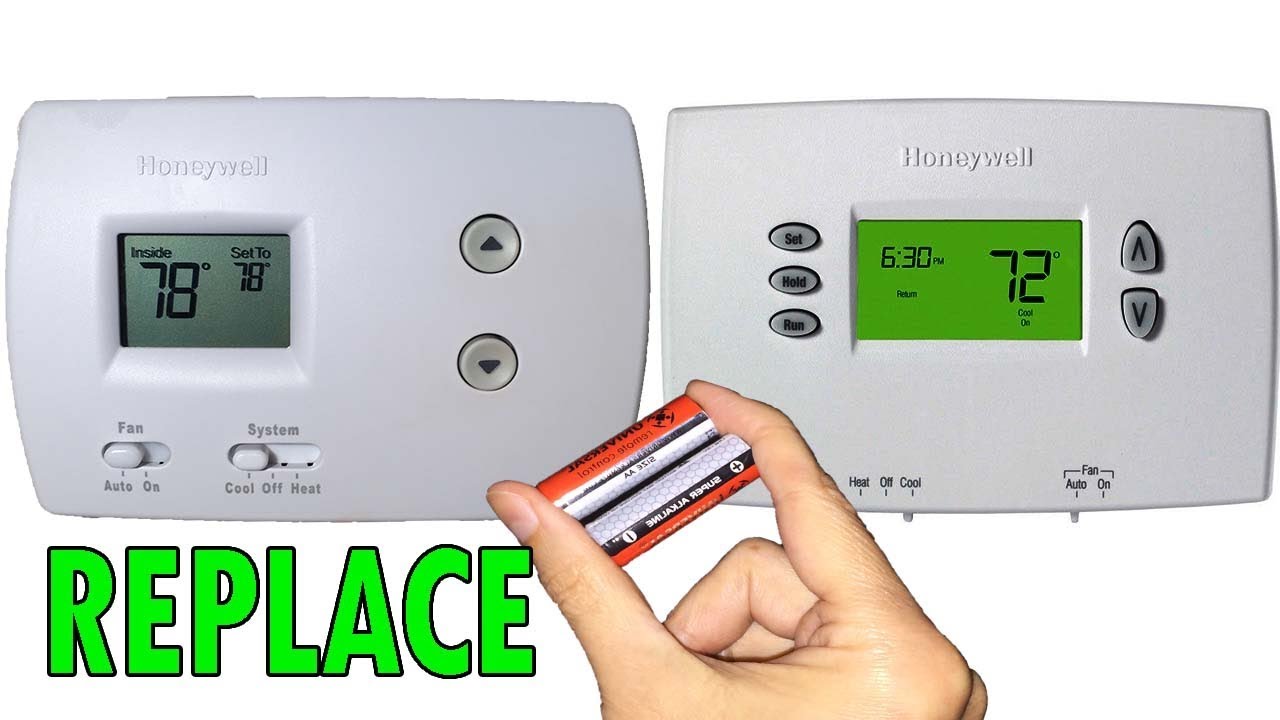
The core purpose of knowing your thermostat's power source is pure empowerment. It helps you understand how your comfort is sustained and gives you a practical edge in troubleshooting. Many Honeywell thermostats, especially older or simpler programmable models, rely on standard AA or AAA batteries. These batteries power the screen, the internal clock, and the logic that tells your furnace or AC when to kick on. The benefit here is simplicity: if the screen goes blank or a low-battery icon appears, you know exactly what to do. Just pop in some fresh ones, and you're good to go! However, many modern and particularly smart Honeywell thermostats often draw continuous power from your HVAC system via a connection called a "C-wire" (common wire). This provides a constant, robust power supply, crucial for Wi-Fi connectivity and advanced features, though some might still use batteries as a backup.
In our daily lives, this knowledge comes in handy in countless scenarios. Imagine you're a new homeowner setting up your smart home – understanding the C-wire connection is vital for ensuring your thermostat seamlessly integrates with other devices and maintains consistent Wi-Fi. For a parent, knowing to check the batteries on an older thermostat can be the difference between a restless night for a sick child and a perfectly regulated room. Even in an educational context, like a high school shop class or an HVAC training program, dissecting how thermostats are powered teaches fundamental electrical concepts and practical problem-solving. It transforms a mundane household item into a mini lesson in engineering and utility.
Must Read
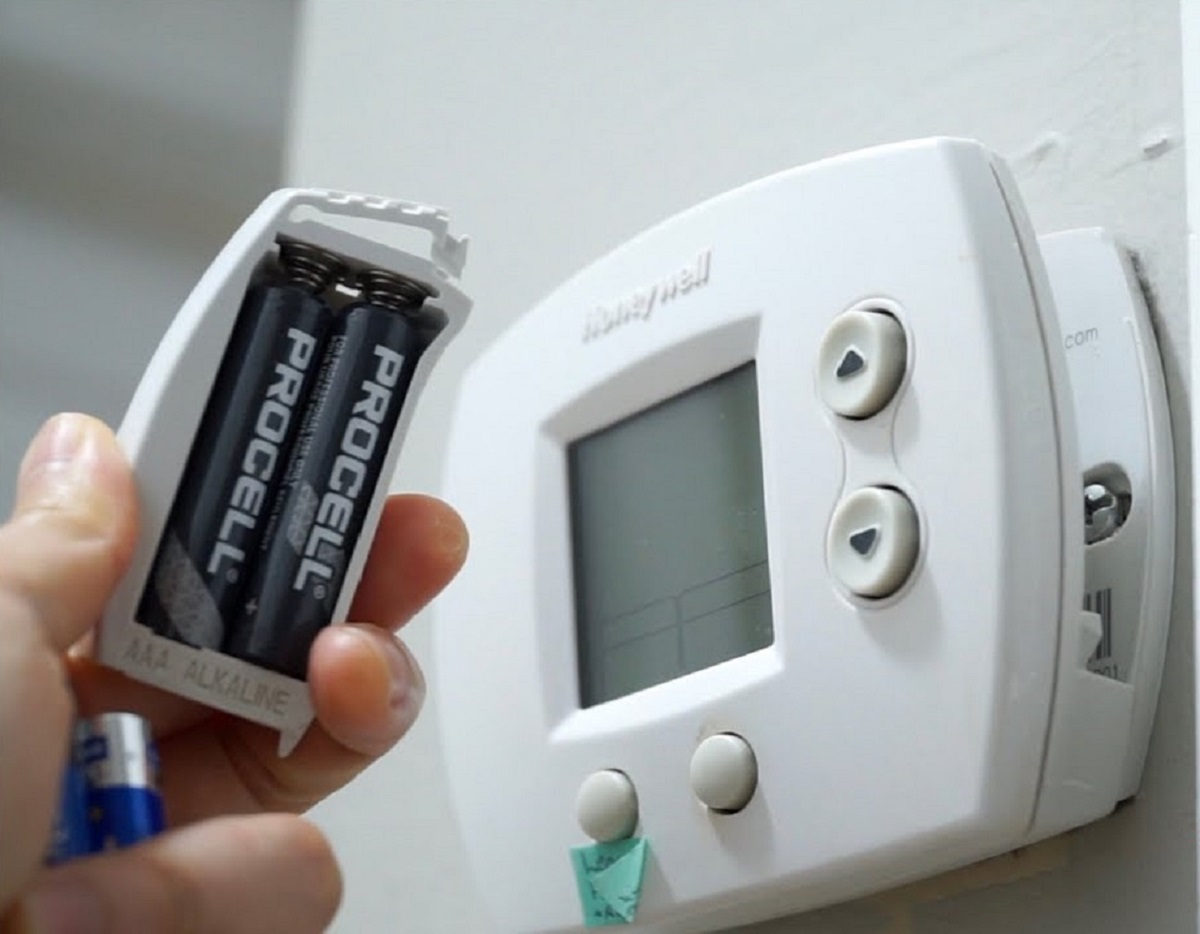
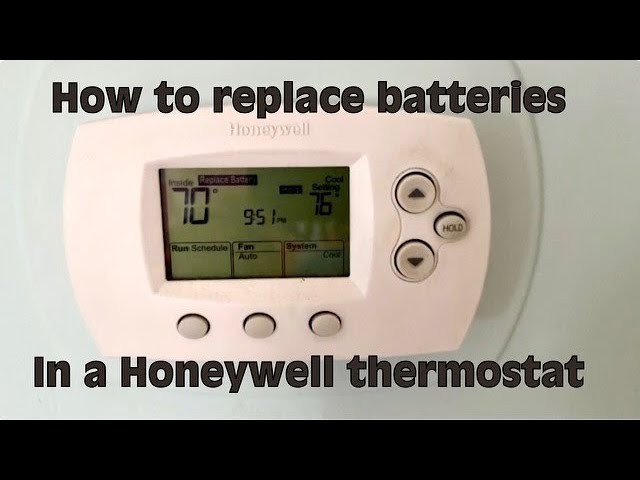
Ready to explore your own thermostat's power secrets? Here are a few simple tips to become a thermostat detective! First, always check your specific Honeywell model's manual – it's the definitive guide. No manual? Take a good look at the thermostat itself. Many battery-powered units have a visible battery compartment, often on the side, bottom, or behind the front plate (which usually pulls straight off). If your screen is blank or flashing a "low battery" warning, that's your clearest sign! If you're feeling a bit more adventurous (and after you’ve turned off power to your HVAC system at the breaker!), gently pull the thermostat off its wall plate. Look at the wires connected to the terminals. If you see a wire connected to a terminal labeled "C," congratulations, you likely have a C-wire. If not, and there's no battery compartment, it might be an older model 'power stealing' from the heating/cooling wires, which is less common for modern units that require sustained power. A quick online search for your specific model number will usually yield a manual or clear instructions. Remember, a little curiosity goes a long way in keeping your home comfortable!