
Does Electric Fans Use A Lot Of Electricity
The mercury's rising, the air is thick with that distinct summer hum, and you're probably doing what most of us are: dreaming of a cool breeze. Maybe you’ve cranked up the electric fan, only to pause, mid-swirl, and wonder, "Is this thing secretly racking up my electricity bill?" It’s a common thought, especially when we’re all trying to be a little more mindful of our energy consumption and our wallets.
Well, get ready for some good news, my friend, because when it comes to keeping cool, your trusty electric fan is actually a budget-friendly superhero.
The Lowdown: Fans are Energy Sippers, Not Guzzlers
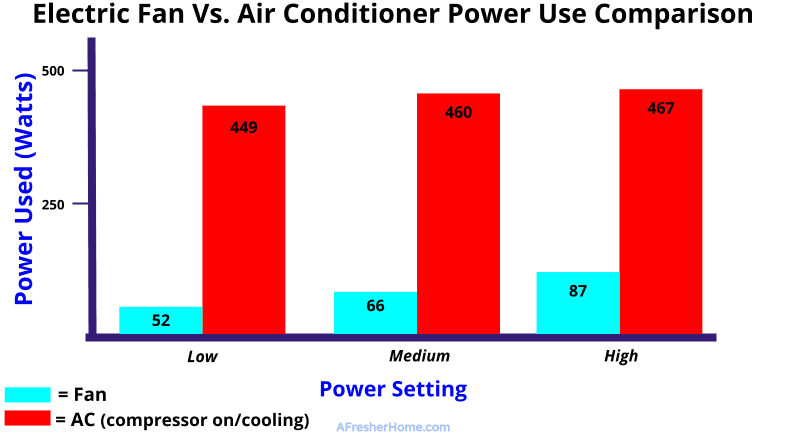
Let’s cut to the chase: electric fans use significantly less electricity than air conditioning units. While your AC might be drawing upwards of 2000-5000 watts, a typical stand or box fan sips a mere 50-100 watts. That’s roughly the same amount of power as a few old-school incandescent light bulbs, or even less than a laptop charger!
Must Read
Think about it: running a fan for an entire hour often costs just a few cents. Running an AC for the same duration could easily cost you a dollar or more, depending on your electricity rates and unit efficiency. It’s like comparing a refreshing glass of water to a full-on gourmet meal – both serve a purpose, but one is clearly more intensive on resources.
How Do They Work Their Magic?
The secret to a fan's efficiency lies in its simplicity. Fans don't actually cool the air in a room. Instead, they work by creating a wind-chill effect on your skin. They move stagnant air around, helping to evaporate sweat from your body, which makes you feel cooler. It’s a subtle but highly effective mechanism, especially in dry heat. This is why it’s often said you should point the fan directly at yourself or the people in the room, rather than trying to cool an entire empty space.

Types of Fans & Their Thirst Levels
While all fans are relatively efficient, there's a slight variation depending on the type and size:
- Desk/Box Fans: These are your most frugal friends, often using 25-75 watts. Perfect for personal cooling.
- Stand/Tower Fans: A bit more powerful to cover a larger area, typically using 50-100 watts. Still very modest.
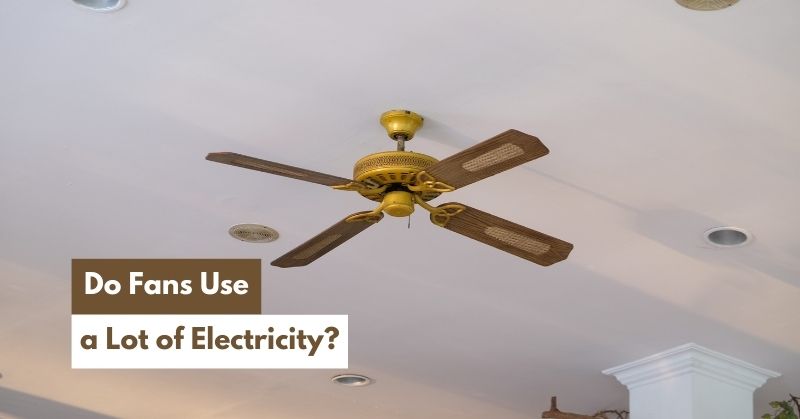
- Ceiling Fans: Surprisingly efficient, especially on lower settings. They usually consume 15-90 watts and are great for circulating air throughout a room, making it feel several degrees cooler. Plus, did you know most have a reverse switch for winter to push warm air down? Genius!
Newer models, especially those with DC (direct current) motors, are even more efficient than their AC (alternating current) counterparts. So if you're upgrading, look for that "DC motor" badge!
Smart Fan Strategies for Maximum Chill & Savings
Want to be an absolute pro at fan usage? Here are a few practical tips:
- The Nighttime Window Trick: If it’s cooler outside at night than inside, place a fan facing out an open window. This pushes hot air out, drawing cooler air in through another open window. A simple, cross-breeze masterpiece!
- Team Up with AC: On those truly sweltering days, use your fan alongside your air conditioner. The fan will help distribute the cool air more effectively, allowing you to set your AC thermostat a few degrees higher (say, 78°F instead of 75°F) without sacrificing comfort. This small adjustment can lead to big savings.
- Personal Zone: Remember, fans cool people, not rooms. Direct the fan toward yourself or where people are gathered. No need to blast it in an empty room!
- Keep it Clean: Dusty fan blades aren’t just unsightly; they can hinder air circulation and make the motor work harder. A quick wipe-down every now and then keeps things running smoothly and efficiently.
A Little Reflection on the Breeze
From ancient Egyptian hand-held palm fronds to the sleek, smart fans of today, humans have always sought ways to embrace the breeze. There’s something beautifully simple about the humble electric fan – a testament to how often the most straightforward solutions are the best. It offers comfort without guilt, a cool respite without a hefty price tag.
So, next time you feel that gentle, circulating air, relax. Your electric fan is doing its job beautifully, giving you a refreshing break without breaking the bank. It's a small reminder that sometimes, the most effective ways to make our daily lives more comfortable and sustainable are right there, often underestimated, and always ready to blow a little fresh air our way.

