Does Delta 9 Show Up On Hair Follicle Test
Let's talk about something that's becoming increasingly relevant (and maybe a little anxiety-inducing!) for many: Delta 9 and hair follicle tests. Why is this a hot topic? Well, with the growing acceptance and legality of cannabis in various forms, more people are using it. And simultaneously, drug testing, especially in the workplace, remains a common practice. So, naturally, the question arises: Will that gummy you enjoyed last weekend come back to haunt you in a hair follicle test?
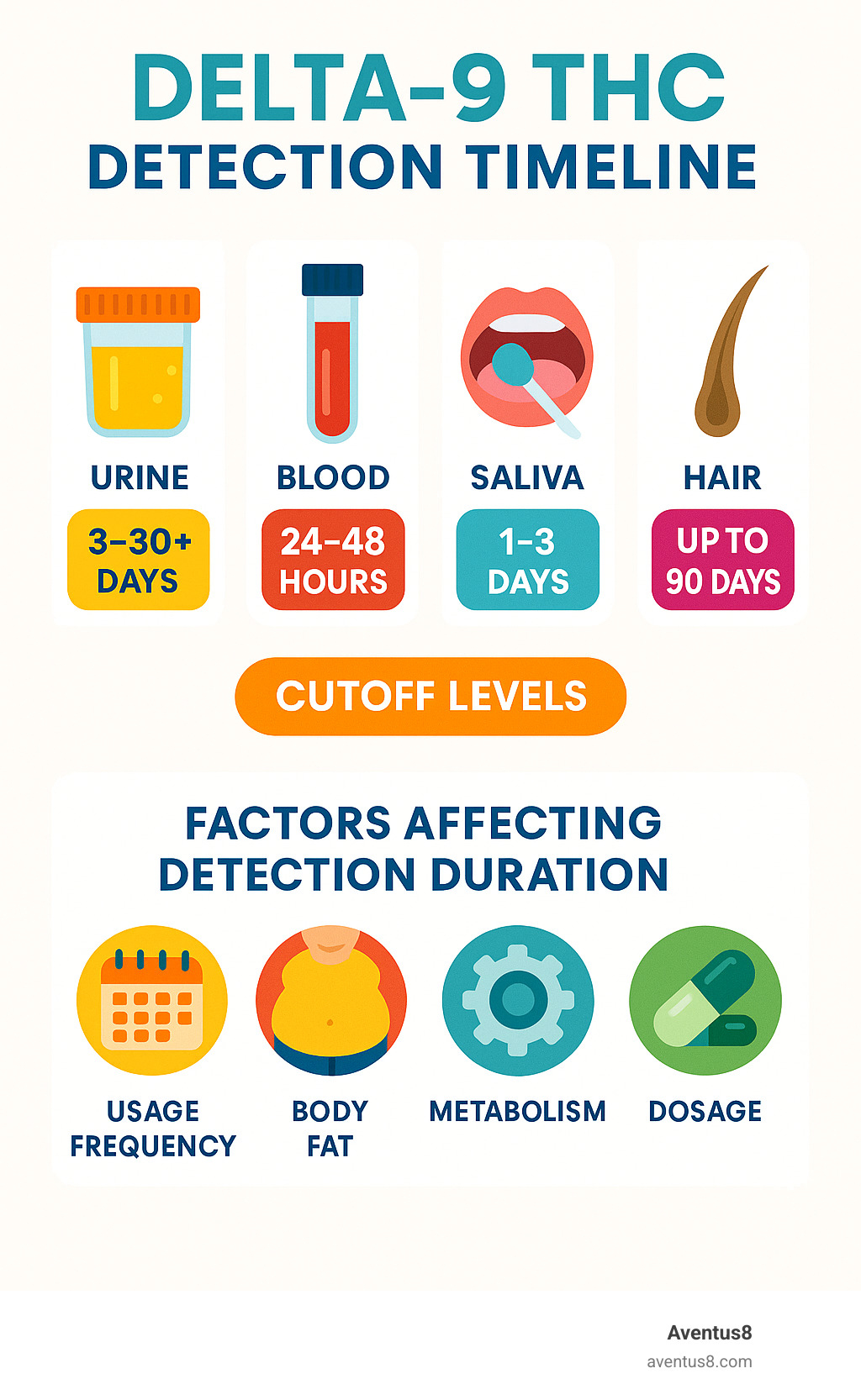
First, let's understand the purpose of a hair follicle test. Unlike urine or blood tests, which typically detect recent use (within a few days or weeks), hair follicle tests offer a much longer detection window – typically up to 90 days. They work by analyzing hair strands for traces of drugs that have been incorporated into the hair shaft as it grows. Think of it like a historical record of your drug consumption, written in your hair!
The benefits of this type of testing, from an employer's perspective, are clear: it provides a more comprehensive and reliable picture of an individual's drug use history compared to other methods. This can be crucial in safety-sensitive positions or industries where drug use could have serious consequences.
Must Read
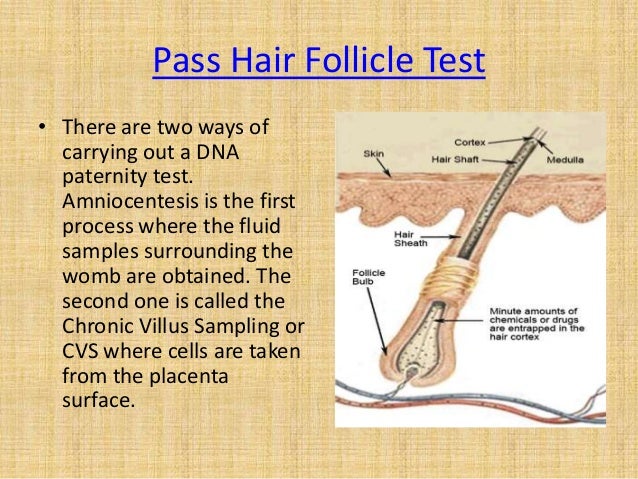
Now, for the burning question: Does Delta 9 show up on a hair follicle test? The short answer is yes, it potentially can. Hair follicle tests are designed to detect the presence of THC, the psychoactive compound in cannabis, including Delta 9 THC. When you consume Delta 9, your body metabolizes it, and some of those metabolites can be deposited in your hair follicles. As your hair grows, these metabolites become trapped within the hair shaft, making them detectable through a hair follicle test.
However, there are a few nuances to consider. The sensitivity of the test can vary depending on the lab and the specific testing panel. Also, the frequency and amount of Delta 9 consumed can impact detectability. A single gummy consumed months ago might be less likely to show up than regular, heavy use. Another important factor is that passive exposure to cannabis smoke is unlikely to cause a positive result on a hair follicle test, as the concentration of THC absorbed in this way is generally very low. But, direct exposure to cannabis oils or products on the hair could potentially lead to a positive result.

So, what can you do? The most straightforward way to avoid a positive result is, of course, to abstain from using Delta 9 products altogether. If you're concerned about a potential test, it's wise to research the specific policies of your employer or organization regarding drug testing. Some employers have specific thresholds for THC detection, while others may have a zero-tolerance policy. Remember, this information is for general knowledge and not a substitute for professional legal advice. If you're facing a specific situation, consulting with an attorney is always recommended.
Ultimately, understanding how Delta 9 can be detected through hair follicle tests empowers you to make informed decisions. Stay informed, be aware of the potential consequences, and act accordingly. And maybe, just maybe, save those gummies for a time when your hair isn't under such scrutiny!