Does Buyer Or Seller Transfer Utilities
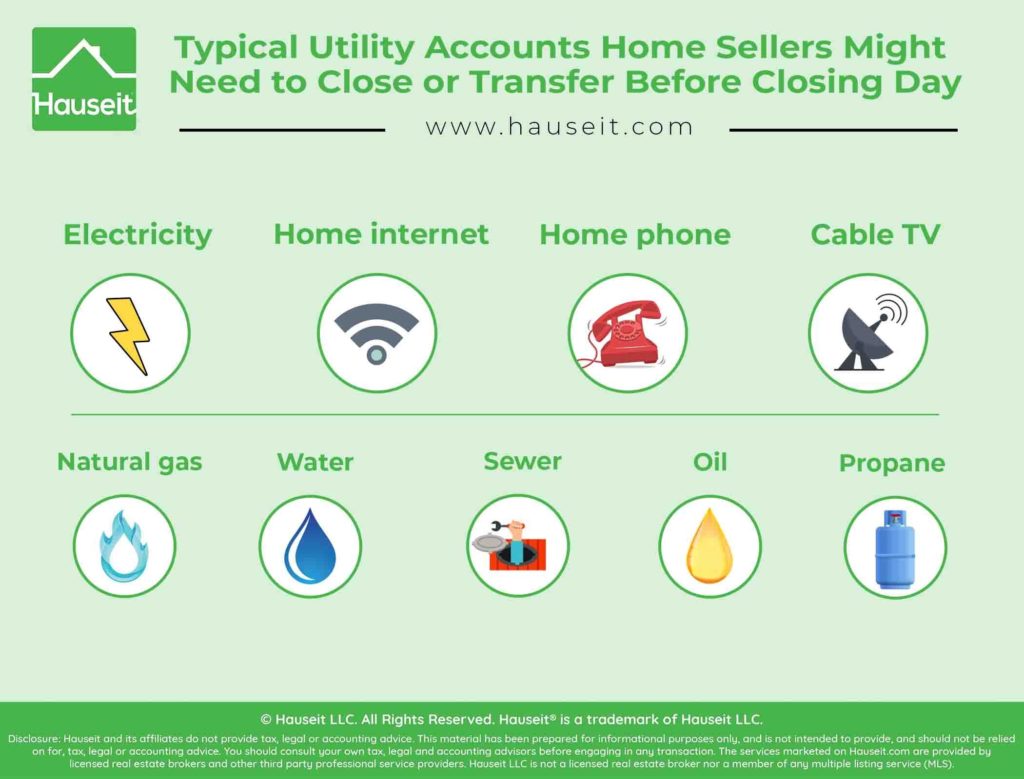
Let's talk utilities! Okay, maybe it doesn't sound like the most thrilling topic, but trust me, understanding who's responsible for transferring utilities when buying or selling a home can save you a lot of headaches (and money!). It's like knowing the secret password to a smoother real estate transaction. Plus, who doesn't love avoiding unnecessary bills?
The basic rule of thumb is pretty straightforward: the seller is responsible for keeping the utilities on until the day of closing. The buyer is responsible for setting up utility service in their name starting the day after closing. Think of it as passing the torch – the seller keeps the lights on until the new owner officially takes possession.
Why is this important? Well, for beginners, knowing this prevents you from getting stuck with someone else’s bills or accidentally shutting off the power before the new owners move in. Imagine arriving at your new home, ready to unpack, only to find out the water and electricity are off! No fun, right? For families, especially those with young children, consistent utility service is crucial for comfort and safety. Nobody wants a cold shower on moving day! And for hobbyists – maybe you're a woodworker eager to set up your shop, or a gardener ready to tend your new yard – you need those utilities up and running quickly.
Must Read
There are, of course, variations and specific situations to consider. For example, if the closing occurs late in the afternoon, the buyer might opt to start the utility service the same day to avoid any gaps. In some cases, the buyer and seller might agree on a specific date for transferring utilities, especially if there's a short overlap in ownership. It’s always best to communicate clearly and document any agreements in writing.
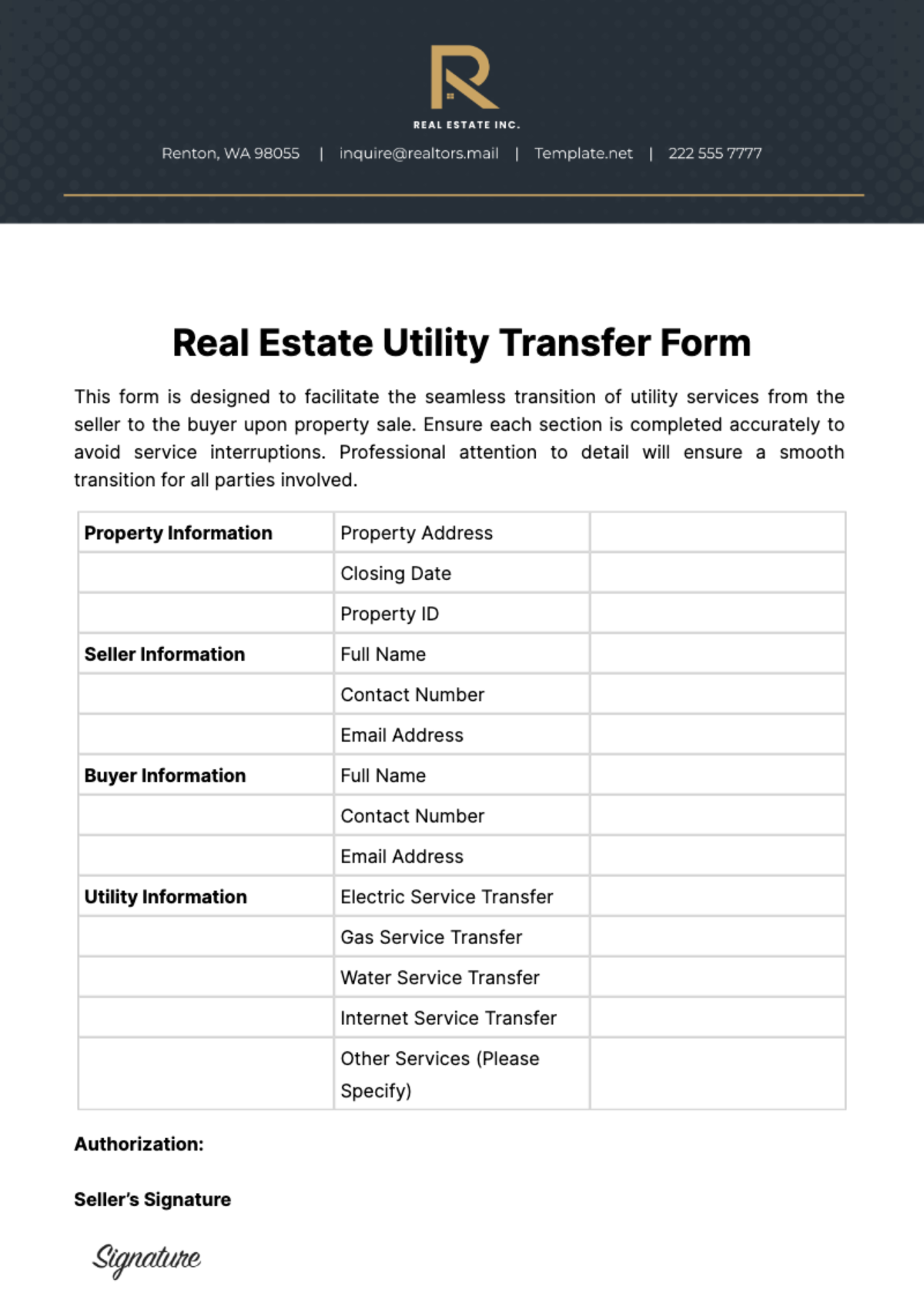
Let's look at some practical tips for getting started. If you're the seller, contact your utility companies well in advance of the closing date to schedule final readings and account closures. Be sure to provide the exact closing date. If you are the buyer, start researching and contacting utility companies before you close. Find out what information they need (usually your name, new address, closing date, and maybe a copy of your purchase agreement). Don't wait until the last minute – you want to ensure everything is set up smoothly. Also, keep records of all your interactions with the utility companies, including confirmation numbers and service dates.
A common example is that some utility companies require a security deposit, particularly if you're a new customer or have a limited credit history. Be prepared for this expense. Another example involves properties with shared utilities, such as condo buildings. In these cases, the homeowner's association (HOA) might handle some or all of the utility services. Be sure to clarify these details before closing.

One simple tip: take photos of the utility meters on the day of closing. This can be helpful in case of any discrepancies with the final bills. Also, don’t forget to cancel any automatic payments you have set up for your old address!
Navigating the world of utility transfers doesn't have to be stressful. With a little planning and open communication, you can ensure a smooth transition and avoid any unwelcome surprises. So, take a deep breath, do your research, and enjoy the peace of mind that comes with knowing you've got everything covered. You’ve got this!