Does Aetna Cover Medical Alert Systems
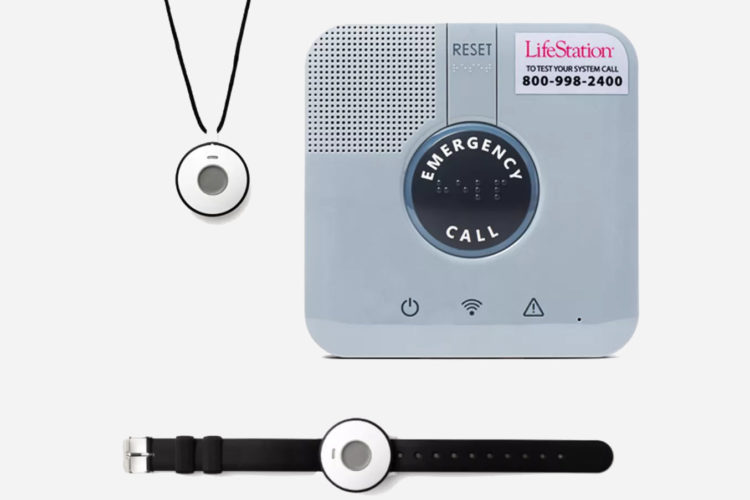
Hey there, fabulous folks! Let's talk about something that often buzzes around the back of our minds – the sweet symphony of peace of mind. Whether it's for ourselves, a parent, or a beloved grandparent, the idea of living independently, securely, and with a safety net is pretty much the dream, right? Enter the humble, yet mighty, medical alert system. These clever gadgets are like your personal, always-on guardian angel, ready to call for help with just a press of a button. But then comes the million-dollar question: Does Aetna cover medical alert systems? Let's dive in, shall we?
The Short Answer (and Why It's Never That Short)
Alright, let's cut to the chase: the answer isn't a simple "yes" or "no." It's more of a "maybe, depending on your plan, darling!" Think of it like trying to choose your perfect coffee – there are so many blends and options, and what's included often varies. Aetna, like many insurance providers, offers a diverse range of plans, and coverage for medical alert systems (often referred to as Personal Emergency Response Systems, or PERS) can differ significantly from one to the next.
The good news? Many Aetna plans, particularly their Medicare Advantage (Part C) plans, are increasingly recognizing the value of these systems. Why? Because they promote independent living, prevent costly hospitalizations from falls, and generally lead to better health outcomes. It's a win-win, really!
Must Read
Unpacking Your Aetna Plan: The Treasure Map
So, how do you find out if your specific Aetna plan covers a medical alert system? Consider this your quest for answers:
- Your Evidence of Coverage (EOC) Document: This is your official treasure map! Every year, Aetna sends you this detailed booklet outlining exactly what your plan covers. Look for terms like "Personal Emergency Response Systems (PERS)," "Durable Medical Equipment (DME)," or "supplemental benefits." Sometimes, these benefits might fall under a broader category of "home health" or "wellness" services.
- Call Aetna Directly: Don't be shy! Grab your Aetna member ID card (the magic number is usually on the back!) and give their customer service a call. They can look up your specific policy details and tell you definitively if PERS is a covered benefit. Be prepared with the specific name of the medical alert system you're considering, as some plans might have preferred providers or specific criteria.
- Chat with Your Doctor: Your physician or a healthcare provider might be able to help. Sometimes, a medical alert system might be deemed medically necessary, and a doctor's prescription or recommendation can be a key factor in getting coverage approved.
Pro-Tip: When you call Aetna, ask if there are any specific CPT codes or HCPCS codes associated with medical alert systems. This can help streamline the process when working with a provider.
Why Aetna Might Say Yes (Especially with Medicare Advantage)
Aetna's Medicare Advantage plans often go beyond Original Medicare (Parts A & B) by offering extra benefits. These can include dental, vision, hearing, and yes, sometimes even medical alert systems! The drive behind this is all about keeping you healthy and thriving at home. A fall, for example, can be incredibly serious, leading to lengthy hospital stays and recovery. A simple alert system can prevent that, making it a sound investment for insurers.
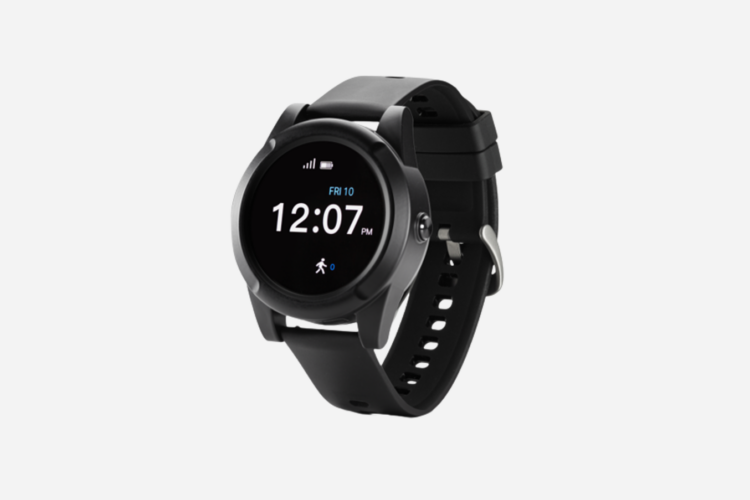
Think of it this way: In a world where smart homes and wearable tech are becoming the norm (who doesn't have a smartwatch tracking their steps these days?), medical alert systems are simply another layer of smart, proactive care. They're not just for emergencies; they're for empowering independence.
What If Your Aetna Plan Doesn't Cover It? Don't Despair!
Even if your current Aetna plan doesn't include coverage, don't throw in the towel! You still have options:
- Health Savings Accounts (HSAs) or Flexible Spending Accounts (FSAs): These are fantastic options for covering qualified medical expenses, and medical alert systems often fall into this category. It's like having a special savings pot just for your health!
- State and Local Programs: Check with your local Area Agency on Aging or state health departments. Many offer assistance programs or subsidies for seniors who need medical alert systems.
- Medical Alert System Providers: Many companies offer discounts, payment plans, or even trials. It never hurts to ask!
- Open Enrollment: If you're really set on getting coverage, remember that during open enrollment periods, you can often switch to a different Aetna plan (or another insurer altogether) that does offer the benefits you're looking for.
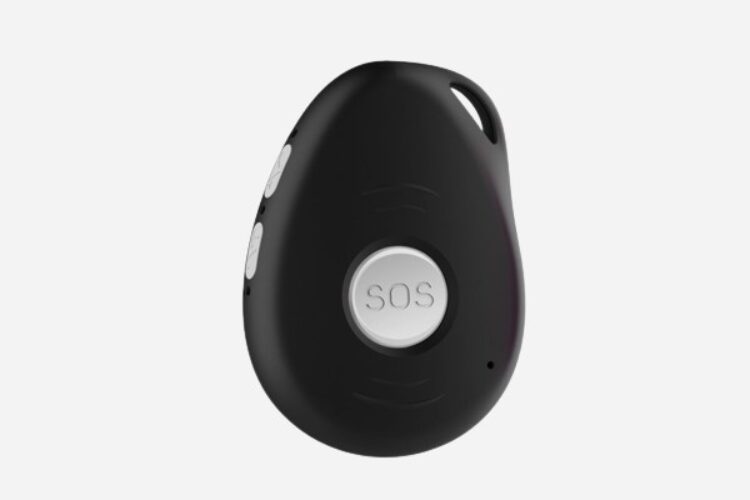
Fun Fact: Did you know that the concept of a personal emergency alarm dates back to the 1970s? What started as a simple push-button device has evolved into sophisticated systems with GPS tracking, fall detection, and even voice activation. Talk about a glow-up!
The Bigger Picture: Living Your Best Life, Safely
Ultimately, a medical alert system is more than just a piece of tech; it's a commitment to safety, independence, and peace of mind for you and your loved ones. It's about knowing that if a "whoops!" moment happens, help is just seconds away. It allows you to focus on the joy of daily life, whether that's gardening, enjoying a book, or simply savoring a cup of tea on the porch, without a constant undertone of worry.
So, take a moment to explore your Aetna options. Making informed choices about your health and safety tools is one of the kindest things you can do for yourself and those who care about you. Here's to living vibrantly and securely, knowing you've got your bases covered!