Does A Gas Stove Emit Carbon Monoxide

Hey there, fellow home chef! Ever stood over your gas stove, watching that beautiful blue flame, and had a little voice in the back of your head whisper, "Is this thing... trying to slowly poison me?" No? Just me? Okay, well, either way, you're in good company, because today we're tackling a question that's probably crossed a few minds: does a gas stove emit carbon monoxide?
Let's dive in with a sigh of relief, shall we? Because the short answer, for a well-maintained and properly functioning gas stove, is usually a resounding "not significantly enough to worry about!" Phew! You can go back to perfecting that soufflé without immediate panic. But like any good plot twist, there's always a "but."
The "Happy" Stove: When Everything's Hunky-Dory
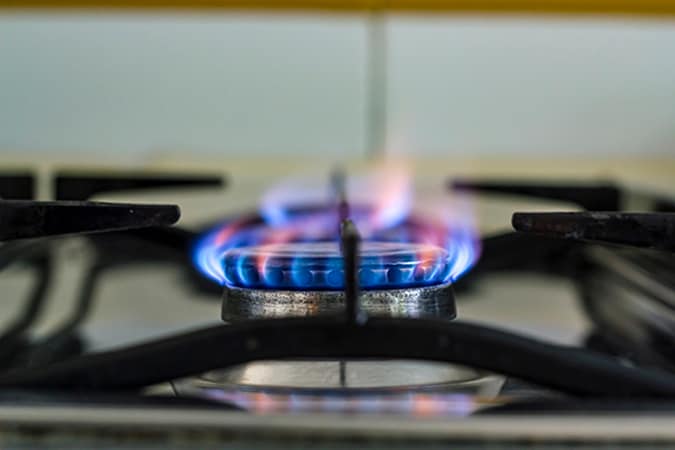
Think of your gas stove like a happy little dragon. When it's breathing fire correctly, it's efficient. When natural gas (or propane) burns completely, it produces mostly carbon dioxide (CO2) and water vapor. You know, the stuff you exhale and steamy windows – pretty harmless stuff in normal kitchen quantities. The flame should be a vibrant, steady blue. That's your stove's way of saying, "I'm doing my job, boss!"
Must Read
This complete combustion means the gas is getting all the oxygen it needs to burn cleanly. It's like a perfectly choreographed dance between fuel and air, resulting in minimal nasties.
The "Uh-Oh" Stove: When Things Get a Little Gassy
Now, here's where carbon monoxide (CO) sneaks into the conversation. Carbon monoxide is a byproduct of incomplete combustion. This happens when your stove isn't getting enough oxygen to burn the gas cleanly, or something's a bit off with its internal workings. It's like our little dragon is a bit congested and sputtering.

And why do we care about CO? Because it's the ultimate ninja. It's a colorless, odorless, tasteless gas. You can't see it, you can't smell it, you can't taste it. Hence its rather ominous nickname: "the silent killer." It basically hogs all the spots on your red blood cells where oxygen should be, leaving your body starved for that vital breath of life.
What Makes a Stove Go Rogue and Emit CO?
So, what turns our happy blue-flame buddy into a CO emitter? A few culprits:

- A Funky Flame: If your gas stove flame is more yellow or orange, or if it's flickering erratically, that's a big flashing sign. It means the gas isn't burning efficiently. Your stove isn't trying to send you a cryptic message in yellow flame Morse code; it's telling you it needs more air!
- Clogged Burners: Food debris, grease, or grime can block the gas ports or air inlets, messing with that perfect fuel-to-air ratio. Time for a little kitchen TLC!
- Poor Ventilation: Even a perfectly functioning stove can contribute to CO buildup if your kitchen is sealed tighter than a drum. Imagine trying to breathe in a very small, stuffy room with a lot of people – eventually, things get unpleasant.
- Old or Malfunctioning Appliances: Like us, appliances age. Parts can wear out, leading to less efficient burning.
Your Anti-CO Action Plan: Be a Kitchen Superhero!
Don't fret! You don't need to ditch your gas stove and switch to cooking over a campfire (unless that's your vibe, no judgment here!). You just need a few simple superhero moves:
- Ventilation is Your Best Friend: This is the big one! Always, always use your range hood or exhaust fan when cooking. If you don't have one, crack open a window. Let that fresh air circulate! It whisks away all those cooking byproducts, including any potential CO.
- Keep it Clean: Regularly clean your burners and the area around them. Remove any food spills or grease that could interfere with the flame. A happy, clean stove is a safe stove.
- Eye on the Flame: Get into the habit of checking your flame. Is it blue and steady? Great! If it's yellow, orange, or just looks "off," it might be time for a professional to take a peek.
- The Ultimate Sidekick: A Carbon Monoxide Detector! Seriously, if you have a gas stove (or any fuel-burning appliance), a CO detector is a non-negotiable must-have. These little gadgets are your invisible guardian angels. They'll sound an alarm if CO levels get too high, giving you precious time to act. Install one on every level of your home, especially near sleeping areas and in the kitchen.
Cook On, You Magnificent Culinary Beast!
So, can a gas stove emit carbon monoxide? Yes, under certain conditions. But with a little awareness, proper maintenance, and the trusty help of a CO detector, you can keep your kitchen a safe and happy place for all your culinary adventures.
Go forth and create those delicious meals, bake those cookies, and simmer those sauces! Your gas stove is a fantastic tool, and with these simple precautions, you can enjoy it with peace of mind. Now, what's for dinner? I'm suddenly craving something cooked with a perfectly blue flame!