
Does A Gas Oven Give Off Carbon Monoxide
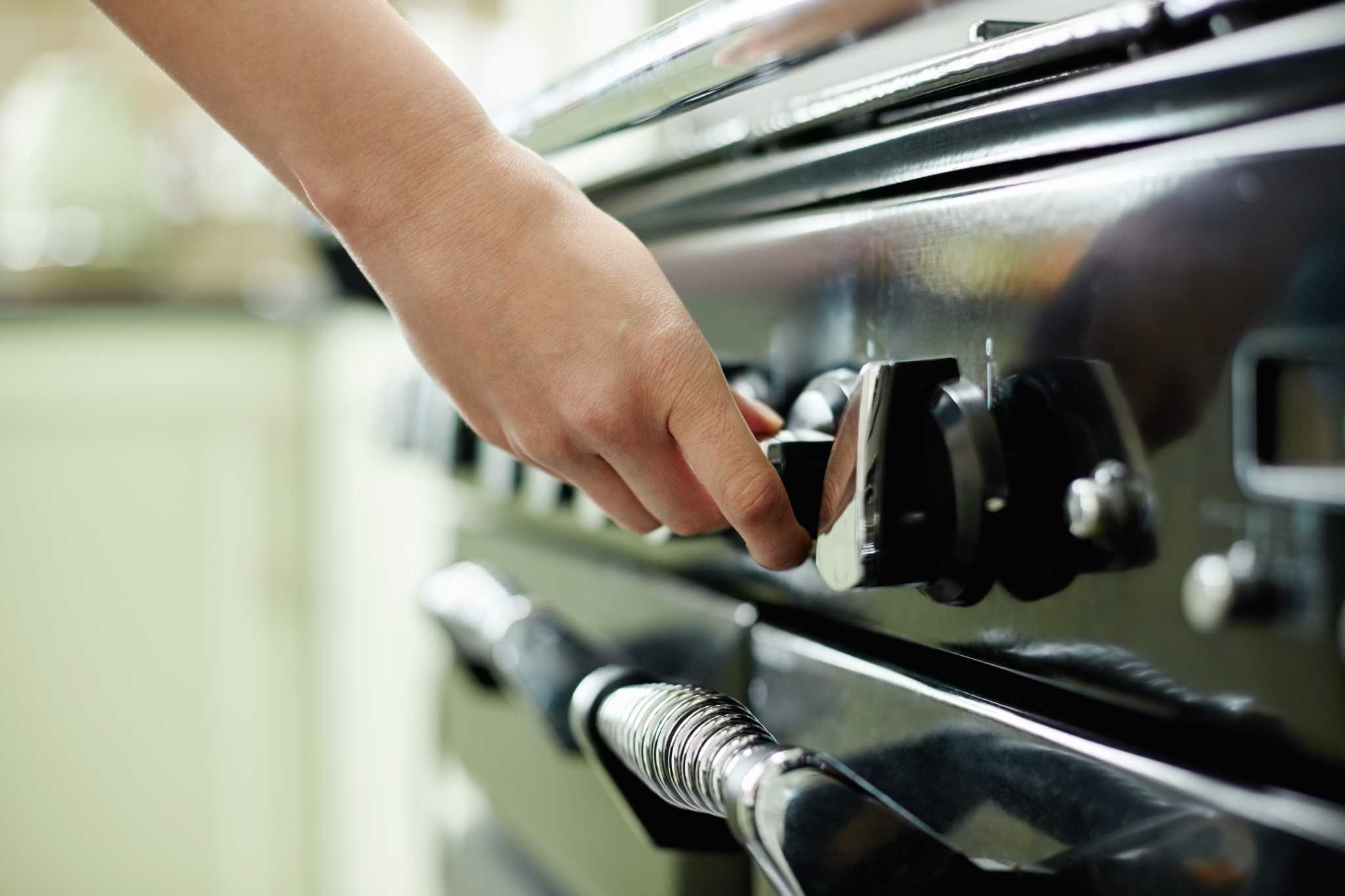
Alright, confession time. One late night, baking sourdough, I caught a whiff of something… different. My overthinking brain immediately went into full-blown panic. Burnt flour? Or sinister? Invisible gases, silent killers – my mind conjured all the carbon monoxide horror stories.
That got me thinking: we use gas ovens daily, right? But what's happening behind that glass door? Does a gas oven give off that spooky-sounding carbon monoxide?
The Lowdown on Carbon Monoxide (CO)
Let's cut to the chase. Carbon monoxide (CO) is truly the stuff of nightmares. It’s a stealth operator: colorless, odorless, tasteless. Produced whenever something burns without enough oxygen – called incomplete combustion.
Must Read
Your gas oven uses natural gas. It ideally combines with oxygen to create heat, water vapor, and CO2. That’s the clean burn. But if there isn’t enough oxygen, or the burner isn’t working right, you get… you guessed it, CO.
So, Does Your Gas Oven Betray You?
Here’s the straight answer, folks: yes, a gas oven can produce carbon monoxide.
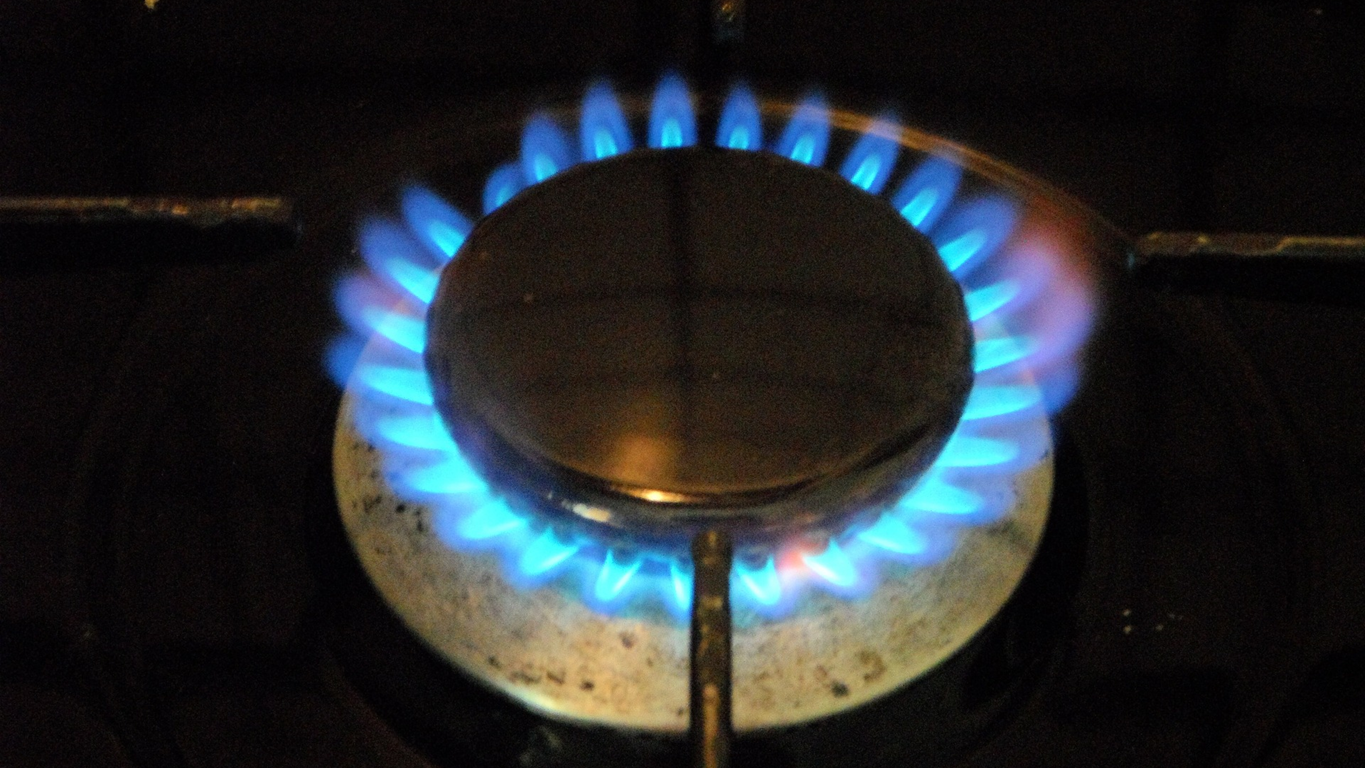
But don't toss your oven out yet! Under normal, properly functioning circumstances, a well-maintained gas oven produces very little carbon monoxide. It’s usually not a concern, especially if your kitchen is reasonably ventilated. Most CO is vented away.
The problem arises when your oven acts up. If gas isn't combusting completely, CO production becomes elevated and potentially dangerous. This could be due to a malfunctioning burner, a blocked vent, grease accumulation, or just old age.

Signs Your Oven Might Be a CO Culprit
Okay, how do you know if your oven is secretly plotting? A few red flags:
- Flame Color: Your gas oven burner should have a crisp, blue flame. Yellow/orange tips or a flickering yellow flame signal incomplete combustion.
- Soot or Stains: Notice black, sooty stains around the burner, inside the oven door, or on pots? That’s unburnt carbon, often a companion of elevated CO.
- Strange Smells: While CO itself is odorless, a malfunctioning appliance might emit other peculiar smells – like sulfur, or a "gassy" odor. If it smells wrong, it probably is.
- Physical Symptoms: This is the scariest. If you or anyone experiences headaches, dizziness, nausea, weakness, confusion, or flu-like symptoms when the oven is on, especially if these disappear when you leave, then get out immediately! These are classic signs of CO poisoning.
Don't Panic, Prepare! Your Action Plan
Alright, don't let this make you a paranoid baker. Preventing CO exposure is doable. Here's your action plan:
1. Get a Carbon Monoxide Detector: Non-negotiable! Your invisible gas bodyguard. Install one on every level, near sleeping areas/kitchen. Test regularly!

2. Professional Inspection: Have your gas appliances, including oven, inspected annually. They spot problems and ensure efficiency. It's a yearly health check-up.
3. Ventilation is Your Friend: Always use your range hood fan when cooking with gas. If no hood, crack a window. Fresh air helps immensely. (Bonus tip: Never use your gas oven to heat your home. Huge no-no!)

4. Observe Your Flames: Take a peek. Are they blue and steady? Good. If jaundiced, call for service.
5. Keep it Clean: Grease or food debris can impede combustion or block vents. A clean oven is a happy, safer oven.
So, there you have it. While a gas oven can produce carbon monoxide, it's generally not a major concern if you're proactive about maintenance and safety. Stay informed, vigilant, keep those CO detectors chirping. Happy baking, and may your flames always be blue!