
Does A Dryer Produce Carbon Monoxide

Alright, let’s talk laundry! That wonderful, magical machine that transforms soggy piles into warm, fluffy clouds of goodness. We've all been there, wondering about the hidden secrets of our household appliances, right?
Today, we're diving into a question that might pop into your head while folding a pile of fresh-smelling towels: "Does my dryer produce carbon monoxide?"
And let me tell you, this isn't some boring science lesson. We're on a thrilling quest to uncover the truth, with a dash of fun and a sprinkle of reassurance!
Must Read
The Electric Dryer: A True Superhero!
First up, let’s give a massive cheer for the electric dryer! If your dryer plugs into a standard electrical outlet and uses no gas, then congratulations!
You've got a champion on your hands that absolutely, positively, does not produce carbon monoxide. Not a single whimper of it!
Think of it as the ultimate clean energy warrior of your laundry room, drying your clothes with pure, unadulterated electric power.
It’s like a giant, warm hug for your socks, transforming dampness into pure coziness without any fiery combustion involved.
No flames, no fumes, just good old-fashioned electrical wizardry turning water into vapor and leaving you with wonderfully fresh clothes.
So, for all you electric dryer owners out there, you can breathe a giant sigh of relief. Your laundry day is truly a CO-free zone!
You're basically living the dream, enjoying the sweet scent of clean laundry without a worry in the world about this invisible gas.
Gas Dryers: The Plot Thickens (But Don't Panic!)
Now, let's turn our attention to the other main character in our laundry saga: the gas dryer. These trusty machines operate a little differently.
Instead of just electricity, they use a small gas burner to generate the heat needed to dry your clothes. Think of it like a tiny, controlled campfire inside.
Because gas is involved in a combustion process, this is where the conversation about carbon monoxide gets a bit more nuanced.
But here's the crucial part: a gas dryer, when working correctly and installed properly, is designed to be perfectly safe.
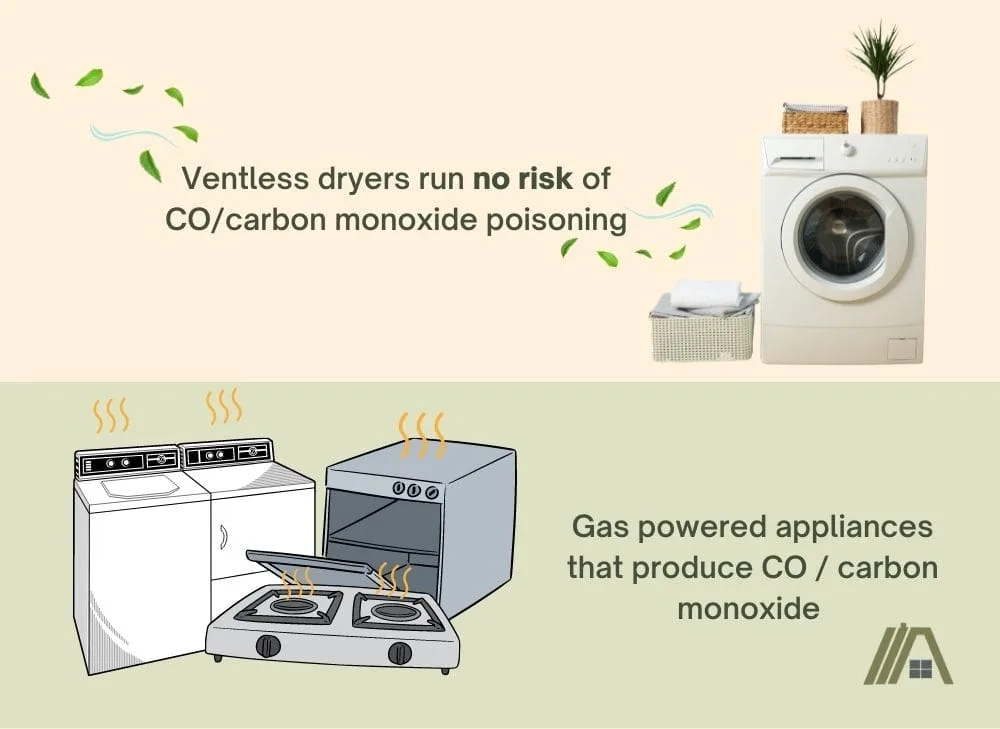
Its job is to efficiently burn gas and then vent all those combustion byproducts, including any trace amounts of carbon monoxide, safely out of your home.
It's like having a tiny dragon in your laundry room, but a very well-behaved one with a super efficient exhaust system!
Unmasking the Villain: What is Carbon Monoxide Anyway?
Let's take a quick detour to understand our "villain," carbon monoxide, or CO for short.
It's often called the silent killer, which sounds terrifying, but understanding it helps us stay safe.
CO is a colorless, odorless, and tasteless gas, making it incredibly sneaky. You can’t see it, smell it, or taste it, which is why it's so dangerous.
It forms when fuels like natural gas, propane, or gasoline don't burn completely. Think of a campfire that's smoldering rather than burning brightly.
In the context of your gas dryer, if something goes wrong and the gas doesn't burn cleanly, or if the exhaust system fails, then CO can become a problem.
Remember: Carbon Monoxide is a byproduct of incomplete combustion. When things burn properly, it's generally not an issue for appliances designed to vent.
The Exhaust System: Your Dryer's Safety Net
Every gas dryer has a critical component often called the vent or exhaust system. This is its lifeline, its superpower against CO!
This system is a duct that routes all the hot, moist air, and any combustion gases, from inside the dryer to the great outdoors.
It's like the chimney for a fireplace, ensuring that smoke and unwanted gases don't hang around inside your cozy home.
A properly installed and maintained dryer vent is the absolute key to keeping any potential CO issues at bay.

It's a marvel of engineering, quietly doing its job, day in and day out, so you can enjoy fresh-smelling clothes.
When this exhaust system is clear and unobstructed, your gas dryer is a happy, safe, and efficient appliance.
When Our Hero's Cape Gets Snagged: The Silent Danger
So, when does a gas dryer, our usually reliable friend, potentially become a source of carbon monoxide?
It’s when its vital exhaust system gets clogged, blocked, or damaged. This is where the danger truly lies.
Imagine your dryer trying to "exhale" all the byproducts of combustion, but its "mouth" is covered by a mountain of lint!
When the exhaust can't escape properly, those gases, including carbon monoxide, can back up into your laundry room and home.
Another culprit can be a faulty burner that isn't burning the gas completely, or a cracked heat exchanger that allows CO to seep out.
It's like a tiny, well-meaning machine suddenly developing a mischievous streak because its escape route is blocked.
This is why vigilance and proper maintenance are not just good ideas, they are absolutely essential for gas dryer owners.
Your Superpower: Spotting the Signs!
You might not be able to see or smell carbon monoxide, but your home and your dryer might give you subtle clues.
If your clothes are taking an unusually long time to dry, it could be a sign that your vent is clogged, hindering proper exhaust.
A burning smell, or a strange, chemical odor coming from your dryer, is definitely a red flag that something isn't right.

Also, if you notice a pilot light that frequently goes out, or an unusual yellowish or orange flame (instead of blue), that’s a big hint!
Feeling dizzy, nauseous, or experiencing headaches when the dryer is running could also be symptoms of CO poisoning. Take these seriously!
These are your superpowers, your ability to detect when your dryer might be whispering for help.
If you ever suspect a problem, especially concerning fumes or strange smells, always prioritize safety. Open windows and evacuate immediately!
Keeping Your Laundry Lair Safe: Tips & Tricks
Fear not, brave laundry adventurer! There are super simple steps you can take to ensure your gas dryer remains a safe and happy appliance.
First and foremost: Get a Carbon Monoxide Detector! This is your ultimate bodyguard against the invisible threat.
Place detectors near sleeping areas and on every level of your home, especially if you have gas appliances.
Secondly, make lint trap cleaning a sacred ritual. Every single load, clear out that lint trap. It's not just for fire prevention, but for efficient venting too!
Regularly check your dryer's exhaust vent outside your home. Make sure it's not blocked by bird nests, snow, or overgrown bushes.
Consider scheduling a professional dryer vent cleaning at least once a year. These pros have the tools to get deep into the ducts.
They can clear out all the gunk that accumulates over time, ensuring a smooth pathway for all those combustion byproducts.
And speaking of professionals, have your gas dryer inspected by a qualified technician periodically. They can check the burner, the vent connections, and the overall health of your appliance.

It's like a regular check-up for your laundry room superhero, ensuring it stays in tip-top shape and continues to fight the good fight.
Ensure that the area around your dryer is well-ventilated and not crammed with boxes or other items that could obstruct airflow.
Remember, a little proactive maintenance goes a long, long way in keeping your home and family safe and sound.
The Grand Finale: Breathe Easy, Enjoy Fresh Laundry!
So, what’s the big takeaway from our adventure today? Electric dryers are inherently CO-free champions, no worries there!
Gas dryers, while requiring a bit more vigilance, are perfectly safe when they're installed correctly and kept in good working order.
The key to gas dryer safety lies in its proper venting and consistent maintenance. Think of it as giving your dryer a regular spa day!
With a little awareness, some simple safety habits, and a trusty carbon monoxide detector by your side, you can banish all worries.
Go forth and tumble your clothes with confidence, knowing you've armed yourself with knowledge and empowered your home.
That fresh laundry smell? It's the scent of safety, cleanliness, and peace of mind. Enjoy every fluffy, warm moment!
Your laundry room doesn't have to be a place of mystery or concern. It can be a haven of warmth and efficiency.
So crank up that dryer, pull out those wonderfully soft clothes, and give yourself a pat on the back for being an informed homeowner.
Now, if you'll excuse me, I think I hear my own laundry calling for some much-needed fluffy attention!