
Do You Need Carbon Monoxide Detector

Hey there, friend! Grab a mug, settle in. We need to chat about something that, honestly, most of us probably don't think about until someone brings it up. And even then, it's like, "Yeah, yeah, a carbon monoxide detector... do I really need one?"
Spoiler alert: The answer is almost certainly a resounding YES. Like, bolded and underlined and flashing neon lights yes. But let's dive into the why, because it's not as obvious as, say, a smoke detector screaming at you for burning toast (we've all been there, right?).
So, What Even Is Carbon Monoxide?
Okay, first things first. Carbon monoxide, or CO as the cool kids call it, is a real sneaky villain. Think of it as the ninja of dangerous gases. It's invisible. It's odorless. It's tasteless. You literally cannot detect it with your human superpowers. Zero, zip, nada.
Must Read
And that's why it's so incredibly dangerous. You won't smell it filling your home, or see a weird haze. It just... is. And it comes from everyday stuff!
Where Do These Sneaky Ninjas Come From?
Glad you asked! CO is a byproduct of incomplete combustion. Basically, when things burn fuel without enough oxygen, CO is born. And guess what? Lots of things in and around our homes burn fuel!
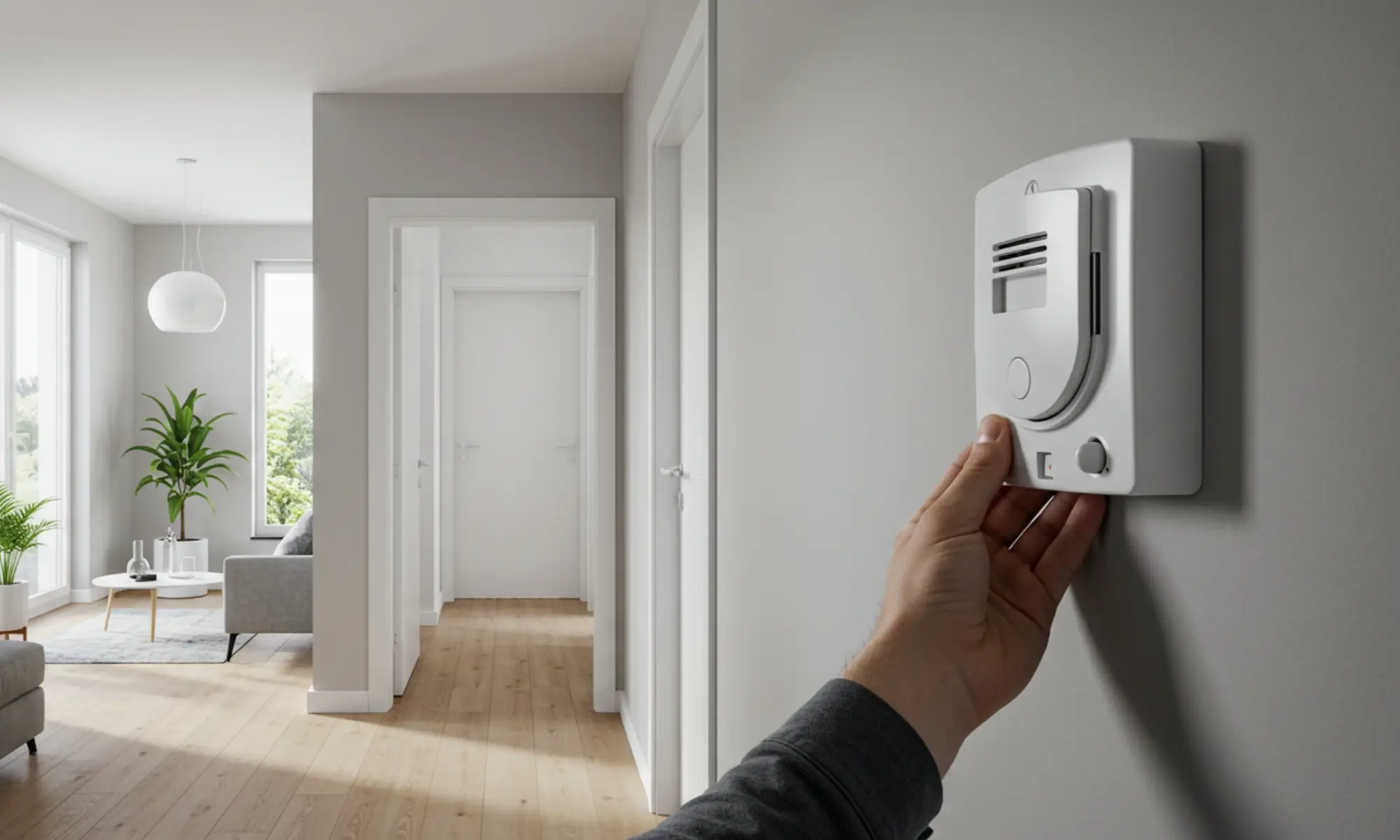
- Your furnace? Yup.
- Your gas water heater? You betcha.
- That cozy gas fireplace or wood stove? Absolutely.
- Gas range or oven? Check.
- Even a clothes dryer or a space heater if they're fuel-burning!
- Oh, and your car in the attached garage? Huge source!
- Grills, generators, power washers... if they burn fuel, they're potential CO producers. And please, for the love of all that is holy, never use these inside. Seriously.
It's not that these things are inherently evil; they just need to vent properly. But if a vent gets blocked, or a system malfunctions, or you're using something incorrectly (like, um, a BBQ indoors... please don't), that CO can back up into your living space. And that's where the trouble starts.
Why Should I Care? (It's Kinda Serious, But We'll Keep It Light!)
Alright, this is the part where I get a little less playful, but only because I care about your lovely brain cells! When you breathe in CO, it's a real jerk to your blood. It basically muscles out the oxygen your body needs, latching onto your red blood cells like a clingy ex. This means your vital organs – hello, brain and heart! – start getting starved for oxygen.
The symptoms? Super tricky because they often mimic the flu. Think headache, dizziness, nausea, fatigue. You might just feel "under the weather." But unlike the flu, CO poisoning can lead to confusion, disorientation, passing out, and, well, in severe cases, it can be fatal. And because you're often exposed while sleeping, you might never wake up. Gulp.
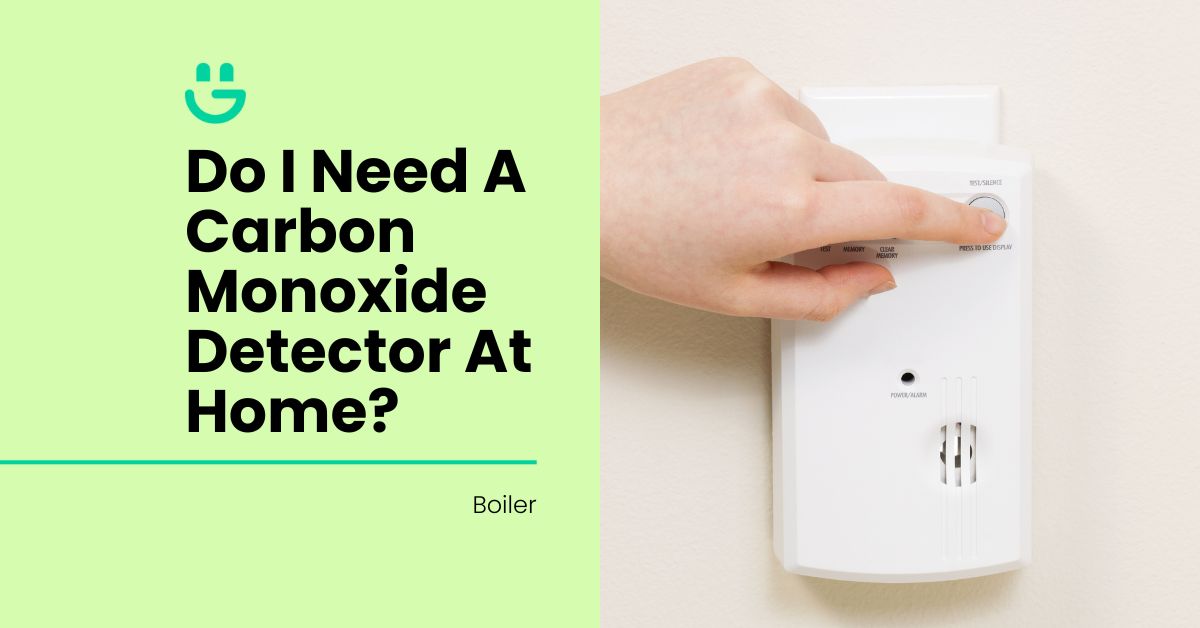
See? It's not a "maybe" situation. It's a "let's be proactive and smart" situation.
Okay, Okay, I'm Convinced. So, Where Do I Put This Thing?
Excellent question! You're catching on quickly. Think of them like tiny, silent guardian angels. Generally, you want a CO detector on every level of your home, especially near sleeping areas. Why near bedrooms? Because, as we just discussed, you might not notice the symptoms when you're snoozing.
If you have an attached garage, definitely put one there, or right outside the door leading into your house. Some people even put them near their fuel-burning appliances, but the priority is certainly the sleeping zones.

And definitely read the manufacturer's instructions! They'll have the most precise advice for your specific model. But rule of thumb: eye level, not too close to a window or vent, and definitely not tucked away in a cupboard where it can't "hear" the CO.
How Many Do I Need? And What Kind?
The more, the merrier, honestly. As mentioned, at least one on each level, and ideally one inside or just outside each sleeping area. If you've got a sprawling ranch house, consider more. For apartment dwellers, if you have gas appliances or an attached garage, still absolutely get one! And what if your neighbor has a gas stove or furnace? CO can sometimes seep through walls, especially in older buildings. Better safe than sorry, right?
As for kinds, you've got options:
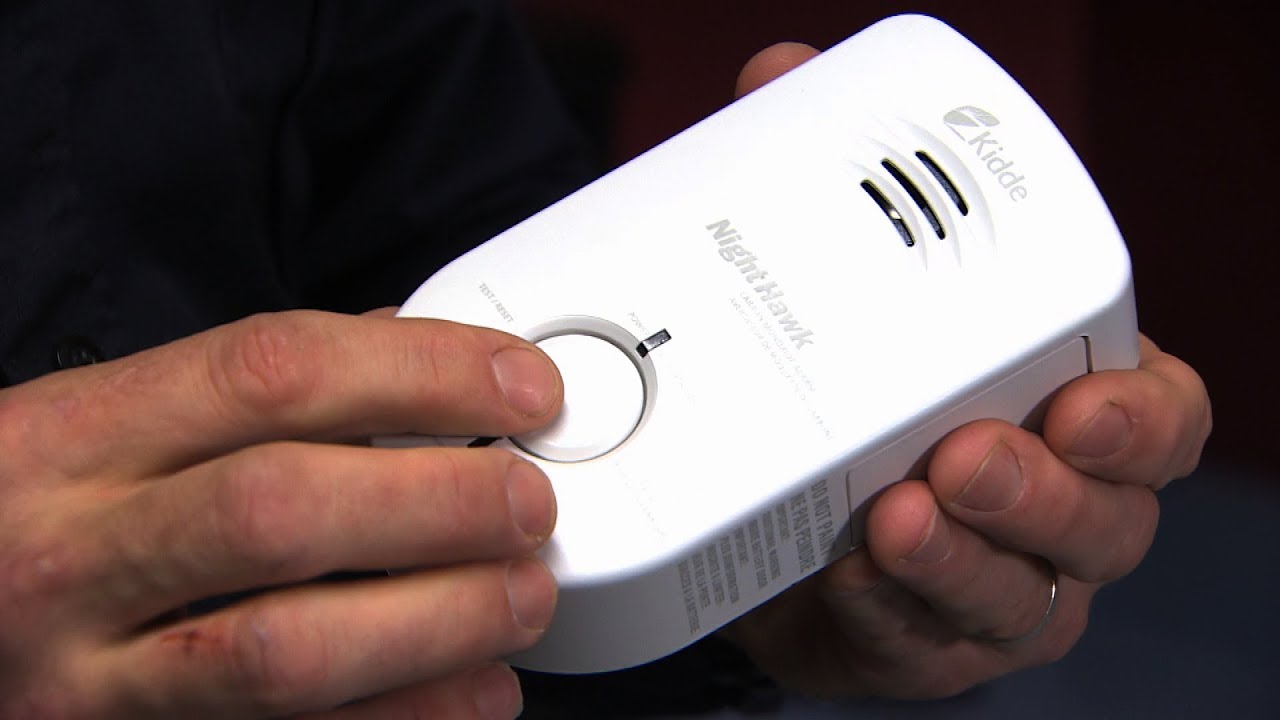
- Battery-operated: Super easy to install, just stick 'em up. Remember to change those batteries twice a year, like you do with smoke detectors (or should be!).
- Plug-in with battery backup: Plugs into an outlet, but keeps working if the power goes out. Smart move!
- Hardwired with battery backup: Installed directly into your home's electrical system, often interconnected so if one goes off, they all do. This is usually done during construction or major renovations.
- Combination smoke/CO detectors: Two birds, one stone! Often a great choice, especially for replacing older smoke detectors. Just make sure the CO sensor is at the right height (CO rises slowly, then mixes, so a middle-to-high placement is good; smoke rises fast).
Maintenance? (Yep, Even These Guys Need a Little TLC)
Just like everything else in your home, CO detectors aren't "install and forget." You need to:
- Test them monthly: Most have a "test" button. Press it! Make sure it chirps and screams at you.
- Change batteries: If it's battery-operated or has a backup, follow the manufacturer's guidelines. A good rule of thumb is when you change your clocks for daylight saving.
- Check the expiration date: This is a biggie! CO detectors don't last forever. The sensors wear out over time. They typically have a lifespan of 5-7 years, sometimes 10. There's usually a "replace by" date on the back. Don't ignore it!
The Cost vs. Peace of Mind Debate (It's Not Really a Debate)
Honestly, a basic CO detector costs less than a decent dinner out. We're talking maybe $20-$50 for a good quality one. When you weigh that against the potential cost of, you know, your life or the health of your family... it's a no-brainer, right? It's like an insurance policy for your air, and it's probably one of the cheapest and most effective ones you'll ever buy.
So, do you need a carbon monoxide detector? If you've got a pulse and live in a home with any kind of fuel-burning appliance or an attached garage, then absolutely, unequivocally, yes! It's a simple, inexpensive step that could truly save your life, or the lives of those you love. Go on, add it to your shopping list. Your lungs (and your peace of mind) will thank you!