
Do Stocks Round Up On A Reverse Split

Ever heard of a reverse stock split? Sounds kinda scary, right? Like someone's messing with your investment in a funky way. Well, hold onto your hats, because it's about to get interesting! Today, we're diving into a quirky little detail: What happens to your shares when this reverse split happens? More specifically, do they round up?
The Reverse Split Tango
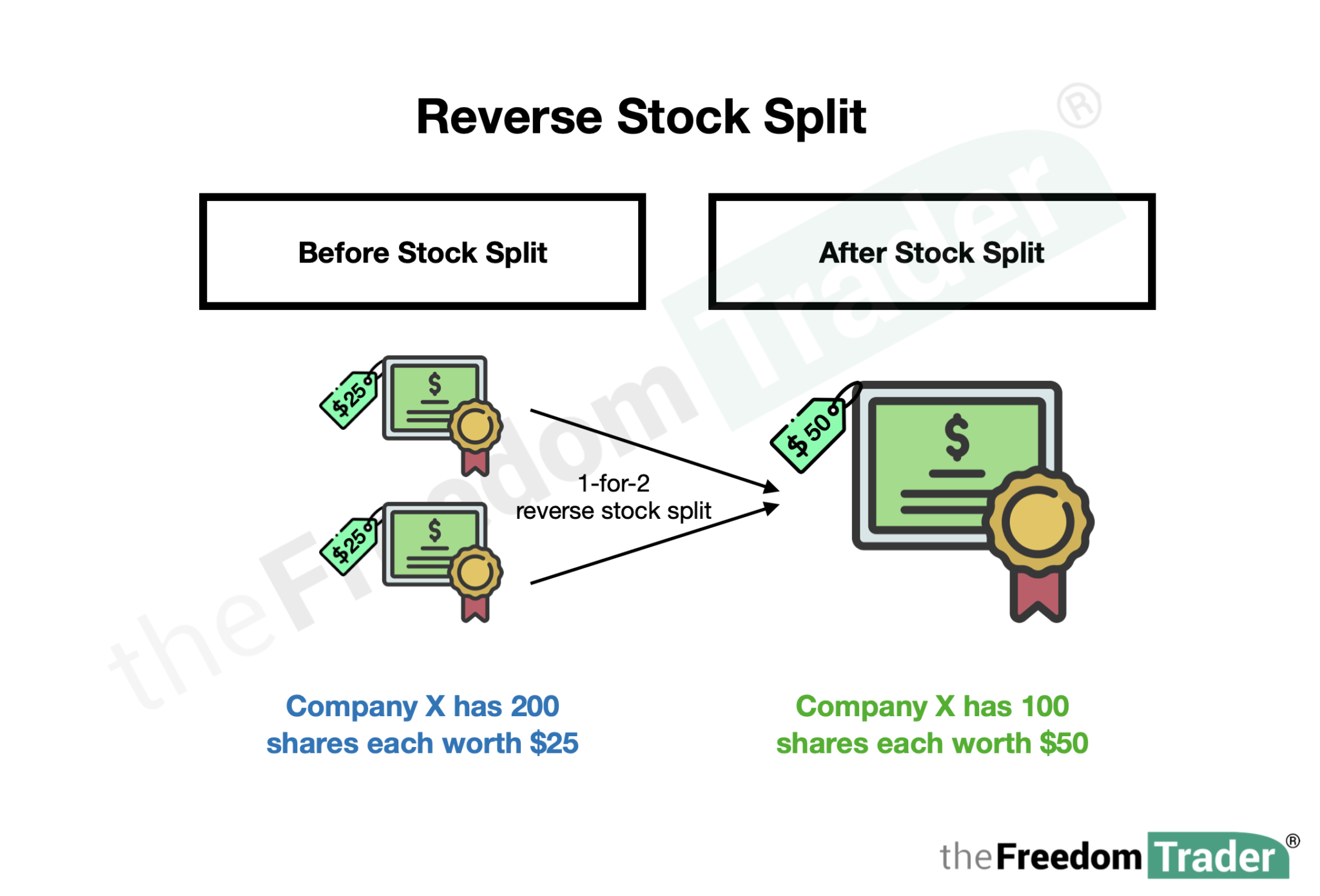
Okay, imagine you own a bunch of shares in a company that's seen better days. Maybe the stock price is hovering around the price of a decent cup of coffee (and not even the fancy, extra-foam kind!). To boost that price, the company does something called a reverse split. Think of it like consolidating all those small dollar bills into a few bigger ones.
So, let's say it's a 1-for-10 reverse split. This means the company takes every 10 shares you own and combines them into 1. You now have fewer shares, but each share is worth more. The whole point is to make the stock look more attractive to investors. It’s like giving your portfolio a makeover!
Must Read
The Rounding Riddle: What About Those Leftovers?
Now, here's where the potential fun (and minor frustration) begins. What if you don't own a perfect multiple of 10 shares? What if you own, say, 11 shares? Or 19? Or 99? This is the burning question: Do you get rounded up to the next whole share after the split?
Sadly, no, in most cases, you won’t get rounded up. Think about it – if companies started rounding up everyone’s shares, it would change the total number of shares outstanding. That would throw everything off and make the whole thing… well, messy.
Instead, what usually happens is that you end up with a fractional share. That's right, a little piece of a share. It's like ordering a pizza and getting just one tiny, triangular sliver.
Fractional Fun (Kind Of)
So, what happens to your fractional share? Don't worry, the company isn't going to send you a tiny stock certificate. (Although, wouldn't that be a cool collector's item?).

Instead, the company will usually sell all those leftover fractional shares on the open market. Then, they'll send you the cash equivalent for your little sliver of stock. It might not be much, but hey, it's something! Think of it as pocket change from the stock market.
It's crucial to check with your broker to understand their specific policy on fractional shares after a reverse split. Some brokers might handle it slightly differently, although selling for cash is the most common approach.

Why All the Fuss?
Okay, so maybe the rounding issue isn't the most earth-shattering topic in the financial world. But it highlights something important about the stock market: details matter! And even seemingly small events like reverse splits can have unexpected consequences for your investments.
Plus, let's be honest, the idea of owning a fraction of a share is kind of amusing. It's like you're part-owner of a company, just not a very big part.
The Entertainment Factor
Ultimately, understanding the nuances of reverse splits – including the rounding of shares – adds another layer to the fascinating (and sometimes bizarre) world of the stock market. It's a reminder that behind all the numbers and charts, there are real companies, real people, and real-world events that can impact your investments.
So, the next time you hear about a reverse stock split, don't just glaze over. Dive into the details! See what's happening with those fractional shares. You might just learn something new and find a little bit of amusement along the way. And who knows, maybe you'll even get enough cash for that fancy, extra-foam coffee!
Remember to consult with a financial advisor before making any investment decisions. Investing involves risk, and past performance is not indicative of future results. Happy investing!