
Do Smoke Detectors Have To Be Hard Wired
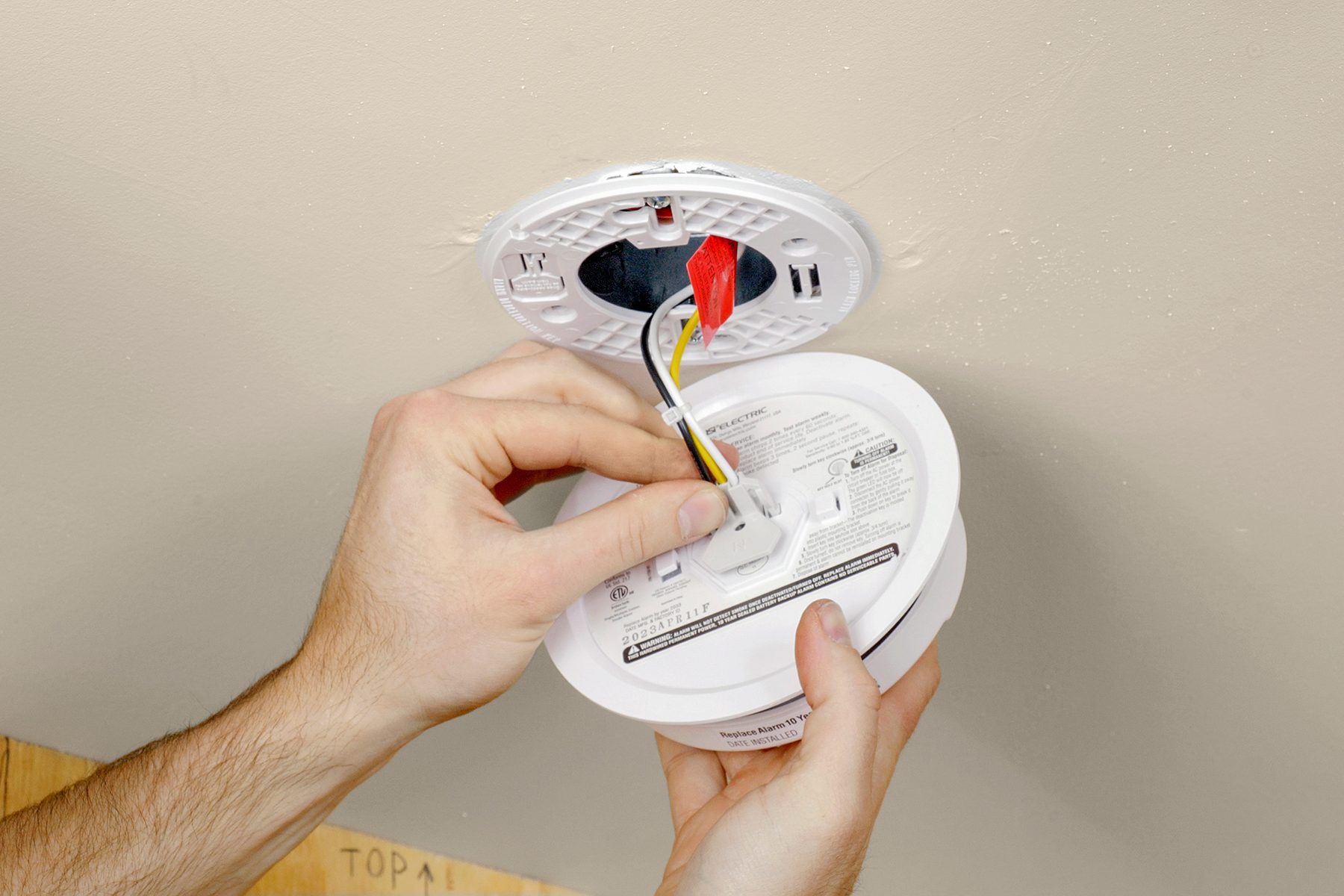
Ever stared up at that little white disc on your ceiling? You know, the one that stands guard, silently judging your cooking skills. We’re talking about smoke detectors, of course! And a super fun question often pops into people’s heads: Do they have to be hard-wired?
It’s a truly captivating mystery, isn't it? Like, what’s the big deal? Can’t they just run on good vibes and positive energy? Turns out, our silent sentinels have a bit more going on than you might think.
The Great Debate: Hard-Wired vs. Battery
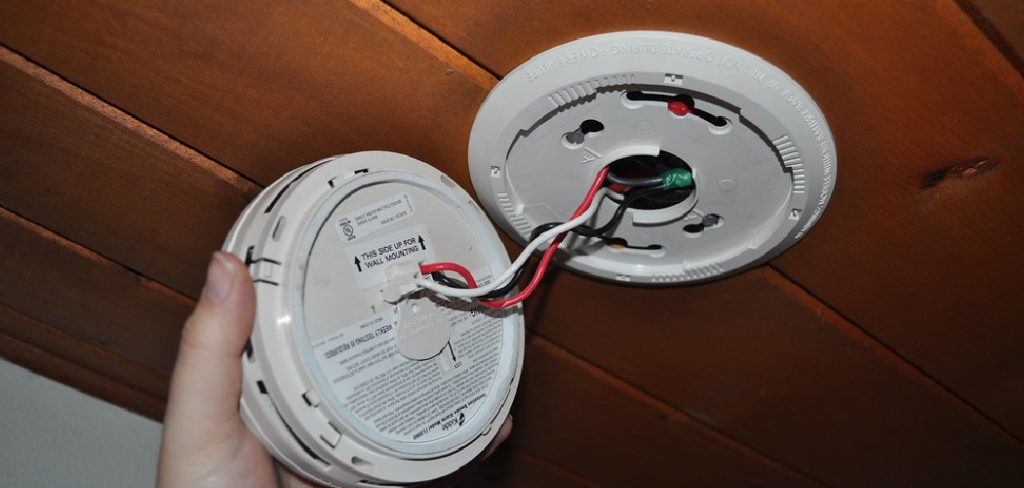
Let’s dive straight into the juicy stuff. You essentially have two main contenders in the smoke detector arena. On one side, we have the hard-wired champions. These guys are hooked directly into your home’s electrical system. They're like the steadfast, reliable members of the family – always there, always on, powered by the very pulse of your house.
Must Read
Then, we have the freewheeling, independent battery-operated detectors. They run on their own juice, usually a 9-volt or sometimes even a sealed 10-year lithium battery. These are the rebels, the adventurers, the ones that often announce their presence with a truly memorable sound at 3 AM.
So, which one wins? Is there a reigning monarch of fire safety?
Well, here’s the quirky truth: it absolutely depends!
Yes, I know, thrilling, right? But stay with me. This is where the plot thickens and the fun really begins!
Decoding the Codes (It's Cooler Than It Sounds!)
See, building codes are like the unspoken rules of the housing universe. They dictate a lot of stuff, including your smoke detectors. And these codes vary. They change based on where you live. State to state, city to city, even county to county!
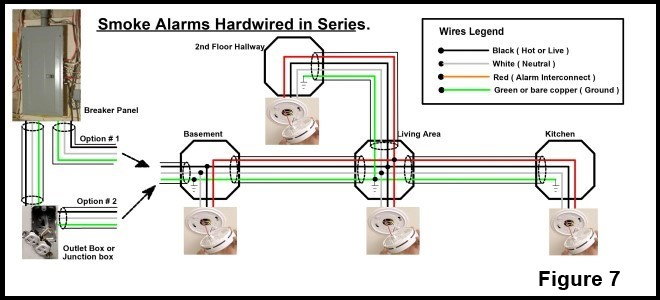
If you're building a brand-spanking-new home today, chances are the codes will insist on hard-wired smoke detectors. And not just any hard-wired ones! They often demand they be interconnected. What’s that mean?
Imagine a secret communication network! If one interconnected hard-wired detector senses smoke in the basement, it immediately tells all the other detectors in your house to blare their alarms. It’s like a tiny, urgent party line for fire safety. Pretty neat, right? No detector gets left behind!
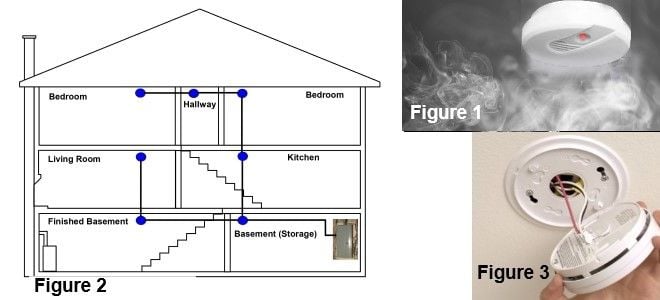
This interconnectedness is a huge safety boost. It gives everyone precious extra seconds to escape. It’s a team effort, and we love a good team.
The Charming Chirp of the Battery-Powered Rebel
But what about those battery-only heroes? Are they obsolete? Not at all! They’re still super important, especially in older homes or for supplemental coverage.
Think about a house built way back when hard-wiring every smoke detector wasn’t standard practice. Tearing down walls to wire them all up can be a massive headache and expense. In these scenarios, battery-powered detectors are a fantastic solution. They offer vital protection without turning your home into a construction zone.
And let's be honest, they bring a certain drama to our lives. That infamous chirp. The high-pitched, insistent little beep that always, always starts in the middle of the night. It's usually a dying battery crying for help. It’s a universal experience! The desperate search for a step ladder, the fumbling with a new battery, the triumphant silence afterward. It’s a ritual, a rite of passage for every homeowner.
That chirp isn’t just annoying; it’s a quirky reminder that something small and vital needs your attention. It's practically a pet, just without the fur.
Why This Is Actually Fun (No, Really!)
Okay, so why is this topic "fun"? Because it connects us to our homes in a microscopic, yet crucial, way. It’s about understanding the hidden guardians within our walls. It’s about being aware.
Did you know smoke detectors have an expiration date? Yep! They don't last forever, usually about 10 years. After a decade, their sensors get a bit tired, a bit less responsive. So, whether hard-wired or battery, they’ll need replacing. It’s like a little birthday present for your home's safety system!
And thinking about the "hard-wired vs. battery" question actually sparks curiosity. It makes you look at your own ceiling discs differently. Are they blinking? Do they have a little test button? Are they dusty? (Probably. Go clean them! It helps them work better!).

So, What's the Takeaway?
Ultimately, the answer to "Do smoke detectors have to be hard-wired?" is a resounding: check your local codes!
For new construction, absolutely. For major renovations, probably. For existing homes, a mix of hard-wired (if present) and well-maintained battery units is often perfectly acceptable and incredibly smart.
The main goal, no matter the power source, is functional, properly placed, and regularly tested smoke detectors. Push that test button once a month! It makes a noise, yes, but it’s a comforting noise, a "Yep, I'm here!" signal.
So, next time you glance at that little disc, give it a silent nod of appreciation. Whether it’s hard-wired into the very fabric of your home or just quietly chugging along on a battery, it’s there for you. And that, my friend, is a pretty fun and reassuring thought!