
Do Smart Lights Use More Electricity
Ever wondered if those super cool, futuristic smart lights are secretly plotting against your electricity bill? It’s a totally fair question to ask! You get all this amazing control, dimming, colors, and automation, and a tiny voice in your head might whisper, "Surely, all this magic must be sucking down extra power, right?"
Well, get ready to feel genuinely good about your clever choices, because we're about to bust that myth wide open! Instead of being energy vampires, smart lights are actually more like tiny, energy-sipping ninjas, quietly working to save you money and brighten your day. It’s pretty brilliant, if we do say so ourselves!
Let's travel back to the "olden days" for a moment, to those chunky, glass incandescent bulbs. Oh, bless their warm, inefficient hearts! Those were the real power guzzlers, merrily converting most of their precious energy into wasted heat, not useful light. It was like trying to run a marathon in a giant, fluffy coat in the desert – utterly inefficient!
Must Read
Then came the CFLs, which were a bit better, but often slow to warm up and not always the prettiest light. They tried their best but never quite hit that perfect mark of instant beauty and efficiency.
Meet the Real Energy Champion: LEDs!
At the very core of almost every fantastic smart light you'll encounter is an LED – a Light Emitting Diode. And let us tell you, LEDs are the undisputed, reigning champions of energy efficiency! They don’t just sip electricity; they practically whisper for it, using hardly any juice at all.
These incredible little light sources convert almost all the electricity they receive directly into pure, beautiful light. Unlike their heat-generating ancestors, LEDs waste hardly any energy, staying cool to the touch. It’s like getting a direct, express flight to your destination instead of a roundabout scenic tour with multiple layovers!
So, right out of the gate, even if you just swapped an old incandescent bulb for a new smart LED bulb and never touched its "smart" features, you’d already be saving a significant chunk of change. Your wallet would genuinely be doing a little happy dance, right there in your pocket!
The "Smart" Part Makes Them Even Smarter for Your Bill!
Now, here's where the real, delightful magic happens and why the "smart" aspect isn't just a fancy gimmick. Think about all those cool features you get with smart lighting. They’re not just incredibly convenient; they're actively working to reduce your overall energy consumption!
Take dimming, for example. How often do you truly need your lights blasting at a full 100% brightness? Probably not as often as you think! With smart lights, you can effortlessly dim them down to a cozy 50%, or even a soft, ambient 10% with just a swipe or a voice command.
"Every time you dim your lights, you’re essentially telling them, 'Hey, just chill out a bit on the electricity, okay?' And like magic, they listen perfectly!"
Less brightness, naturally, means less electricity is being used. It’s wonderfully simple! You get the perfect ambiance for movie night or a relaxing evening, and your energy meter gets a nice, well-deserved break. It’s like having a super-powered dimmer switch that actually pays you back!
Then there's the truly transformative power of scheduling and automation. Have you ever rushed out the door for work, only to be plagued by that nagging doubt halfway down the street: "Did I leave the kitchen light on?!" That little voice of dread can now be silenced forever!
With smart lights, you can set them to turn off automatically at a certain time each morning, or even when your phone leaves the house! No more phantom light ghosts haunting your utility bill for hours on end, merrily lighting up an empty room for no one.
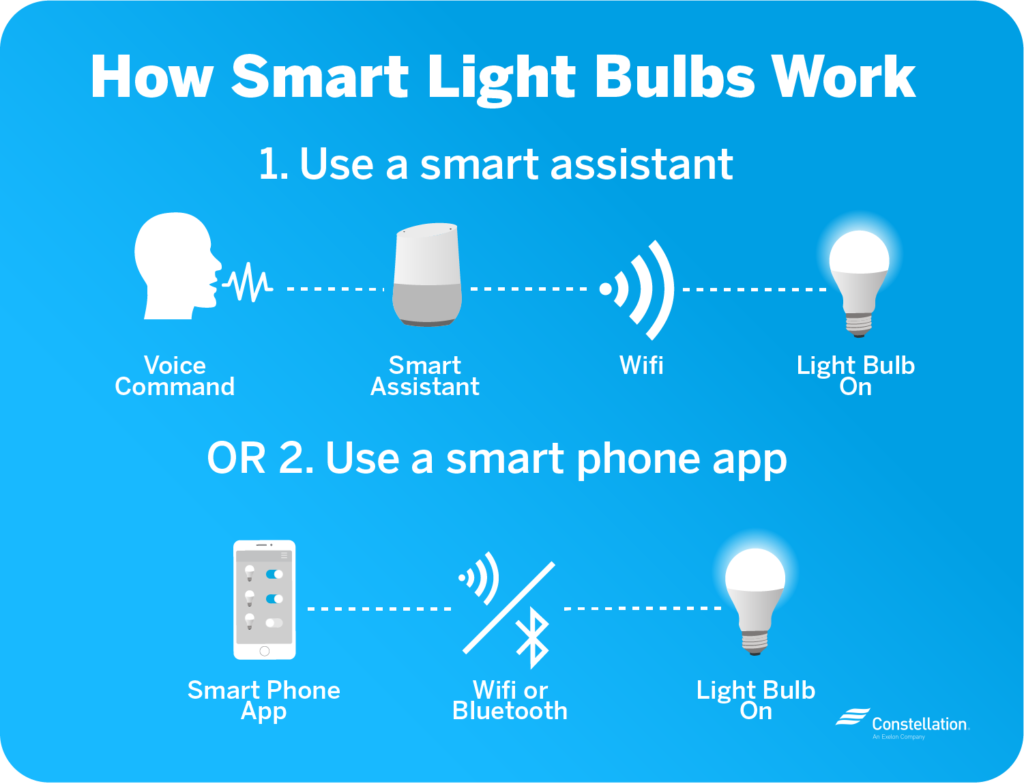
Imagine your lights slowly brightening as your alarm goes off, creating a gentle wake-up call, then gently fading to black as you head out for your morning jog. It’s not just convenient; it’s a brilliant, thoughtful way to ensure no energy is ever wasted unnecessarily.
And what about coming home? Instead of fumbling in the darkness, you can have your lights turn on just as you pull into the driveway, welcoming you home. This means they’re only on exactly when you need them, not an hour before or after your arrival.
Forgot to turn off the living room light after getting comfy on the couch? No problem whatsoever! Just whip out your phone, tap an app, and poof – off they go, effortlessly. It’s a tiny action that swiftly adds up to real, tangible savings over time.
Some advanced smart lighting systems even incorporate clever presence detection or motion sensors. They literally know when you’ve entered a room and, more importantly, when you’ve definitely left! They’ll switch off automatically after a set period, like tiny, polite, and very energy-conscious houseguests.
This level of automation means your lights are working harder, and much smarter, to prevent any wasted energy from ever happening. It's like having a tiny, dedicated, and incredibly efficient energy manager living inside your walls, always on duty for you!
But What About "Always On" Standby Power?
Ah, the classic, clever question! If smart lights are always connected to your Wi-Fi or a hub, aren't they constantly drawing a bit of power, even when "off"? It’s a very reasonable concern to have, and it’s true they draw a tiny, tiny amount.
However, that minuscule amount of standby power is incredibly, astonishingly low. We’re talking about mere milliwatts here! It's so little that it's practically a whisper on your energy meter, hardly even registering when compared to the vast savings from their LED nature and brilliant smart features.
Think of it this way: your TV uses standby power, your coffee maker uses standby power, even your phone charger when not actively charging uses standby power. The standby draw from a single smart light bulb is typically less than most of these everyday gadgets.
"The energy saved from simply dimming your lights or turning them off automatically with a clever schedule will absolutely dwarf the almost-invisible standby power draw by a mile."
It's like worrying about the weight of a single, fluffy feather when you're already carrying a whole suitcase full of heavy bricks. The feather is technically there, but it's clearly not the main event impacting your load or your bill!
Feel Good About Your Smart Choice!
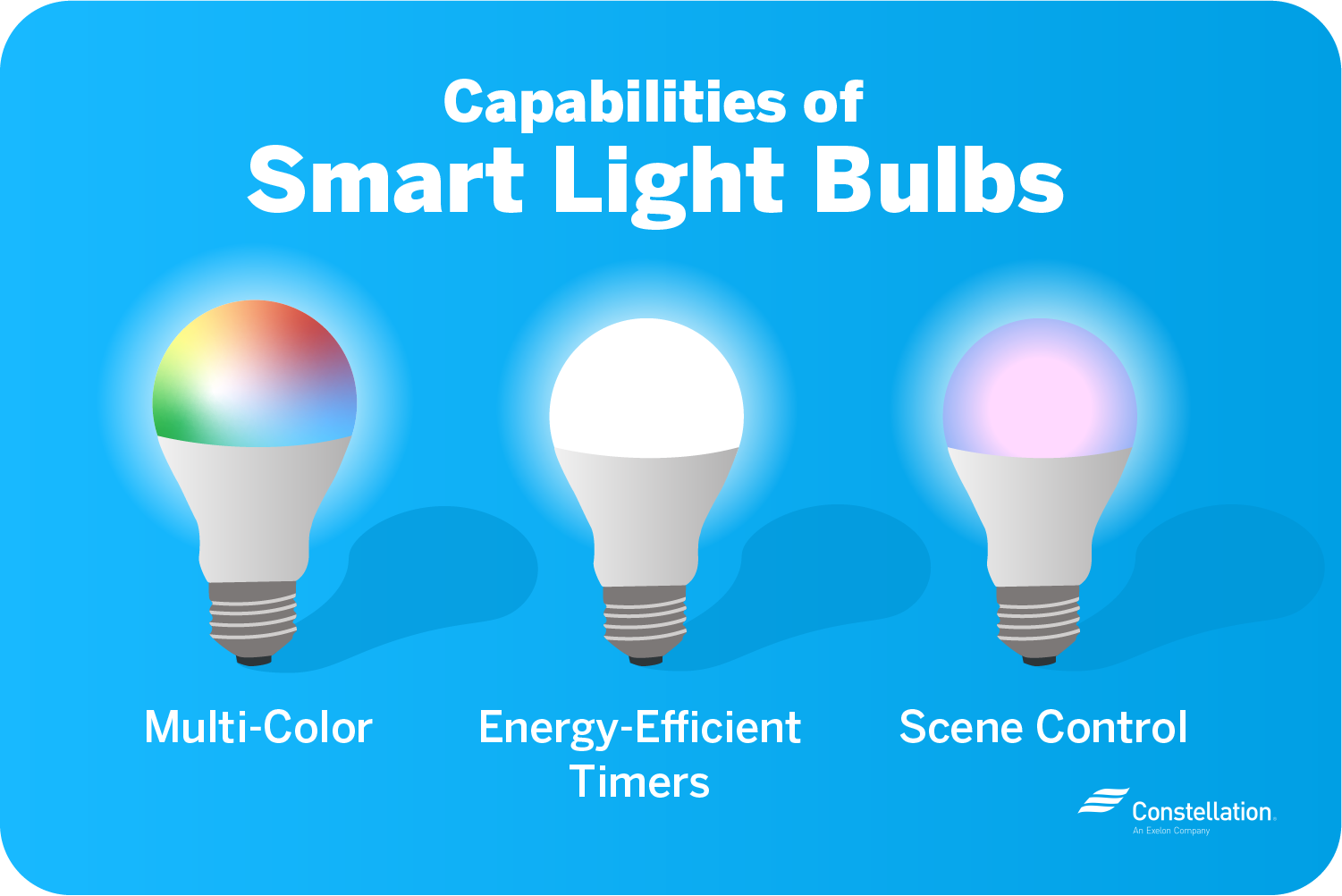
So, let's have a glorious recap! You get awesome, incredibly flexible lighting that completely transforms your home, enhances your mood, and genuinely simplifies your daily life. You can change colors for parties, set the perfect reading light, or just enjoy the sheer convenience of voice control.
And the absolute best part? All this fantastic functionality comes hand-in-hand with significant, tangible energy savings. You're not just buying cool gadgets; you're making a genuinely smart, forward-thinking investment in your home's long-term energy efficiency.
While the initial cost of a single smart light bulb might be a smidge higher than a basic, non-smart LED, the long-term benefits are undeniably worth every penny. They last for years and years, saving you money on replacements and, most importantly, on your delightful monthly utility bill.
Beyond your wallet, you're also giving a well-deserved, little high-five to our beautiful planet. Less overall energy consumption means a noticeably smaller carbon footprint, contributing to a greener, much more sustainable future for everyone. You’re basically an eco-hero without even having to try!
So, next time that tiny whisper of doubt pops up about smart lights and your electricity consumption, just give yourself a proud pat on the back. You’re not just embracing the incredibly cool future of home lighting; you're doing it in the most energy-efficient, money-saving, and absolutely brilliant way possible. Go on, enjoy that intelligent glow!