
Do Portable Air Conditioners Use More Electricity

Let's talk portable air conditioners. Those wonderful, wheeled wonders. They promise cool relief on sweltering days. But there's a nagging question. A question that keeps us up at night, sweating (ironically). Do these little lifesavers secretly drain our bank accounts?
The short answer? Probably. But let's dive into the glorious, slightly-too-technical-for-me details.
The Energy Vampires in Disguise
We all know the main suspects: refrigerators, ovens, those massive TVs we swear we only watch occasionally. But portable ACs? They seem so...innocent. So portable! How much damage can they really do?
Must Read
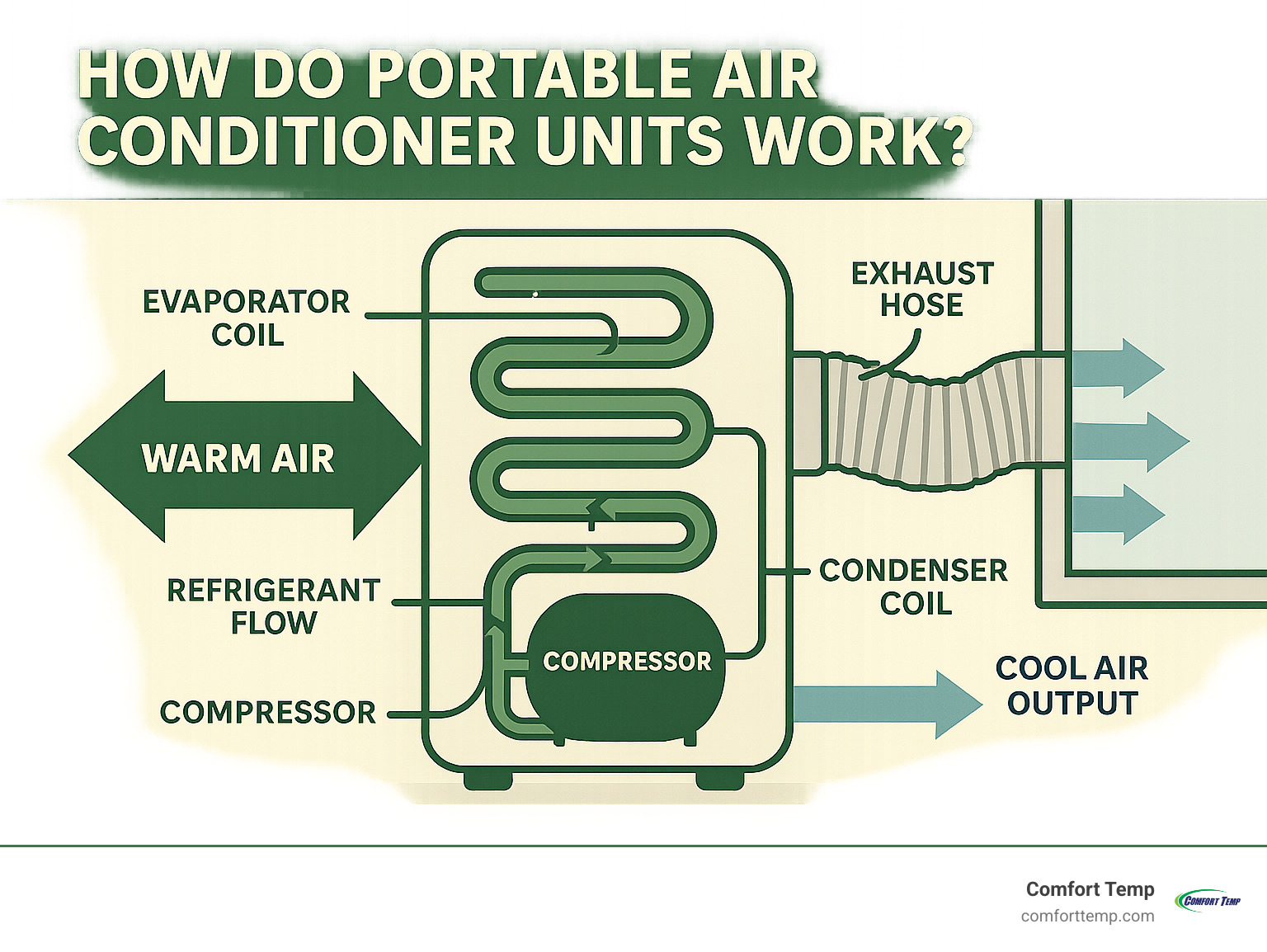
Well, think about it. They're basically miniature window AC units. Crammed into a freestanding body. That body needs to do the same job. Cool the air. Dehumidify. And all that takes juice. Electricity, that is.
The official line is, "It depends on the BTU rating." BTU stands for British Thermal Units. I always imagine tiny, well-dressed Brits shivering or sweating depending on the number. Higher BTU? More cooling power. More cooling power? You guessed it: more electricity consumption.
Here's where my unpopular opinion comes in. I think the "BTU rating" is a conspiracy. A way to make us feel slightly less guilty. Like, "Oh, it's only 8,000 BTU. That's practically nothing!" Meanwhile, the meter is spinning faster than a politician dodging a question.
My (Totally Unscientific) Observations
I've had a few portable ACs in my life. Let me tell you, when they're running, it’s like my electricity bill is on a caffeine bender. It skyrockets! Coincidence? I think not.
My neighbor, bless her heart, claimed her portable AC was "energy-efficient." She even showed me the sticker. I smiled and nodded. But inside, I was thinking, "Honey, energy-efficient is a myth. Like unicorns or affordable healthcare."
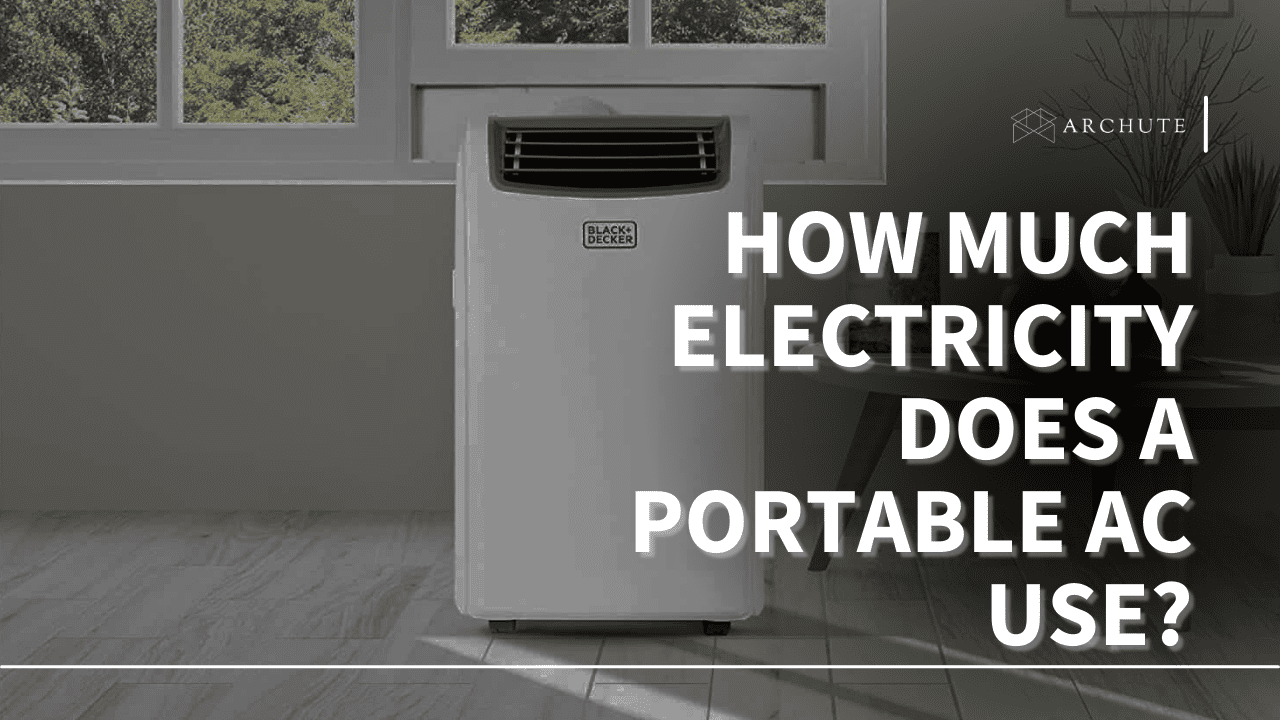
It's not just the BTU thing either. It’s the way they run. My central AC kicks on and off, maintaining a constant temperature. The portable one? It seems to chug away relentlessly. A constant, droning reminder of my impending financial doom. Think of the Polar Vortex. It is not efficient at cooling.
The Leaky Truth: Where the Cold Air Goes
Here’s the kicker. Portable ACs aren’t exactly sealed systems. They have that exhaust hose you stick out the window. That hose is supposed to vent hot air out. But guess what? Hot air is sneaky. It finds a way back in. Creating a perpetual cooling battle.

So, your poor little AC is working overtime. Fighting a losing war against physics. All while racking up your kilowatt-hour count. It's like trying to bail out a sinking boat with a teacup. You're doing something, but are you really getting anywhere?
And that window kit? Oh, that flimsy piece of plastic. It’s about as effective as a screen door on a submarine. Gaps galore! Letting in heat and humidity like they're invited guests. A well-placed towel helps, but still.
The Verdict? It Depends (But Probably Yes)
Okay, okay, I'll admit it. I don’t have concrete, scientific proof that portable ACs are energy hogs. But my gut tells me they are. My electricity bill screams it at me. And my slightly-sweaty brow confirms it.
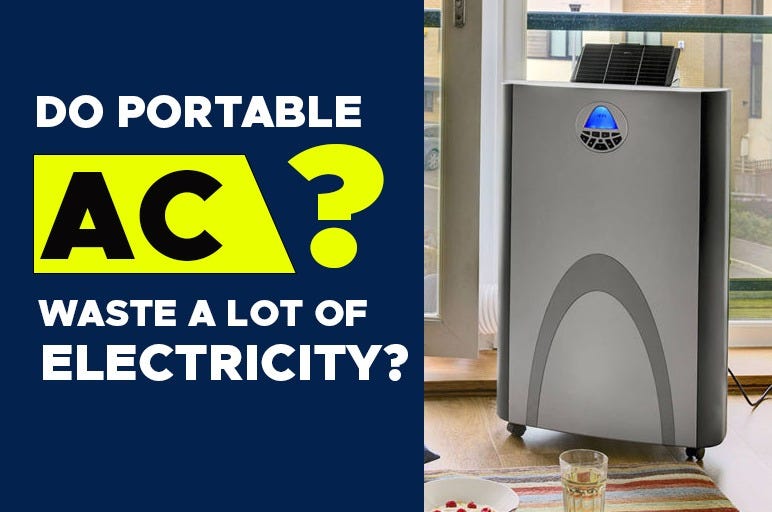
So, do portable air conditioners use more electricity? Maybe. Maybe not. But if you're using one, keep a close eye on that meter. And maybe invest in a good fan. Or a cold compress. Or just embrace the heat. (Just kidding. Never embrace the heat.) Maybe try turning off the portable AC for a while?
Consider yourself warned. Now, if you'll excuse me, I'm going to go turn mine off. And maybe cry a little.