
Do It Yourself Surveillance Camera Systems

Alright, so picture this: I once had this recurring mystery. My morning coffee, minding its own business on the counter, would occasionally have a weird, almost imperceptible ring where the sugar spoon should have been. Now, I live alone, so it wasn't a spouse, roommate, or even a mischievous cat (though my cat is suspicious). It was a tiny, persistent puzzle that made me feel like I was living in a low-stakes whodunit. I even started wondering if I was doing it myself in some half-asleep stupor. The solution? My phone, perched strategically on a stack of books, recording. And voilà! The culprit was revealed: a rogue fruit fly, meticulously trying to bathe in my morning brew. Honestly, a little anti-climactic, but the satisfaction of solving the mystery was real. And it got me thinking...
You see, that little saga, as silly as it sounds, perfectly encapsulates the itch many of us feel to simply know what’s going on when we’re not around. Whether it’s that package that keeps disappearing from your porch, a pet’s secret life, or just wanting an extra pair of digital eyes on your property, surveillance cameras are super handy. But the thought of dropping a ton of cash on a fancy, subscription-based system? Nah, not for everyone. And that, my friends, is where the wonderfully nerdy world of DIY surveillance camera systems steps in.
Why Go DIY? (Beyond the Thrill of Solving Coffee Mysteries)
Let's be real, the main draw for many is the price tag. Off-the-shelf systems can be pricey, and then they often hit you with monthly fees for cloud storage, which feels a bit like a digital tax, doesn't it? With DIY, you're usually looking at a one-time investment in hardware, and then you’re good to go. Plus, there’s a certain empowerment in building something yourself, isn’t there?
Must Read
Beyond cost, it's about control and customization. Want to use an old smartphone? You can! Got a Raspberry Pi collecting dust? Hello, new security cam! Want to store footage on a local hard drive for maximum privacy? Absolutely doable. You're not locked into someone else's ecosystem. It's your system, built your way. Pretty cool, right?
What You Might Need (The Bare Bones Version)
Okay, so you're intrigued. What exactly are we talking about here? At its core, a DIY setup typically involves:

- A Camera: This could be a dedicated IP camera (many affordable options out there), an old smartphone or tablet running a specific app, or even a tiny computer like a Raspberry Pi with a camera module.
- Storage: An SD card in the camera itself, an external hard drive connected to a local server (like another Raspberry Pi or an old PC), or perhaps even some free cloud storage options if you're comfortable with that.
- Network Connection: Most cameras need Wi-Fi or Ethernet to send their feed.
- Software: This is where the magic happens! Apps for old phones, open-source software like MotionEyeOS for Raspberry Pi, or general network video recorder (NVR) software for PCs.
See? It's not rocket science, but it definitely involves a bit of tinkering. If you like solving puzzles and getting your hands (digitally) dirty, you're going to love this.
The Upsides and the... "Character-Building" Moments
The upsides are clear: significantly lower cost, complete ownership of your data (no strangers peeking, unless you set it up that way!), the joy of learning a new skill, and the sheer satisfaction of seeing your custom-built system keeping an eye on things. It's like having your own little digital guardian, trained by you.
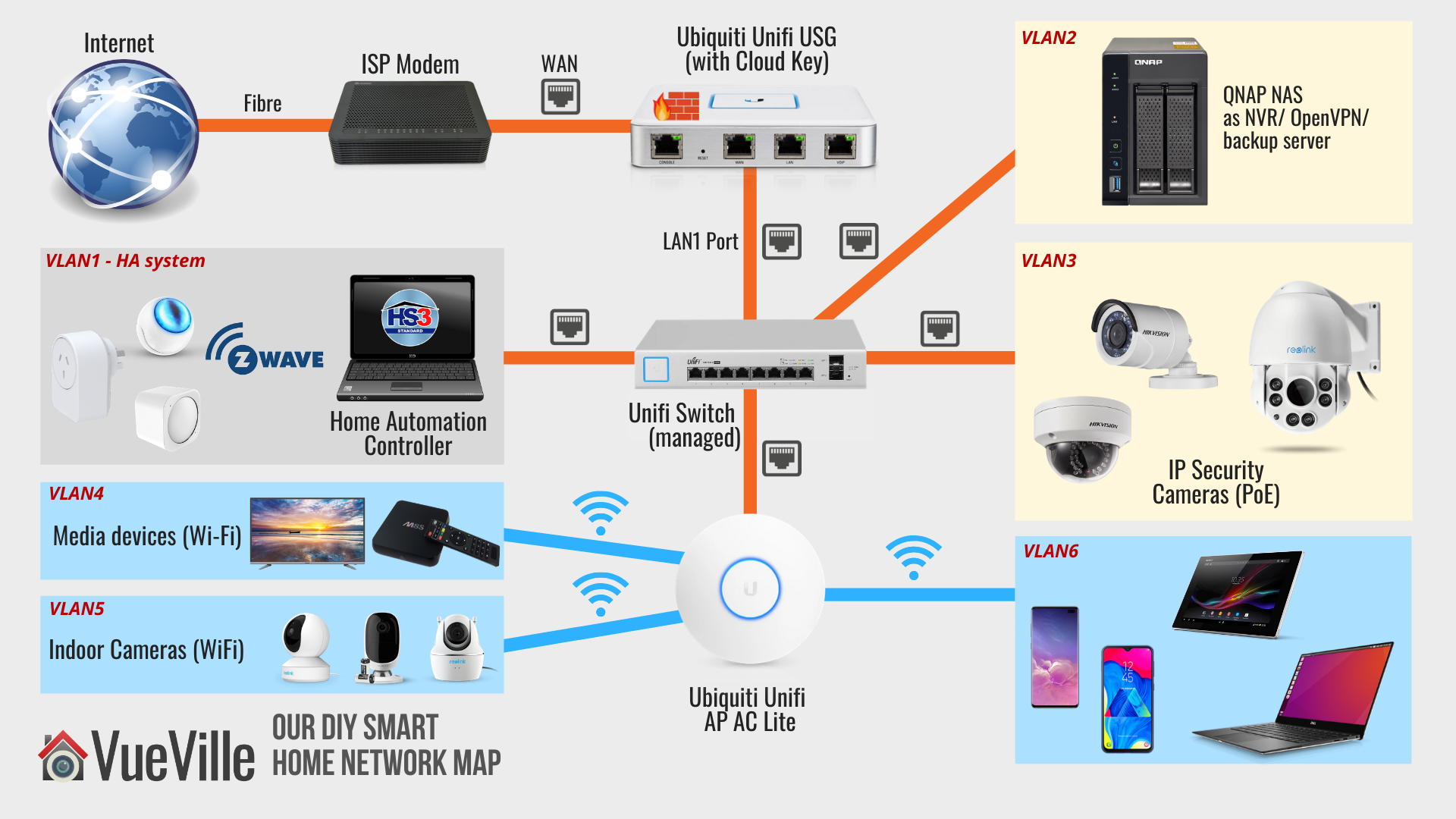
Now, for the "character-building" moments – because let's be honest, nothing worthwhile is ever too easy. You might encounter a few head-scratchers: network configurations that make your brain do somersaults, compatibility issues between different bits of hardware, or figuring out how to make your system accessible remotely without opening yourself up to the entire internet (very important!). But hey, Google is your friend, and there are tons of online communities ready to help. You'll learn a ton, I promise!
Ready to Dive In? A Few Tips!
If you're feeling that DIY itch, here's my advice: start small. Don't try to outfit your entire mansion (unless you live in one, then by all means, go wild!) with 16 cameras on day one. Grab an old phone and an app, or a single inexpensive IP camera, and experiment. Get comfortable with the software and networking. Check out YouTube tutorials; there are some amazing folks showing you exactly how to do this step-by-step.
And remember, while it's fun to feel like a secret agent, always be mindful of privacy – both yours and others'. Don't point cameras into your neighbor's window, for crying out loud. That's just common sense, right?
Ultimately, building your own surveillance system is a fantastic project. It's a blend of practical utility, technical exploration, and the satisfaction of knowing you’ve secured your space on your own terms. So, next time you have a mystery – big or small – you'll be ready to unleash your inner digital detective. Who knows what secrets your humble abode is hiding when you're not looking?
