
Do Goldfinches Change Color In Winter
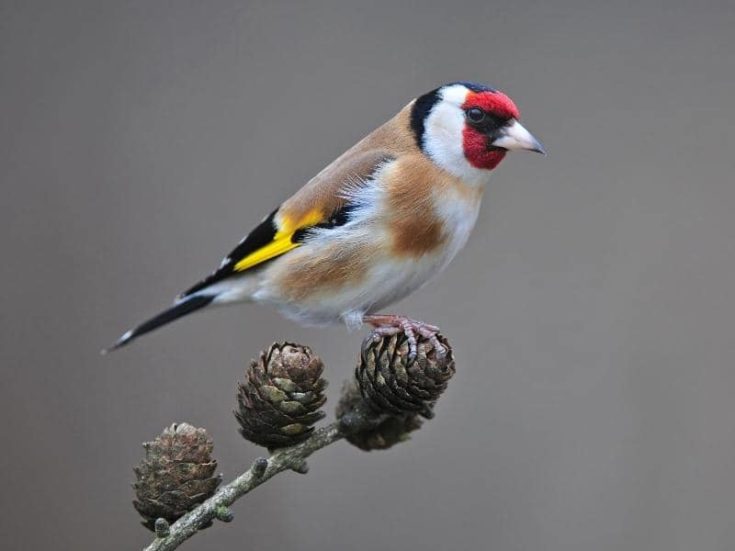
A Bird-Brained Conspiracy: Do Goldfinches ACTUALLY Change Color?
Okay, folks, let's talk about goldfinches. Those bright, cheerful little sunbeams flitting around our gardens. We all know them, we all (probably) love them. But there's something…fishy…going on. Something nobody wants to admit. I'm talking about their supposed winter wardrobe change.
Everyone tells you the same story. "Oh, the male goldfinch, he just gets a little less vibrant in winter." Less vibrant? Less vibrant is like saying the sun is "a little less bright" at midnight. It's a downright cover-up!
Look, I'm not saying it's a full-blown government conspiracy. But I am saying I have my suspicions. And my suspicions involve a cleverly orchestrated bird-swap operation of epic proportions.
Must Read
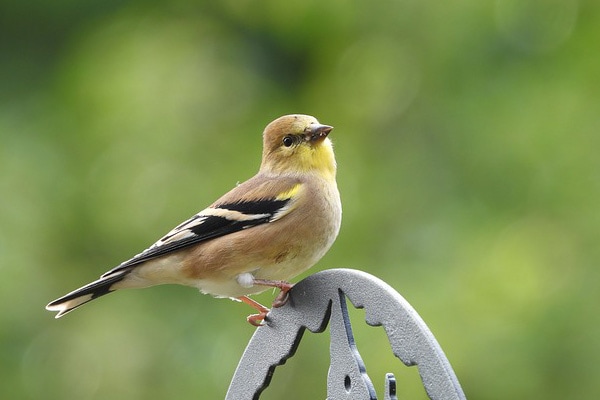
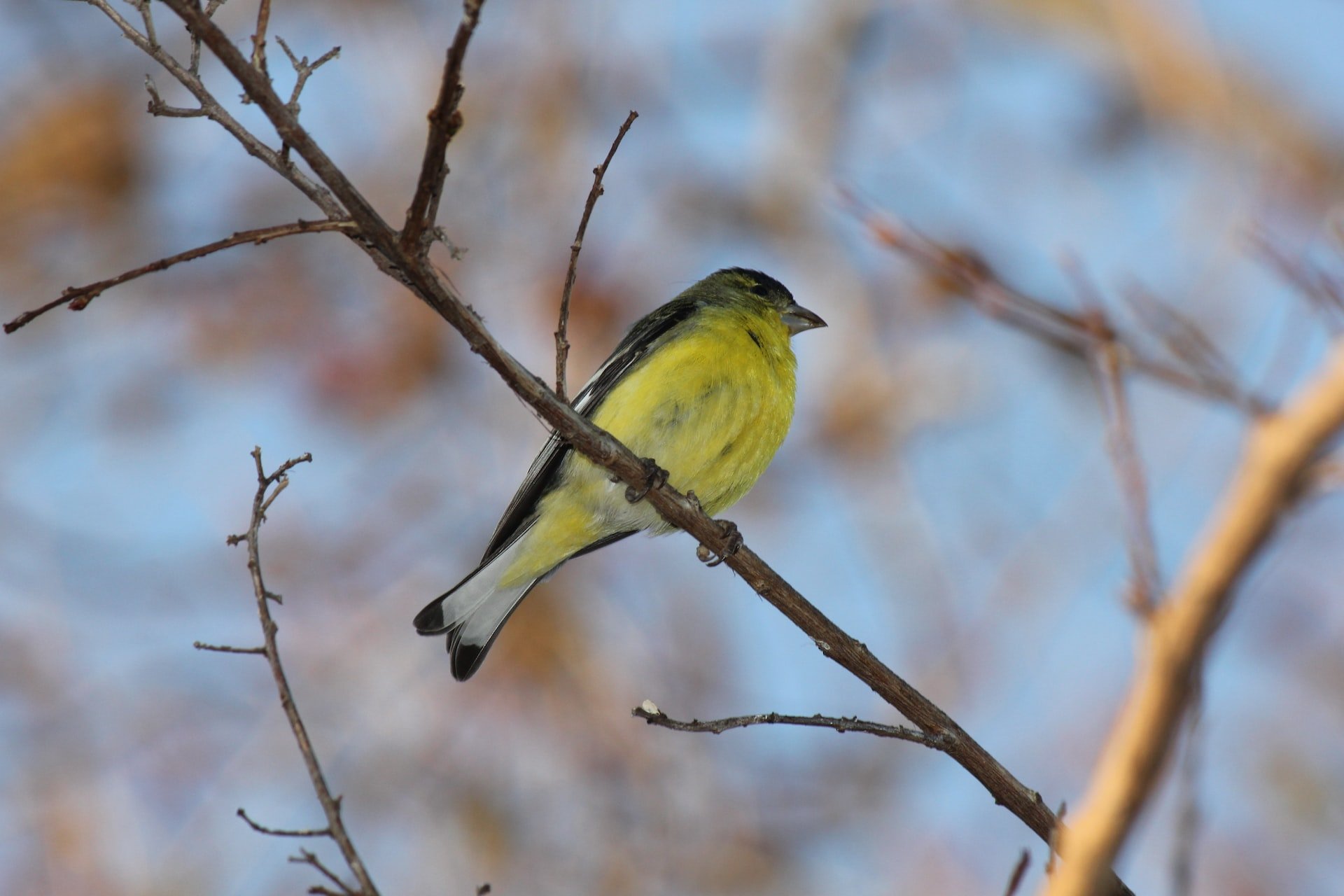
Think about it. Have you ever actually seen a goldfinch transforming before your very eyes? No! You see a bright yellow blur in summer. Then, BAM! Winter rolls around, and suddenly you've got a dull, olive-drab version of the original. Poof! Where's the smoking gun... feather?
They claim it's just "seasonal plumage." They say the male goldfinch loses his bright breeding feathers to blend in better and conserve energy. They show you pictures in bird books with arrows pointing to the subtle (cough, massive) color differences. But I'm not buying it.
My theory is much more plausible, and frankly, more entertaining. What if… hear me out… what if the bright yellow goldfinches are actually highly trained actors, specifically bred for their summer performances?
Think of the dedication! The months of rigorous training, learning to flit just so, to sing the perfect cheerful tune, to pose artfully on thistle heads for maximum Instagrammability. It's exhausting work!
Then, come winter, these avian divas are whisked away to a luxurious spa resort in the Bahamas. (Okay, maybe not the Bahamas. Perhaps a very comfy bird feeder in someone's warm garage.) They need to rest, rejuvenate, and prepare for their next summer season.

And who replaces them? Well, that's where the olive-drab "winter" goldfinches come in. These are the understudies, the stagehands, the quiet, unassuming birds who are perfectly capable of looking like a goldfinch, but lack the star power – and the vibrant wardrobe – of their summer counterparts.
They're the hardworking, less flashy birds who keep the goldfinch brand alive through the colder months. They're the unsung heroes of the bird world! We should be thanking them, not just dismissing them as "less vibrant."
And the females? Well, they are in on it too. They maintain their year-round subdued coloration to aid in camouflage and nesting. I like to think of them as the secret keepers, ensuring the operation runs smoothly and no one suspects a thing.

I know, I know. You're probably thinking I'm crazy. That I've spent too much time watching birds and not enough time, I don't know, filing my taxes or something. But deep down, I bet a little part of you is wondering… what if?
What if the goldfinch color change isn't just a simple matter of seasonal plumage? What if it's a carefully orchestrated bird-based performance, designed to delight us in summer and… well, just be slightly less dazzling in winter?
So, the next time you see a goldfinch, take a closer look. Is it truly the same bird you saw last summer? Or is it a cleverly disguised imposter, patiently waiting for its turn to shine (or, you know, be slightly less drab) in the spotlight?
I rest my case. The truth is out there. Or, at least, my very entertaining theory is. And that's almost as good, right?
Now, if you'll excuse me, I have to go. I think I saw a robin wearing a suspicious amount of makeup. I suspect foul play.
This is my (probably) unpopular opinion and I'm sticking to it.