Do Fire Alarms Call The Fire Department
Alright, let's talk about that moment. You're chilling, maybe perfecting a snack platter, or deep into your favorite show. Then, out of nowhere, it hits you. Not a rogue potato chip, but that ear-splitting, heart-stopping, universally recognized shriek: the fire alarm! Your ears ring, your pulse races, and after the initial panic, one burning question usually pops into your head: "Did that thing just call the fire department for me?!"
It's a fantastic question, and one that doesn't always have a simple "yes!" or "no!" plastered on a giant billboard. Think of it like trying to decide if a pizza is better with or without pineapple. The truth, my friend, is a delightful dance of "it depends!"
Home Sweet Home: Your Personal Scream Team
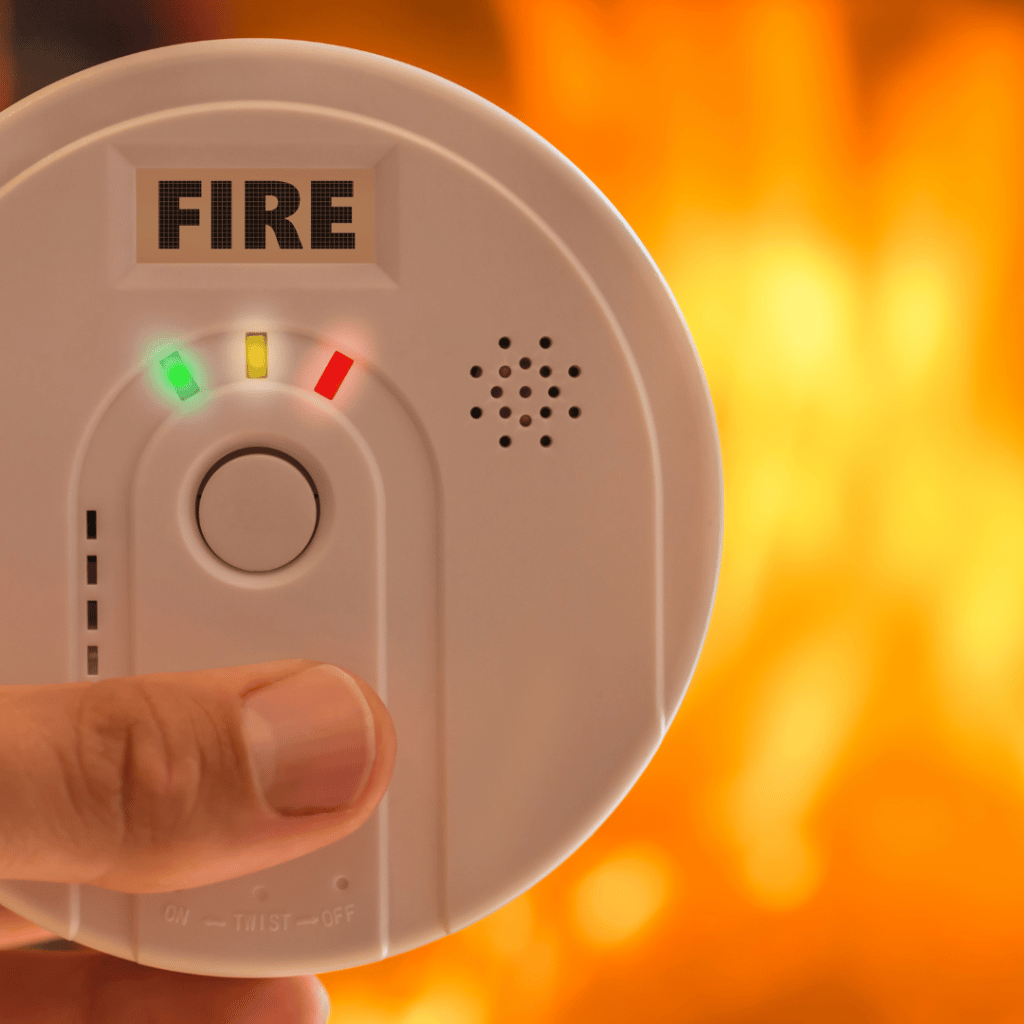
Let's start with your humble abode. Your cozy apartment, your house, your studio. Most residential smoke detectors and carbon monoxide alarms are like your extremely loud, very protective best friend. When they sense smoke from that ambitious batch of cookies or an unwelcome whiff of CO, what do they do? They scream! And they scream at you!
Must Read
"BEEP! BEEP! BEEP! WAKE UP! SOMETHING IS HAPPENING! YOU SHOULD PROBABLY GO CHECK IT OUT... AND MAYBE CALL SOMEONE!"
That's their main job: to give you, the occupant, a blaring, unmistakable heads-up. They're counting on you to be the hero of your own story (or at least the adult who dials 911). So, if your alarm goes off because your toast decided to become a charcoal briquette, it's not secretly sending a bat signal to the local fire station. It's yelling, "Hey! Toast crisis! Your move!" You're the one who needs to make the call to summon those folks in the big red trucks if things go from smoky to seriously concerning.
Big Buildings, Bigger Brains: The Automatic Action Heroes
Now, let's venture into the magnificent world of bigger buildings. Think schools, hospitals, towering apartment complexes, bustling shopping malls, or sleek corporate high-rises. These places? Oh, they're a different breed altogether! Many of them are equipped with sophisticated fire alarm systems that are absolute geniuses when it comes to getting help.
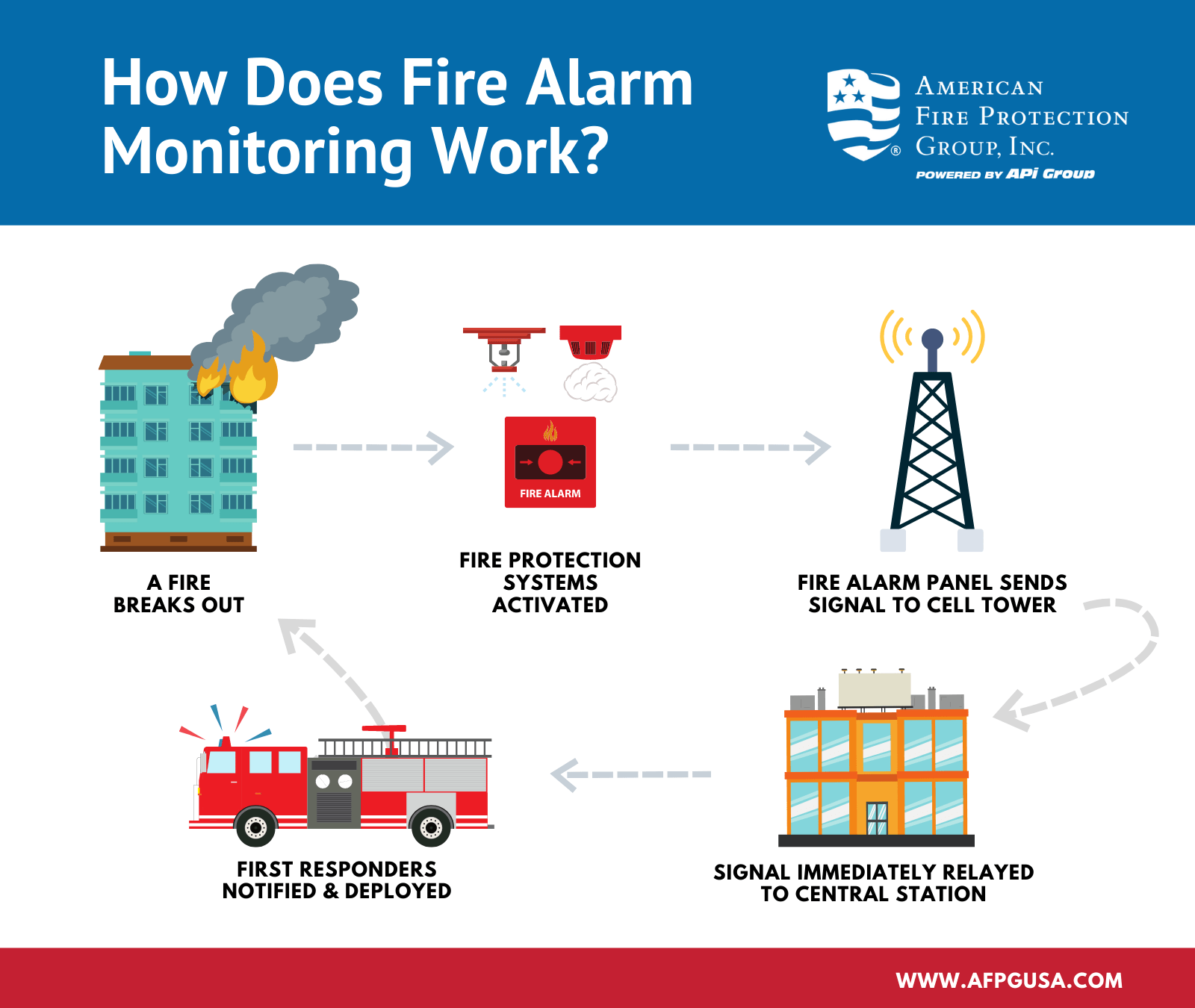
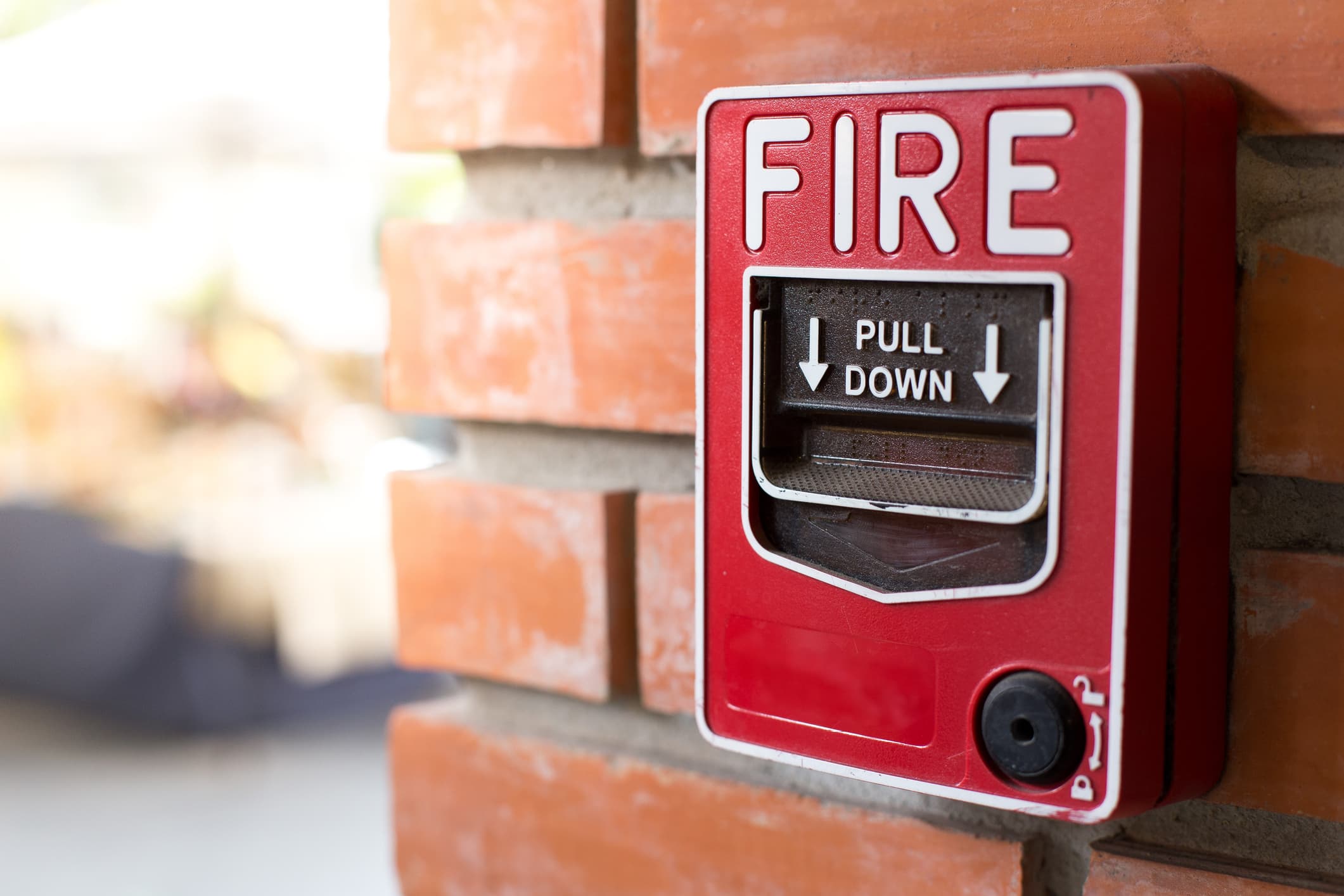
These systems aren't just loudmouths; they're like the super-connected, super-efficient nerds of the alarm world. When one of their sensors (be it smoke, heat, or even a sprinkler head that's decided to party) detects trouble, it doesn't just make a ruckus inside. Oh no! It swiftly sends a direct signal to a central monitoring station.
The Unseen Guardians: Monitoring Centers to the Rescue!
Picture this monitoring center: not quite a secret spy lair, but definitely a hub of focused activity with screens, blinking lights, and alert operators. When that signal from the school, hospital, or your friend's fancy apartment building zips in, these incredible humans spring into action! They verify the alarm (sometimes calling the building to check if it's just an overzealous steam pipe). And then, faster than you can say "emergency," they are on the phone with the local fire department, giving them the exact address and details. It’s like having a dedicated concierge for catastrophe!

This automatic connection is a monumental game-changer. Every second counts when fire is involved! It means that if a fire starts when everyone's asleep, or if someone is unable to dial for help, those firefighters are still being summoned. It takes the guesswork and the time delay out of the equation, getting professional help on the scene with dazzling speed.
The False Alarm Follies (But Don't You Dare Ignore It!)
Of course, sometimes these incredibly smart systems are a little too enthusiastic. We've all experienced it: the fire alarm blaring because of ambitious microwave popcorn, or the steamy aftermath of a long shower setting off a sensor. These are often called nuisance alarms or false alarms.

Even for these false alarms, the fire department often responds, especially when it's an automatically monitored system. Why? Because they operate on a simple, incredibly important principle: it's always better to check out a false alarm than to miss a real one. They're the ever-vigilant guardians, ready to spring into action for a true emergency, even if it's just a dramatic cloud of steam. That's why you should NEVER, EVER ignore a fire alarm, even if you think it's nothing. Better safe than sorry, and better a little embarrassment than a big disaster!
So, What's the Grand Finale?
The next time that piercing sound jolts you, take a quick mental inventory. If you're safe at home, be the superstar and make that call if you need to. If you're in a bigger building, you can breathe a tiny sigh of relief knowing that behind the scenes, a whole network of clever tech and dedicated humans is working tirelessly to get the professionals there. Fire alarms are more than just noisy boxes; they're ingenious little guardians, some shouting for your attention, others silently dialing for backup. They're all about keeping us safe, sound, and ready to face another day... hopefully, without any more toast incidents!