
Do Clarifion Air Ionizers Really Work
Ever walked into a room and felt like you could practically taste the dust? Or maybe your nose starts doing the cha-cha with allergies the moment you cross the threshold? We've all been there. And that's when you start eyeing those air purifiers with a mixture of hope and skepticism. Today, we're tackling the big question about one type in particular: Clarifion air ionizers. Do they actually work, or are they just fancy nightlights?
Let's be honest, air purifiers can sound like something straight out of a sci-fi movie. We're talking about invisible particles, charged ions, and all sorts of technical jargon that can make your head spin faster than a ceiling fan on high. But the basic idea behind air ionizers, like the Clarifion, is pretty simple: they release negatively charged ions into the air.
Think of these ions as tiny, sticky magnets. They attach themselves to positively charged particles floating around – dust, pollen, smoke, pet dander, the ghost of last week's burnt toast – making them heavier and more likely to fall to the ground (or stick to a nearby surface).
Must Read
The Claim vs. The Reality: What to Expect
Clarifion and similar ionizers often claim to improve air quality by reducing these airborne pollutants. The big question is: does this translate to actual, noticeable improvements in your everyday life?
Well, the short answer is: it's complicated. Imagine your air is a swimming pool filled with floaties. An ionizer is like tossing in a bunch of nets to try and clump those floaties together. Some nets will work, others will miss. Some floaties will sink, others will just end up in a bigger clump somewhere else.

Here's the deal: Some people swear by them. They report fewer allergy symptoms, reduced dust, and generally feeling like the air is fresher. Others don't notice much of a difference. Why the discrepancy?
Several factors play a role. The size of the room, the level of pollution, and even your individual sensitivity to allergens all contribute. A small, stuffy room is more likely to show improvement than a large, well-ventilated one. If you live in a pristine bubble, you probably won't notice a difference at all.
The Good, The Bad, and the Slightly Dusty
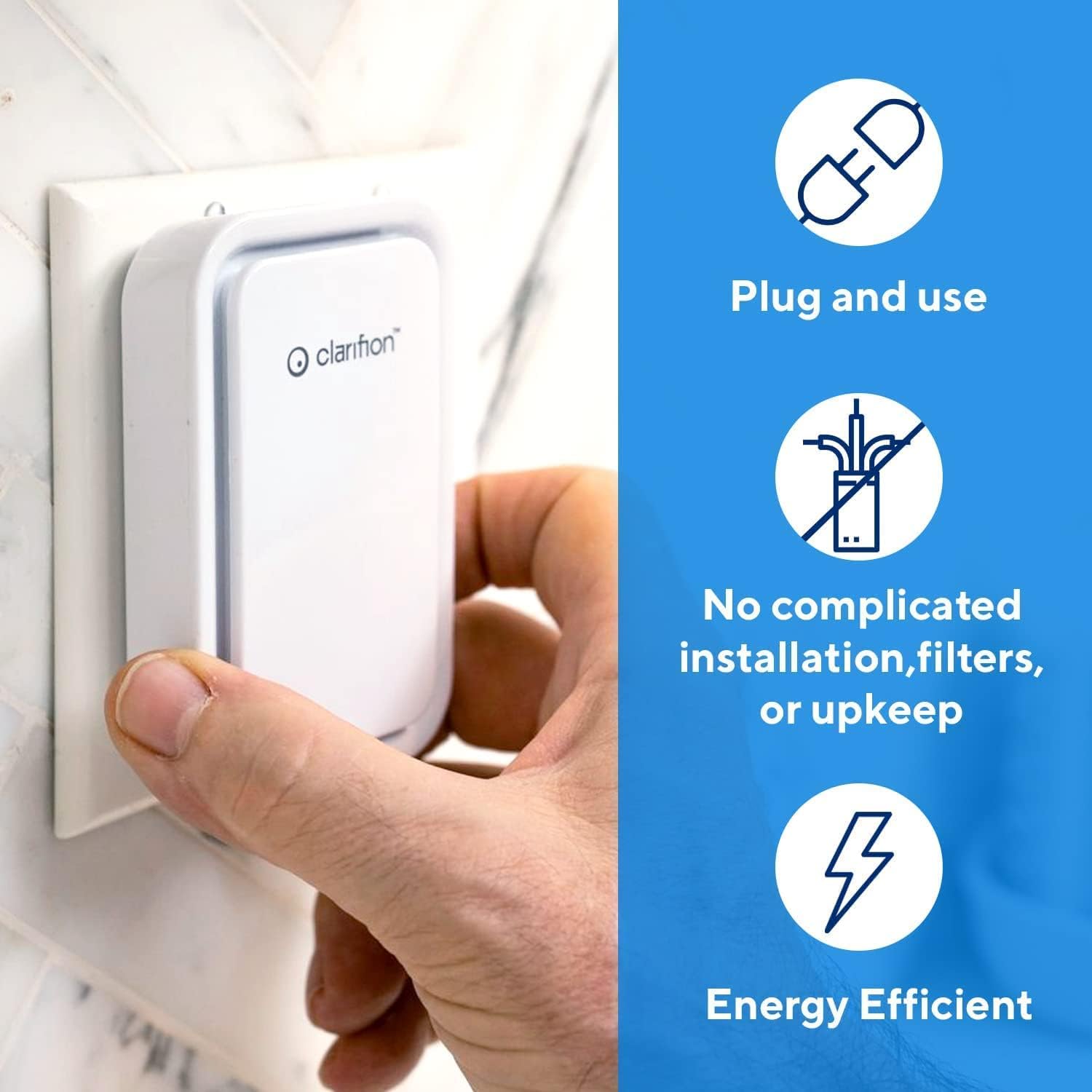
The Good: Clarifion ionizers are often small, relatively inexpensive, and easy to use. Many plug directly into an outlet, making them super convenient. Plus, they operate quietly, so you won't have to listen to a constant hum.

The Bad: One potential downside is ozone. Some ionizers can produce small amounts of ozone, which, in high concentrations, can be harmful. Always choose an ionizer that's certified to meet safety standards and produces very low levels of ozone. It's better to breathe slightly dusty air than ozone-filled air, trust me.
The Slightly Dusty: Remember those clumped particles we talked about? Well, they don't just vanish. They fall to the ground, stick to walls, or generally accumulate on surfaces. So, while an ionizer might help clean the air, you might find yourself dusting more often. Think of it as redistributing the dust, not eliminating it entirely.
The Verdict: To Ionize or Not to Ionize?
So, do Clarifion air ionizers really work? The answer isn't a simple yes or no. They can contribute to cleaner air by reducing airborne particles, but they're not a magic bullet. They're more like a supporting actor in your quest for a healthier home environment.
Before you buy:
*Consider your needs and expectations. Are you looking for a dramatic improvement or just a little extra help?
Research different brands and models. Read reviews and compare features.
*Think about your living space. How big is the room you want to purify?
Ultimately, an air ionizer might be a worthwhile addition to your home, especially if you have allergies or sensitivities. But remember, it's just one piece of the puzzle. Regular cleaning, proper ventilation, and maybe a good vacuum cleaner are still essential for keeping your air clean and your nose happy. After all, even the best air purifier can't replace a good spring cleaning (no matter how much we wish it could!).