
Dimethyl Ether Boiling Point
Let's talk about something that might not be on your radar, but is surprisingly fascinating: Dimethyl Ether, or DME. Now, before your eyes glaze over, stick with me! We're diving into its boiling point and why it matters, all while keeping it light and breezy.
The Boiling Point Lowdown
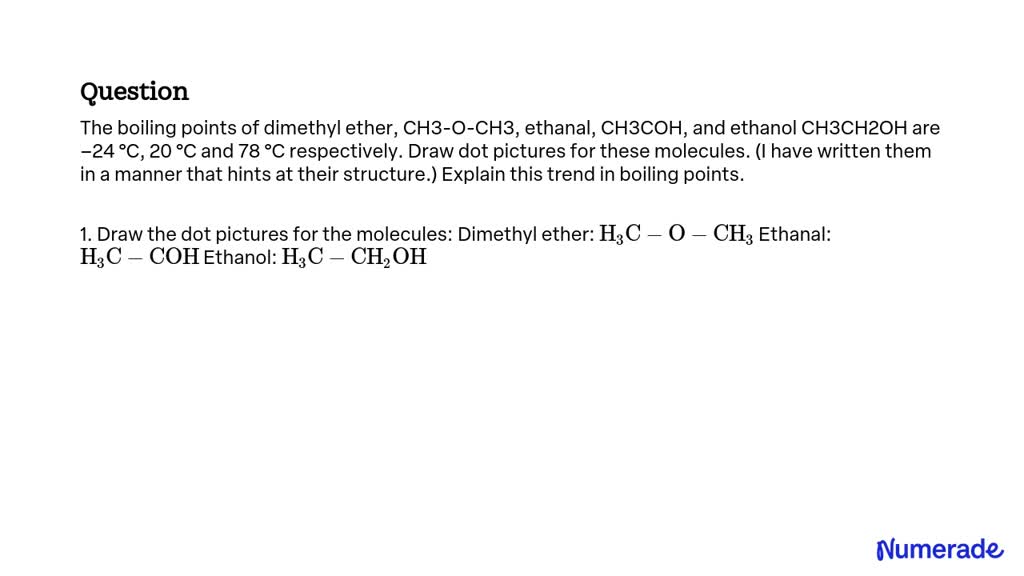
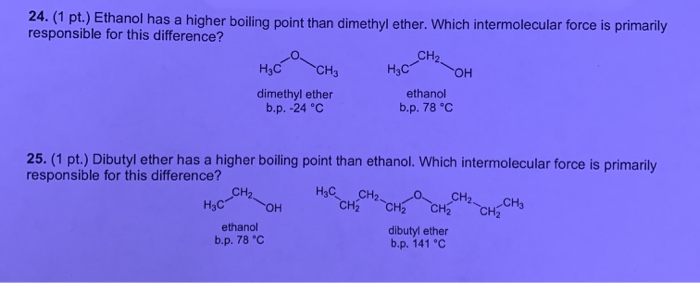
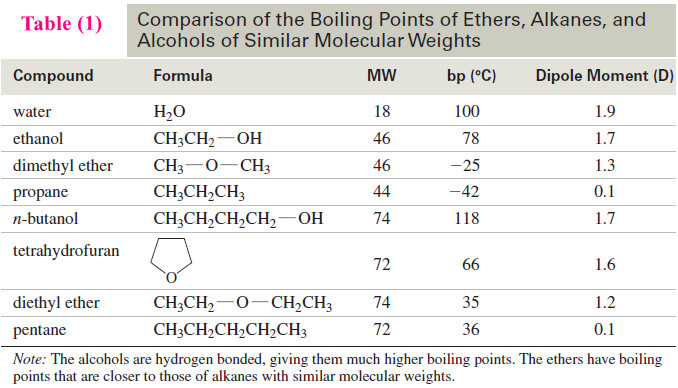
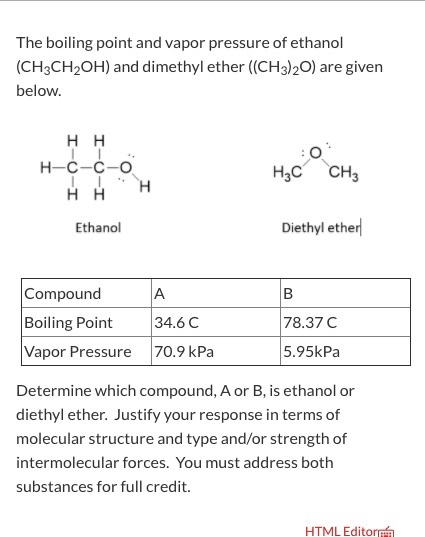
Okay, so what exactly is a boiling point? It’s the temperature at which a liquid transforms into a gas. For Dimethyl Ether, that magic number is about -24.4 degrees Celsius (-11.9 degrees Fahrenheit). Yep, pretty chilly!
Think of it like this: water boils at 100°C, and we see that every day when making tea or pasta. DME, on the other hand, boils at a much lower temperature, meaning it’s a gas at room temperature. That’s a key characteristic that dictates how it’s used.
Must Read
Why Does It Matter? Practical Applications
So, why should you care? Well, DME is more than just a science experiment. It has some pretty cool applications:
- Aerosol Propellant: DME is often used as a propellant in aerosol sprays, like hairspray or deodorant. It's what helps create that fine mist.
- Alternative Fuel: This is where things get really interesting. DME can be used as a cleaner-burning alternative to diesel fuel. Imagine vehicles emitting less pollution!
- Chemical Building Block: DME can also be used as a starting material to produce other chemicals, making it a versatile player in the chemical industry.
The low boiling point is crucial for these applications. In aerosols, it allows the product to vaporize easily. As a fuel, it helps with efficient combustion. It’s all about that temperature sweet spot!
DME vs. the World: Fun Facts and Cultural Tidbits
Let's put DME's boiling point into perspective with some fun comparisons.
Think about the coldest place you've ever been. Was it colder than -24.4°C? Probably not your average winter day! This gives you a sense of just how volatile DME is.
Consider this: in some parts of Siberia, the average winter temperature dips well below DME’s boiling point. Imagine DME existing as a liquid outdoors! (Okay, probably not, as other factors like pressure come into play, but you get the idea.)
Quick Fact: DME is considered a relatively environmentally friendly alternative to some other propellants and fuels, which is a big win for sustainability.
Tips and Tricks (and Safety!)
While you're not likely to be handling pure DME in your kitchen, it's always good to be aware of potential risks. If you're working with products containing DME, always read the label and follow the manufacturer's instructions.
Safety First: DME is flammable, so keep it away from open flames and sparks. Common sense goes a long way!
The Bigger Picture: DME and Our Daily Lives
So, we’ve explored the chilly world of Dimethyl Ether and its boiling point. While it might seem like a niche topic, it's a reminder that even seemingly obscure scientific properties have a direct impact on our daily lives.
![[GET ANSWER] 2 d the boiling points of ethanol and dimethyl ether are](https://cdn.numerade.com/ask_images/81e6be5f97dc49e4baf8c0382b57ea25.jpg)
From the spray of your hairspray to the potential for cleaner transportation, DME is quietly playing a role. Understanding these fundamental aspects of chemistry can deepen our appreciation for the world around us and the innovations that shape it.
The next time you use an aerosol can, take a moment to think about the little molecule that makes it all possible. It’s a small thing, but it’s connected to something much larger: the ongoing quest for a more sustainable and efficient future.
And that, my friends, is pretty cool.