Different Types Of Fire Extinguisher

You’ve seen them. Everywhere. Hanging stoically on walls in offices, schools, restaurants, even your own garage. Those bright red cylinders, silently standing guard. We often walk right past them, barely giving them a second thought. But what if I told you these unassuming heroes have secret identities, specialized skills, and even a bit of a personality? Prepare to have your mind gently blown, because there’s more to the humble fire extinguisher than meets the eye!
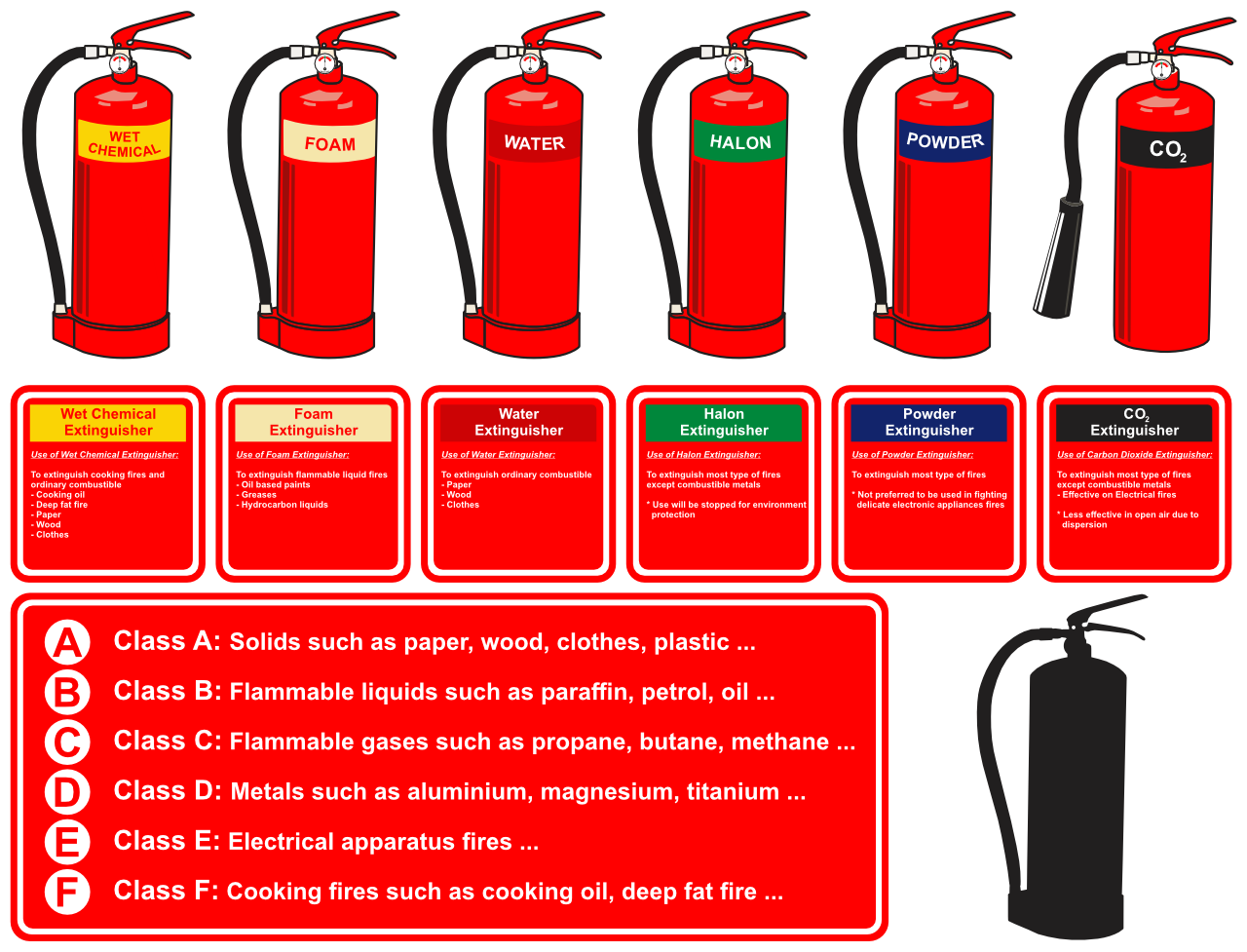
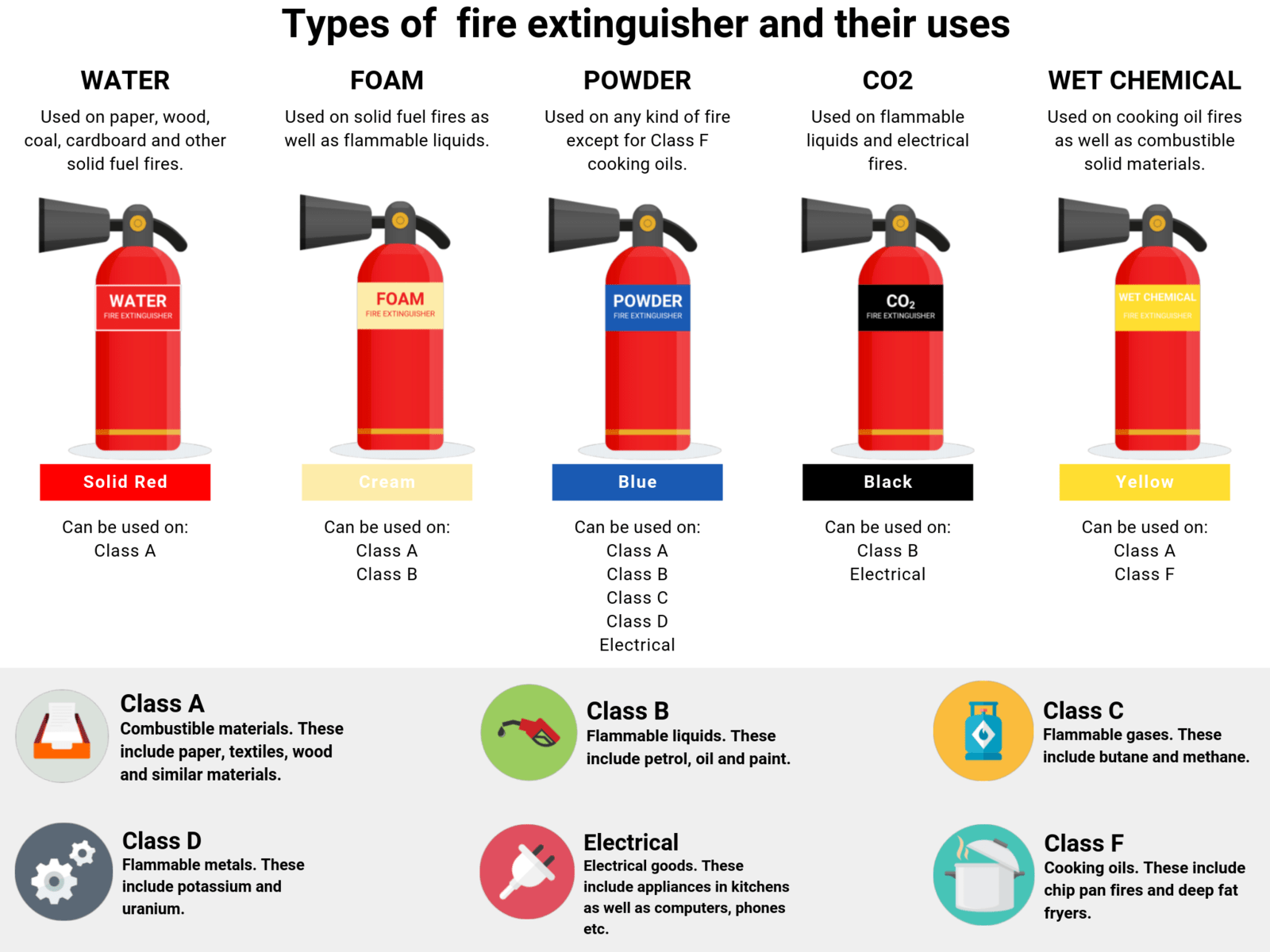
Most of us probably imagine one-size-fits-all firefighting. Fire equals water, right? Well, sometimes! But sometimes, adding water to a blaze is like throwing gasoline on it – a fiery recipe for disaster. That’s why our emergency guardians come in different "flavors," each designed for a specific kind of fiery mischief. It’s like having a specialized superhero team, where each member has their own unique power!
The OG: Water Extinguishers (Class A)
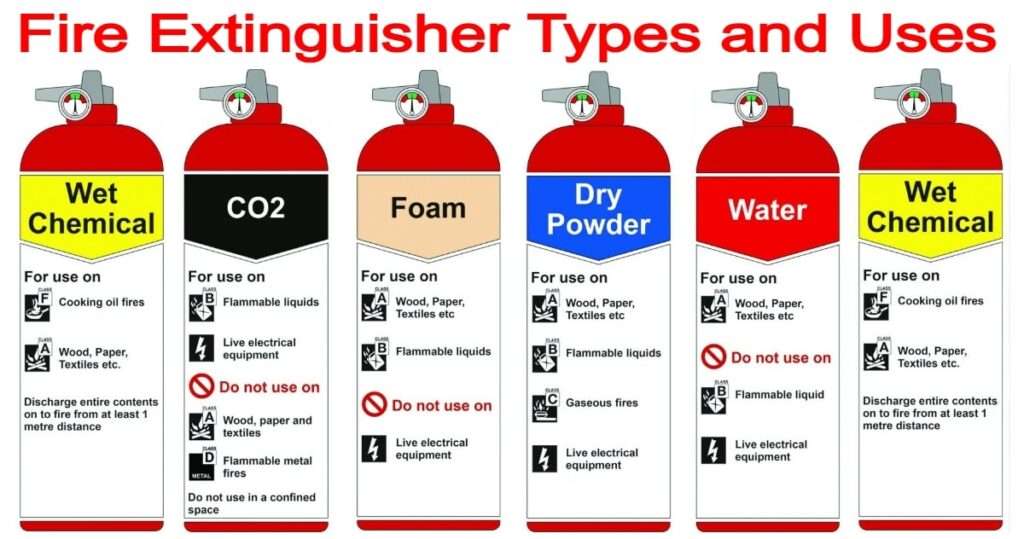
Meet the simplest of the bunch, the Class A extinguisher. It’s the closest thing to your garden hose, but super-powered. These are designed for everyday fires involving ordinary combustible materials – think paper, wood, cloth, or plastics. It’s the perfect choice if your toaster goes rogue with a piece of bread, or your stack of old newspapers decides to stage a dramatic protest. When you see one of these, you know it's ready to douse a good old-fashioned blaze. It's the straightforward, no-nonsense hero for common combustibles, cooling them down and putting out the flame.
Must Read
Imagine trying to put out a burning oil pan with this one. You’d get a spectacular (and dangerous) show of flaming oil splattering everywhere! Not ideal.
The Chilly Guardian: CO2 Extinguishers (Class B & C)
Next up, we have the Carbon Dioxide (CO2) extinguisher. These are the cool kids, literally. They’re filled with highly pressurized liquid carbon dioxide that turns into a freezing gas when released. You’ll often spot these in server rooms, electrical substations, or kitchens. Why? Because they’re fantastic for Class B fires (flammable liquids like gasoline, oil, or paint) and especially for Class C fires (electrical equipment). The CO2 displaces oxygen, suffocating the fire without leaving any messy residue. It’s like the ghost of firefighting – effective, but leaves no trace! If your fancy new espresso machine sparks up, this is your go-to. It protects your gadgets from water damage, which is pretty heartwarming for tech lovers!
The All-Rounder: Dry Chemical Extinguishers (Class ABC)
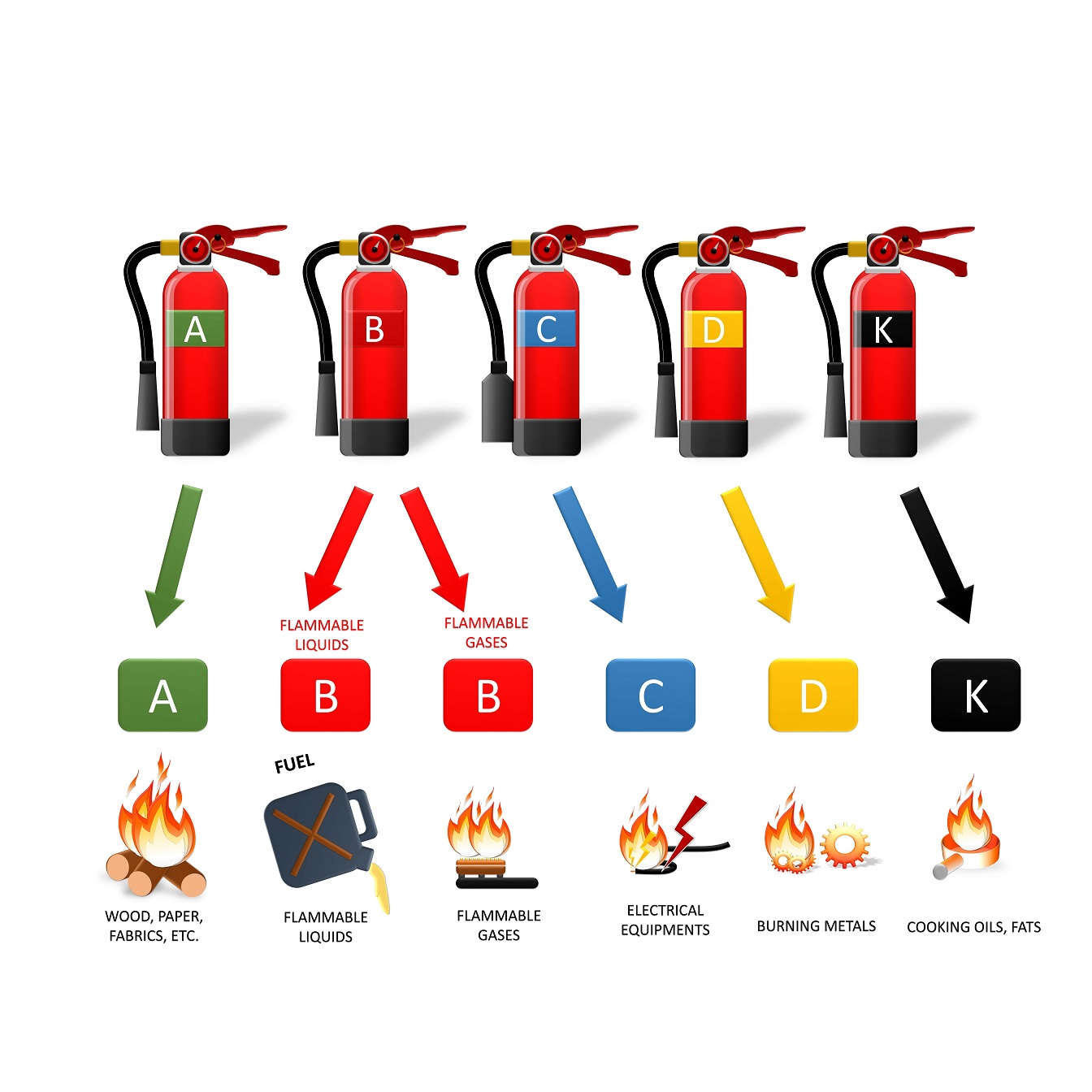
If you're looking for the Swiss Army knife of fire extinguishers, say hello to the Dry Chemical (ABC) type. These are arguably the most common and versatile you’ll find. They’re packed with a fine powder (often monoammonium phosphate) that smothers fires and creates a barrier between the fuel and oxygen. They’re excellent for Class A, Class B, and Class C fires – hence the "ABC" moniker. While incredibly effective, they do make quite a mess. Imagine a flour fight at a bakery, but with a purpose! It's the practical hero for when you're not quite sure what's burning, offering broad protection, even if it means a bit of clean-up afterwards. It’s the reliable friend who’s always got your back, no matter the situation.
The Kitchen Whisperer: Wet Chemical Extinguishers (Class K)
Now for a true specialist, the Wet Chemical extinguisher, designed for Class K fires. These are the unsung heroes of commercial kitchens, where deep fat fryers and vast vats of cooking oil pose unique challenges. Pouring water on a grease fire is a huge no-no, and even ABC powder can struggle to truly put it out. Wet chemical extinguishers contain a potassium-acetate-based solution that creates a soapy foam when sprayed on hot oils, cooling them and forming a barrier to prevent re-ignition. It’s the dedicated chef’s friend, silently ensuring that a passionate kitchen isn't turned into a fiery inferno. It’s a surprising testament to how specialized safety can be!
Who knew there was a specific extinguisher just for your rogue fondue pot or the sizzling wok? It makes you appreciate the thought put into protecting us!
The Gentle Giant: Clean Agent Extinguishers (Class C, B)
Finally, we have the more modern, environmentally friendly Clean Agent extinguishers, sometimes known by brand names like Halotron. These are like the sophisticated, discreet bodyguards of precious items. They're designed for Class B and Class C fires, particularly in places where water or dry chemicals would cause more damage than the fire itself – think museums with priceless art, data centers full of servers, or sensitive medical equipment. They use chemicals that extinguish fires by interrupting the chemical reaction, leaving no residue behind. It's the heartwarming protector, saving memories, vital information, and invaluable objects from harm without a trace.
So, the next time you stroll past one of these red cylinders, take a moment to appreciate the silent vigilance. They’re not just generic boxes on a wall; they’re specialized guardians, each with a unique power, ready to leap into action when fire strikes. It’s a surprising, heartwarming thought that so much care goes into keeping us safe, often right under our noses!