Difference In Carbon Monoxide And Carbon Dioxide
Ever found yourself casually mentioning "carbon" in a conversation and then wondering if you're talking about the good kind, the bad kind, or the one that makes your soda fizzy? Don't worry, you're not alone! The terms carbon monoxide and carbon dioxide sound so similar, it's easy to get them mixed up. But trust us, knowing the difference isn't just a fun fact for your next dinner party; it's genuinely life-saving knowledge that everyone should have in their back pocket.
The air we breathe and the gases around us play a crucial role in our lives, often without us giving them a second thought. Understanding these invisible players can empower us to make safer choices, especially when it comes to home heating, appliances, and even just appreciating the natural world. So, let's clear the air (pun intended!) and unravel the mystery between these two carbon compounds. It's simpler than you think, and knowing could literally save a life, maybe even your own!
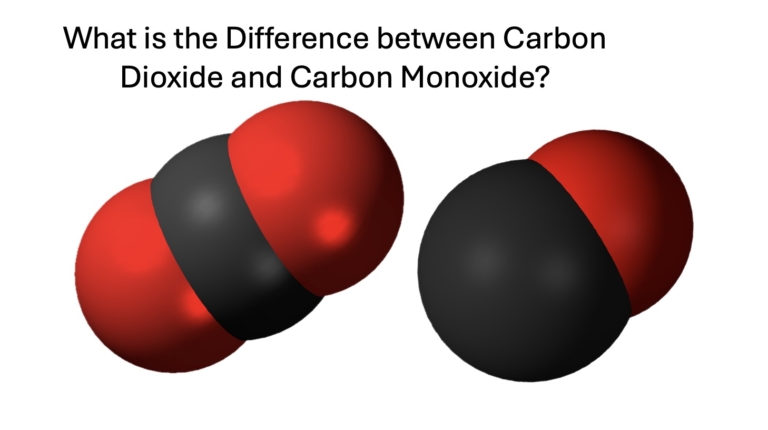
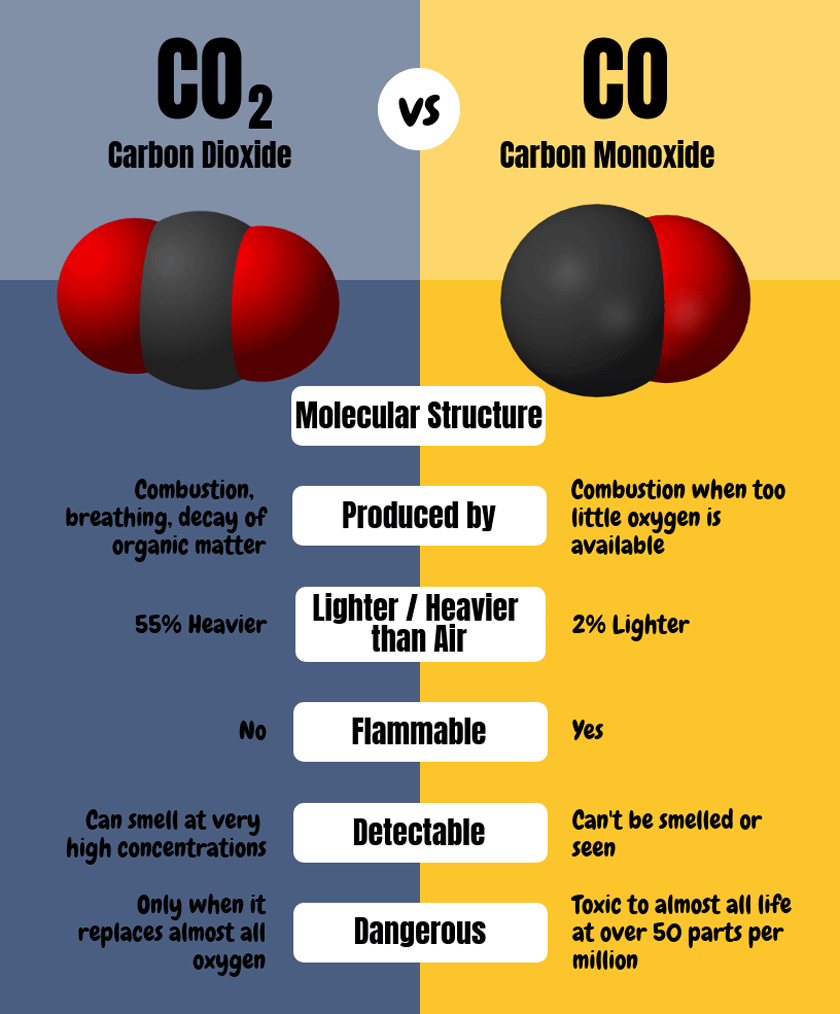
First up, let's talk about Carbon Dioxide (CO2). This is the more familiar and, in many ways, the "friendly" carbon compound. Chemically, it's one carbon atom bonded with two oxygen atoms. You breathe it out with every single exhale! Plants love CO2; it's their main ingredient for photosynthesis, turning sunlight into energy and giving us back oxygen. It's also what makes your soft drinks delightfully bubbly and is naturally present in our atmosphere. While high concentrations of CO2 can displace oxygen and lead to suffocation, it's generally not considered directly toxic in the way its cousin is. Think of it as a natural part of our ecosystem, vital for life, but like anything, too much in a confined space can be problematic.
Must Read
Now, let's shift our focus to the tricky one: Carbon Monoxide (CO). This is the compound you really need to be aware of. It's one carbon atom bonded with just one oxygen atom – a subtle difference in structure, but a monumental difference in effect. CO is often called the "silent killer" because it is odorless, colorless, and tasteless. You can't see it, smell it, or taste it, but it's incredibly dangerous. It's produced when fuels like gas, oil, wood, or charcoal burn incompletely. This can happen with faulty furnaces, gas stoves, cars running in an enclosed garage, or even barbecues used indoors.
Here's why CO is so deadly: when inhaled, it rushes into your bloodstream and latches onto the hemoglobin in your red blood cells with an affinity far greater than oxygen. This effectively "chokes" your cells, preventing them from getting the oxygen they need to function. Symptoms can include headaches, dizziness, nausea, and confusion, eventually leading to unconsciousness and death. The best defense against this invisible threat? A working carbon monoxide detector in your home, just like a smoke detector!
So, the takeaway? Carbon Dioxide (CO2) is a natural, vital gas we exhale and plants inhale, generally safe unless oxygen is severely depleted. Carbon Monoxide (CO), however, is a stealthy, toxic gas produced by incomplete combustion, and it can kill quickly and silently. Knowing this distinction isn't just smart; it's a vital step in keeping yourself and your loved ones safe. Stay informed, stay vigilant, and make sure those CO detectors are always working!