
Difference Between Theft And Robbery

Ever Wondered About Those Crime Shows?
We all love a good crime drama, right? Whether it's a thrilling movie heist or a gripping TV series, they often throw around words like "theft" and "robbery." You might use them interchangeably in everyday chat.
But these words describe very different things in the eyes of the law. Understanding the distinction is quite fascinating!
The Key Difference: It's All About the Person
Imagine you're watching a detective piece together a case. They're not just looking at what was taken, but how it was taken. That "how" is the magic ingredient.
Must Read
The biggest, most crucial difference between theft and robbery boils down to one simple thing: whether a person was directly confronted or threatened. It's about the element of force or fear.
What is Theft?
Let's start with theft. Think of theft as secretly or cunningly taking something that isn't yours. The owner might not even be aware it's happening at the moment of the crime.
For example, if someone slips your wallet out of your backpack while you're not looking, that's theft. It's often called pickpocketing
.
Taking a bicycle that was left unlocked on the street? That's also theft. No one was confronted, no threats were made directly to a person.
Shoplifting is another classic example of theft. Someone might sneak an item into their bag without paying. The store employee might discover it later, but there was no direct threat during the act of taking the item.
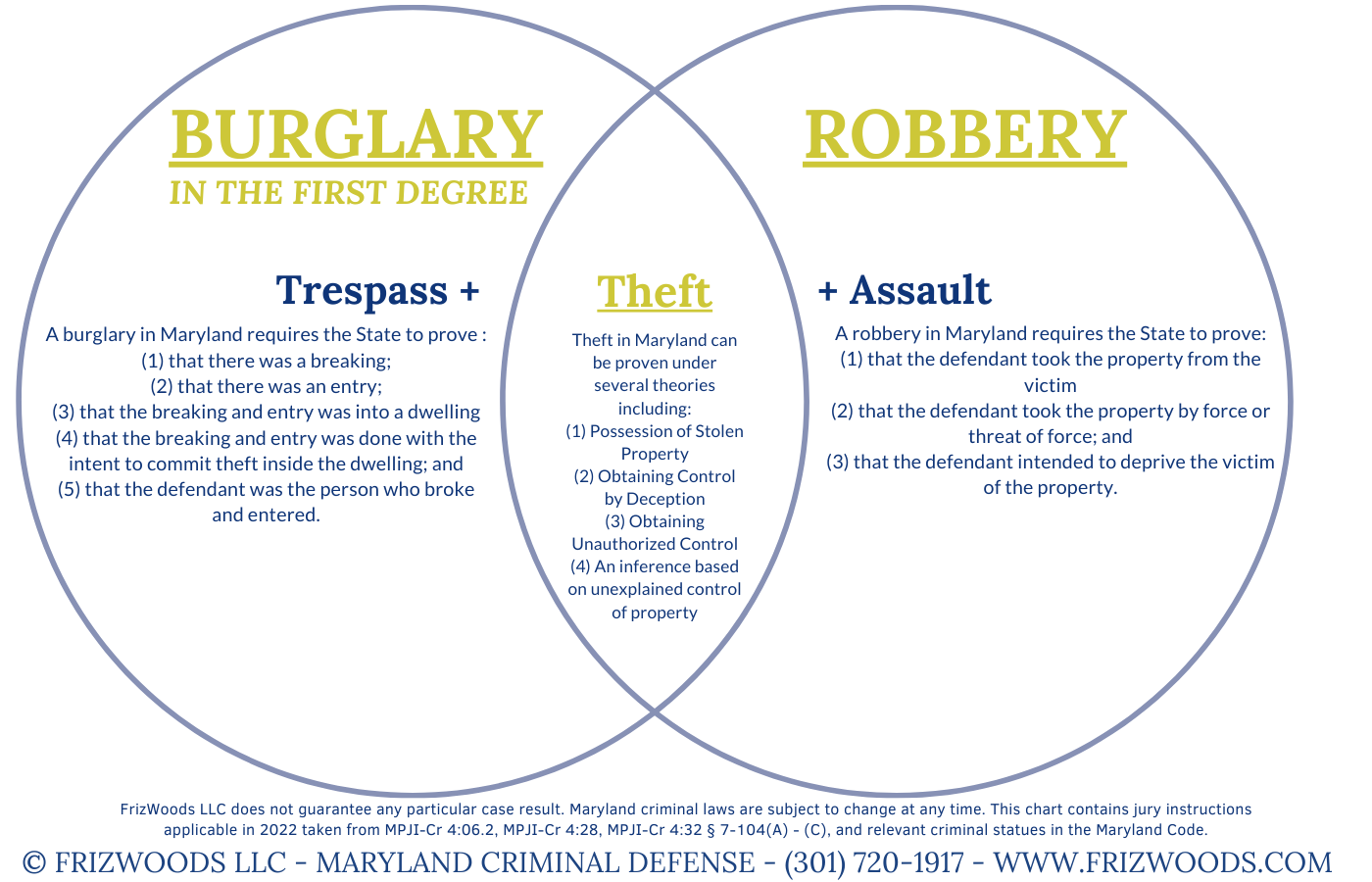
Even breaking into an empty house to steal valuables is generally considered theft (specifically, burglary
, which is a form of theft involving unlawful entry). The crucial part is that no person was present to be threatened or harmed.
The emphasis here is on the property itself. The crime focuses on unlawfully depriving someone of their possessions, without direct, personal confrontation or force.
It's like a sneaky, silent operation. The object is the target, and people are avoided or ignored during the act of taking.
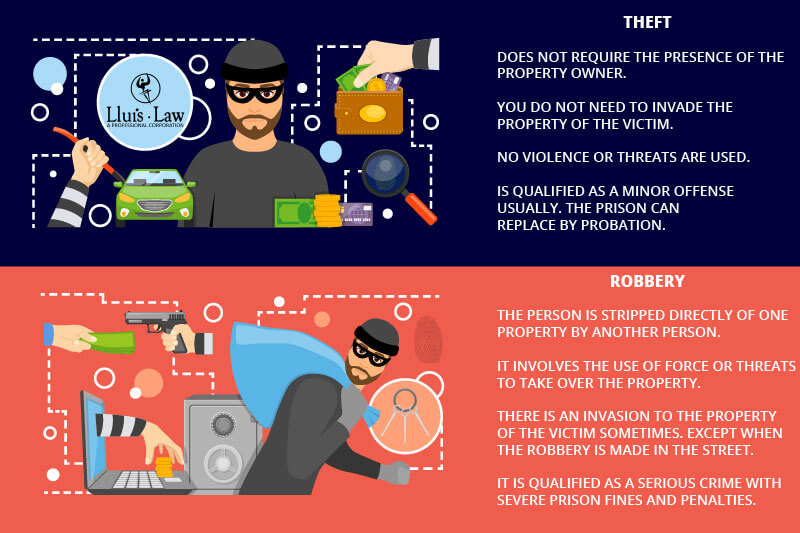
Theft: Taking property without permission, without using force or threat of force against a person.
Now, What About Robbery?
This is where things get much more intense! Robbery takes everything about theft and adds a whole new, chilling layer. It's theft, but with a direct, personal threat.
Imagine the same person, but this time they approach you, demand your wallet, and perhaps even show a weapon or push you. That's robbery. The key is the interaction and the intimidation.
A classic movie scene often involves a bank robbery. Masked individuals enter, perhaps yelling, brandishing firearms, and ordering everyone to the ground. They are not just taking money; they are terrifying the people present.
Think of a mugging. Someone stops you on the street, demanding your phone or cash. They might imply harm if you don't comply, or even use a little force to grab your bag. This direct, frightening interaction makes it robbery.
Even if no weapon is shown, a simple threat like, Give me your watch, or you'll regret it!
turns an act of taking into a robbery. The fear you experience is central to the crime.
Carjacking is another powerful example. It's not just stealing a car from a parking lot (that's theft). It's taking a car directly from a driver, often at gunpoint or by force, while they are in or near the vehicle.

The target in a robbery isn't just the property; it's also the person. The act relies on overcoming a person's will through intimidation or violence to get the desired items.
Robberies often feel much scarier due to the personal violation, not just the loss of property.
Robbery: Taking property from a person, or in their immediate presence, by using force or threat of force.
Why This Distinction Matters (Beyond the Dramatics!)
So, why do legal minds and crime writers obsess over this difference? It's not just for dramatic effect, although it certainly adds to the suspense!
Legally, the distinction is huge. Robbery is almost always a much more serious crime than theft, involving a direct threat to human safety.
The law views crimes against people much more harshly than crimes solely against property. You can replace a stolen item, but the trauma of being directly threatened or harmed is something else entirely.
This difference in severity means different penalties, different prison sentences, and different legal classifications. A simple theft might lead to a misdemeanor charge, while robbery is almost always a serious felony.
In stories, understanding this distinction helps us appreciate the stakes. A character who commits theft might be seen as cunning, but a character who commits robbery is often portrayed as truly dangerous.
It adds depth to the plot. Is the villain merely interested in riches (theft), or are they willing to harm others to get what they want (robbery)? That tells us a lot about their character!
Think about a classic detective trying to solve a case. Knowing if it was a theft or a robbery immediately changes their approach. One suggests stealth and opportunism, the other suggests violence and confrontation.
It's a foundational concept in understanding criminal behavior. It helps categorize crimes based on their impact on both possessions and people.
This subtle difference has profound implications, shaping everything from how police investigate to how judges sentence. It's a cornerstone of criminal law that's often overlooked in casual conversation.
Let's Play a Quick Game: Theft or Robbery?
See if you can spot the difference! It's fun to apply this knowledge.
1. Someone breaks into an empty jewelry store at night and takes diamonds.
— That's theft (specifically, burglary). No one was there to be threatened.
2. A person walks up to a jewelry store clerk, points a gun, and demands all the diamonds.
— Definitely robbery! Direct threat and intimidation against a person.
3. You leave your phone on a café table for a moment, and someone quickly snatches it when you turn your back.
— That's theft. Sneaky, no confrontation with you directly.

4. Someone grabs your phone directly from your hand as you're texting, perhaps giving you a shove in the process.
— That's robbery. Force or threat against you to take the item.
Why It's So Entertaining to Know This
Knowing this distinction adds a whole new layer to your enjoyment of crime stories. You're no longer just passively watching; you're actively analyzing!
You can impress your friends with your newfound legal savvy during movie night. Ah, clearly a robbery, darling, due to the direct threat!
(Said with a knowing, suave tone, of course.)
It makes you appreciate the nuances of storytelling. Authors and screenwriters use these differences to build tension, define characters, and explore the gravity of their fictional worlds.
It's like unlocking a secret level in a game — you see deeper mechanics at play. The legal world, often perceived as dry, becomes a landscape of fascinating distinctions.
So next time you hear someone talk about a robbery at the convenience store
or a theft from a car
, you'll know exactly what they mean. And you'll understand why one sounds so much more chilling than the other.
It's a small piece of knowledge, illuminating a fundamental truth about human interaction and the law's protection of property and personal safety.
Keep your eyes peeled and your mind curious. The world is full of these intriguing little differences that make understanding it so much richer!