Difference Between Theft And Burglary

Ever found yourself watching a crime drama or listening to a news report and thought, "Wait, aren't 'theft' and 'burglary' the same thing?" You're definitely not alone! These terms are often used interchangeably in everyday conversation, but in the legal world, they represent distinct actions with very different implications. Understanding the difference isn't just for legal eagles; it's a fascinating peek into how our laws are structured, can clear up common misconceptions, and might even help you win a trivia night!
So, let's dive into these two frequently confused concepts and unravel their specific meanings in a friendly, no-nonsense way. Our goal is to make you an expert on this particular legal distinction, helping you appreciate the nuances of these words and perhaps impress your friends with your newfound clarity.
Understanding Theft: The Act of Taking
Let's start with theft, which is arguably the simpler of the two. At its core, theft is exactly what it sounds like: the unlawful taking of someone else's property with the intent to permanently deprive them of it. Think of it as simply taking something that isn't yours. This can range from swiping a candy bar from a store (often called shoplifting) to stealing a car. The key elements here are the taking of property and the intent to keep it.
Must Read
Crucially, theft does not require any kind of breaking and entering. You could commit theft by pickpocketing someone on the street, stealing a package from their porch, or even by misrepresenting yourself to get someone to hand over their property willingly (this is often called fraud or theft by deception, but still falls under the umbrella of theft).
Unpacking Burglary: The Unlawful Entry
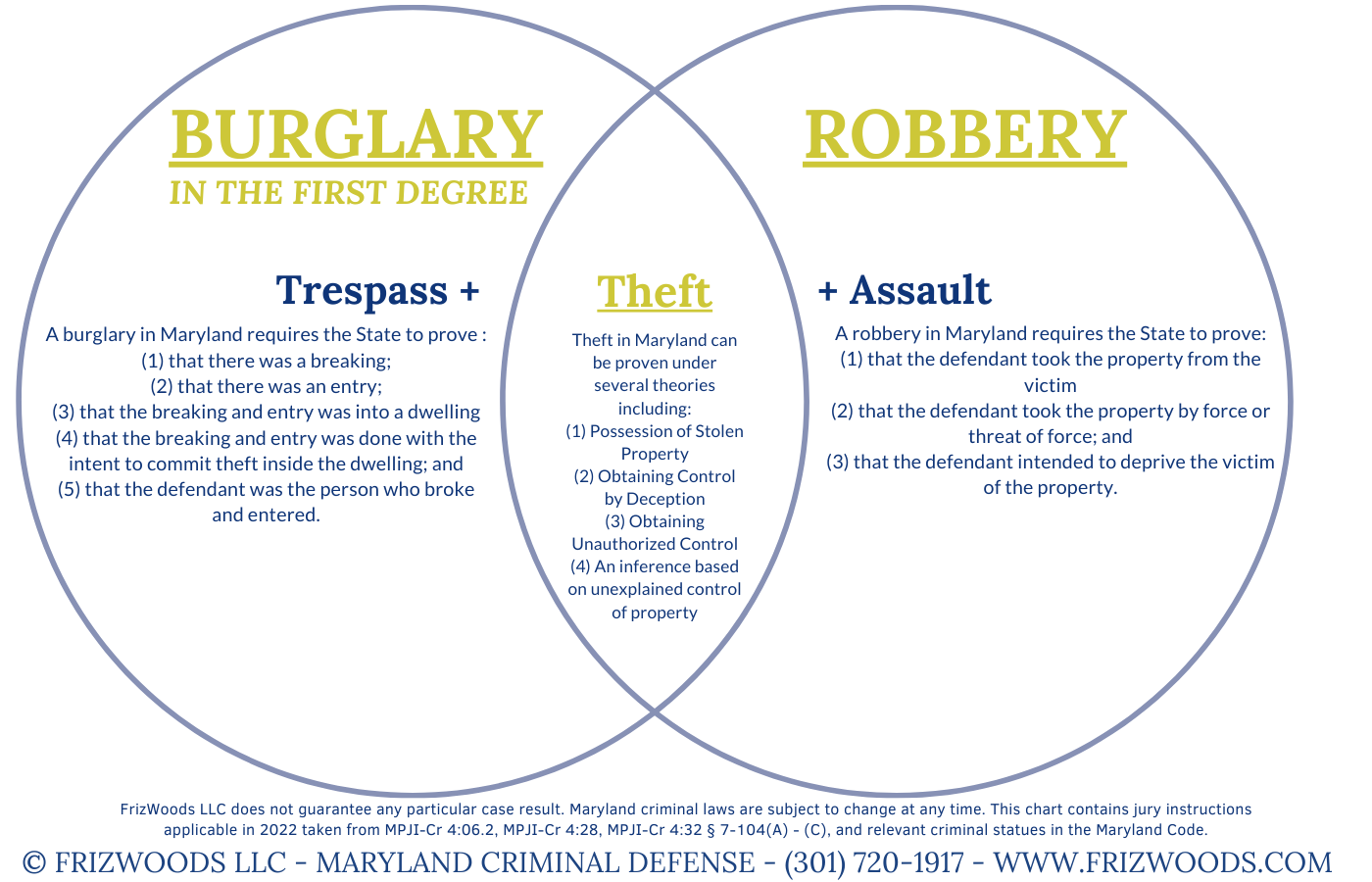
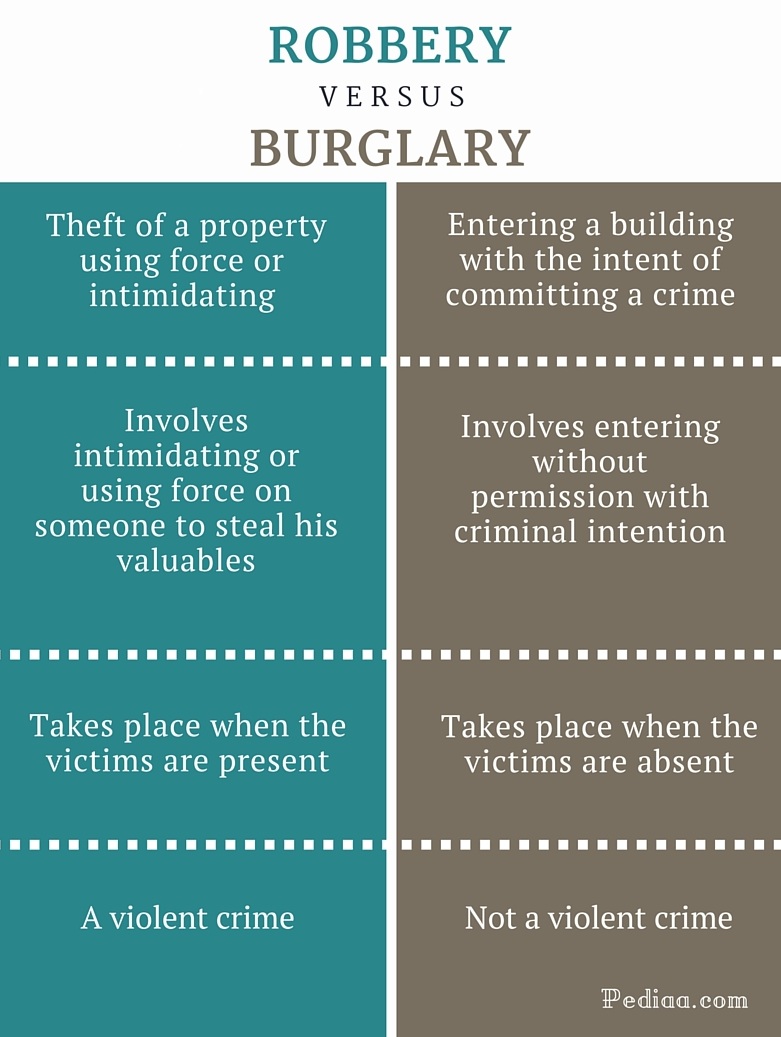
Now, let's turn our attention to burglary. This is where things get a bit more dramatic. Unlike theft, burglary is primarily about the act of unlawfully entering a structure (like a home, business, or even a vehicle) with the intent to commit a crime inside. And here's the crucial twist: that crime doesn't necessarily have to be theft!
Imagine someone breaking into a house to commit assault, vandalism, or even to plant evidence. If they entered unlawfully with the intent to commit any felony or specific misdemeanor once inside, that's burglary. They don't even need to successfully commit the intended crime; the act of unlawful entry with that specific intent is enough to constitute burglary. The "breaking" part isn't always literal either; it could be entering through an unlocked door or window, or even remaining in a place after it closes if you entered lawfully but now intend to commit a crime.
The Key Difference: Intent vs. Location
So, what's the big takeaway? The fundamental difference lies in where the crime takes place and the initial intent. Theft is about taking property, regardless of how you accessed it. Burglary is about unlawfully entering a structure with the intention of committing any crime once inside.
![What's the Difference between Burglary and Theft? [Infographic] | Blog](https://images.squarespace-cdn.com/content/v1/5bf92f2650a54f868ebcffb4/1546800637128-PJ9G49ZKZCUYAWF1CMMM/Whats-the-Difference-between-Burglary-and-Theft.jpg)
Here's a simple way to remember it: you can commit theft without committing burglary (e.g., shoplifting). And you can commit burglary without committing theft (e.g., breaking into a house to vandalize it, but taking nothing). Of course, it's entirely possible for both to occur: if someone breaks into your house (burglary) and then steals your TV (theft), they've committed both crimes!
Hopefully, this clears up the confusion between these two commonly misused terms. Now you can impress your friends with your legal savvy, knowing that while both are serious crimes, they address very different aspects of criminal behavior. Stay informed, stay safe, and enjoy being a little bit wiser!