
Difference Between Larceny And Robbery
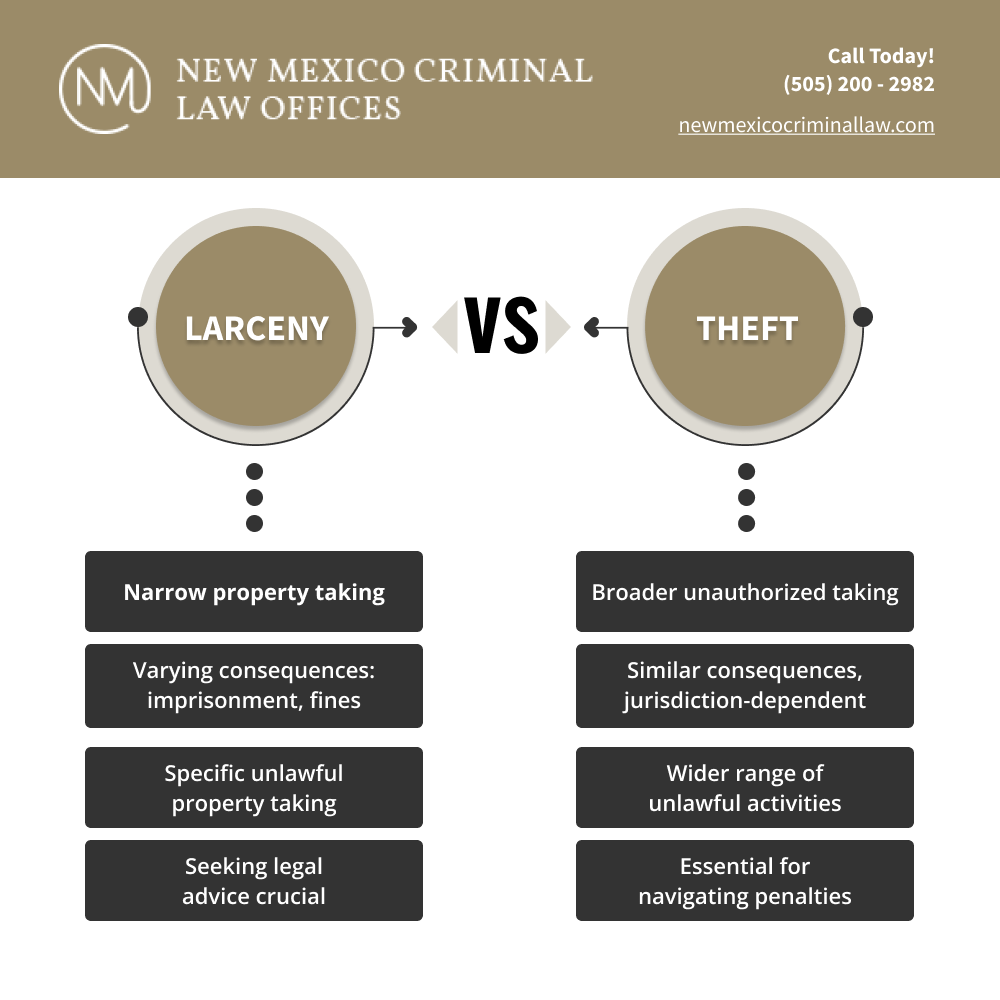
Ever had a friend jokingly say, "I'm going to rob your snack!" when they meant "I'm going to steal your snack!"? We all do it! But in the wonderfully weird world of legal definitions, there's a Grand Canyon-sized difference between larceny and robbery. It’s not just semantics, folks; it's a whole vibe shift!
Grab your detective hats, because we're about to untangle this legal knot with a playful twist. This isn't just boring legal jargon. This is about understanding human behavior, movie plots, and why saying "I stole that" isn't always the full story. Get ready for some fun facts!
Meet Larceny: The Sneaky Operator
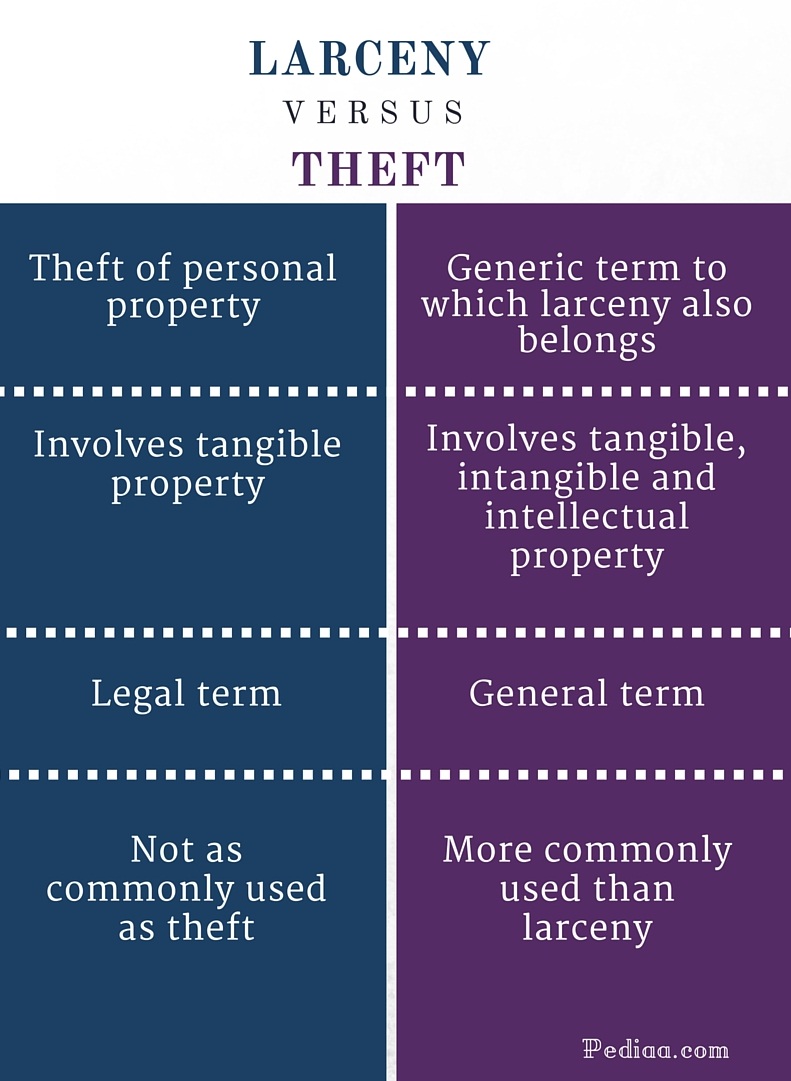
Let's kick things off with Larceny. Think of larceny as the quiet, unassuming ninja of property crimes. It's your classic, garden-variety theft. Someone spots your phone on a cafe table, you look away for a second, and poof! It’s gone. No dramatic confrontation. No threats. Just your stuff, now mysteriously absent.
Must Read
Larceny is all about taking property that doesn't belong to you. Crucially, it happens without the use of force, violence, or intimidation directly against a person. It's the art of the snatch. The subtle swipe. The disappearing act. Your wallet vanishes from your open bag. Your bike, unlocked for just a minute, disappears from the street. It’s like a magic trick, but a less fun one.
It’s often what we casually call "theft." "Someone stole my lunch from the fridge!" That’s usually larceny. The object is simply taken. The owner isn’t even aware it’s happening until after the fact. It’s a crime against property, pure and simple. Sometimes it’s called "grand larceny" for high-value items, or "petty larceny" for smaller ones. A stolen chewing gum? Petty. A stolen Picasso? Grand! See? Specifics!
Enter Robbery: The Drama Queen
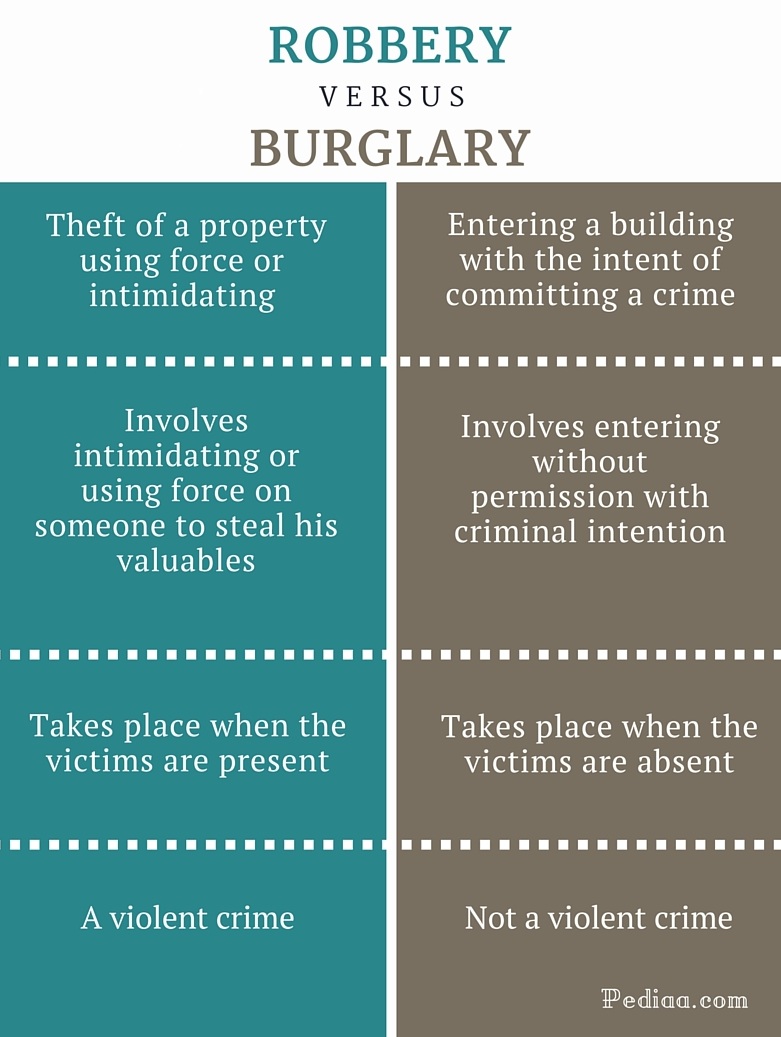
Now, brace yourself for Robbery. This crime brings the drama, the intensity, and a whole lot more fear! Robbery isn't just about taking property. Oh no. Robbery is about taking property directly from a person through the use of force, violence, or instilling fear. It’s a direct, terrifying confrontation.
Imagine this: someone shoves you against a wall and demands your watch. Or threatens you with a weapon to hand over your cash. That, my friends, is robbery. The key differentiator here is the interaction. There's a victim who is directly targeted, confronted, and made to feel unsafe. It's not just a crime against property; it’s also a crime against a person!
The threat doesn't even have to be physical. It could be a verbal threat that makes you genuinely believe you're in danger. "Give me your keys, or else!" That immediate fear, that direct demand, that’s the spicy ingredient that turns simple theft into a full-blown robbery. That's why penalties for robbery are significantly harsher. It’s a big deal!
The Big, Big Difference: Sneaky vs. Scary!
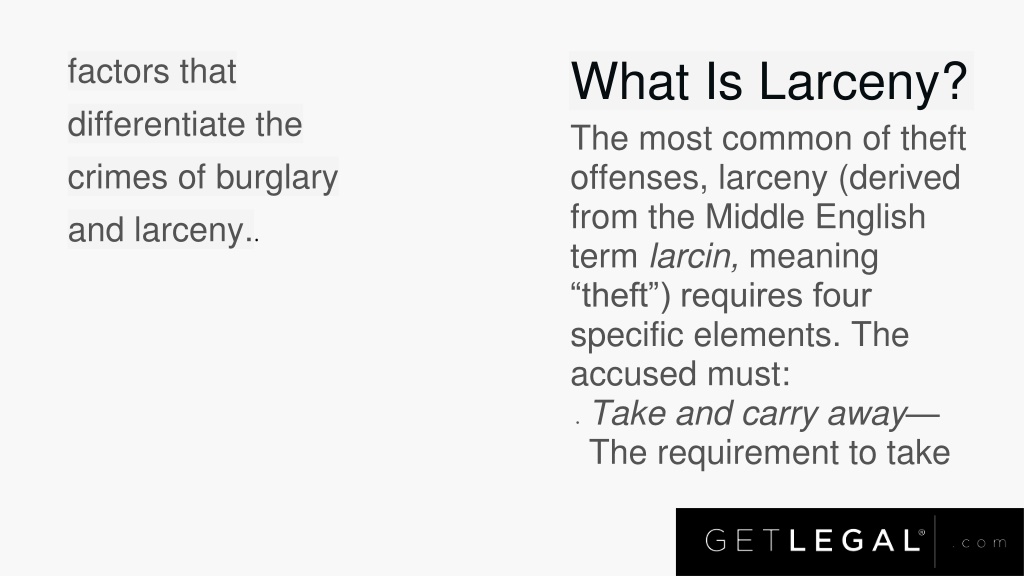
So, let's simplify: Larceny is sneaky; Robbery is scary.
- A pickpocket lifting your wallet without you noticing? That’s larceny.
- Someone cornering you in an alley and demanding your wallet? That’s robbery.
See the crucial distinction? One is quiet and surreptitious. The other is loud, direct, and terrifying. It’s the difference between a ninja vanishing with your cookie, and a pirate demanding your cookie at cutlass-point. Both want the cookie, but their methods are wildly different!
Quirky Facts & Fun Mental Exercises!
Here’s where it gets really fun! What if a squirrel snatched your unattended sandwich? That's animal larceny, right? (Don't call the cops on the squirrel, though. Jurisdiction issues.) But if a bear aggressively growled and lunged at you until you dropped your entire picnic basket? That's practically bear-y robbery! The immediate threat makes all the difference, even in the animal kingdom!
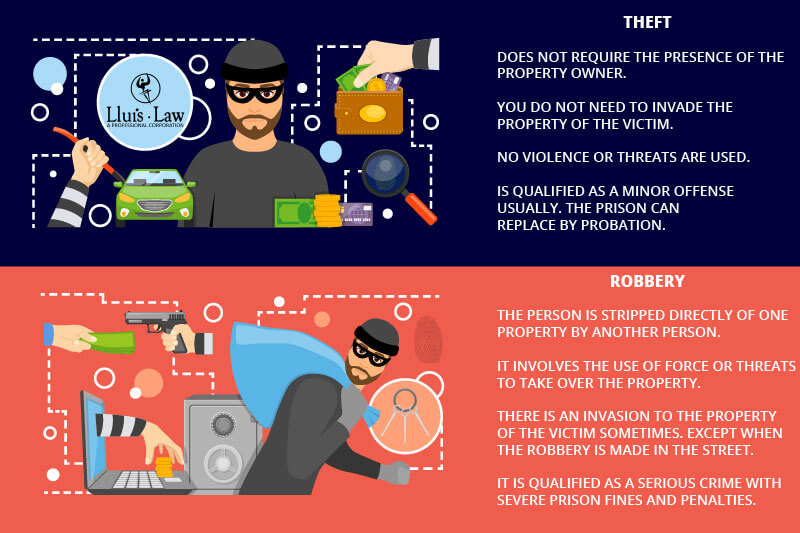
Did you know that some jurisdictions distinguish between taking something directly from your person (like a watch off your wrist) versus taking it from your immediate presence (like a purse from the seat next to you)? The nuances are wild! It's like a legal treasure hunt to figure out the exact crime committed.
And what about a 'con artist' who tricks you into giving them your money? That's not always larceny or robbery! It might be fraud. The legal world is a labyrinth of subtle distinctions, each term like a different secret passageway. It's fascinating!
Why This Is Actually Super Fun to Talk About
Why should you care about these legal distinctions? Because it makes you a savvy observer of life! You'll start noticing these differences in movies. Is it a clever heist where no one gets hurt (often more like larceny)? Or a tense bank stick-up with guns drawn (classic robbery)? Understanding this adds a whole new layer to your cinematic experience.
It also highlights how much thought goes into defining illegal acts. It's not just "bad thing." It's "how bad thing happened." These definitions aren't just for dusty law books; they reflect our society's understanding of harm, intent, and personal safety.
Plus, it's just plain cool to know! You can casually drop this knowledge at your next gathering. "Actually, darling, that wasn't robbery, it was clearly larceny!" Instant intellectual street cred. Who knew legal terms could be such a conversation starter?
So, the next time you hear someone say "stolen," take a moment. Was it a ghost-like vanishing act, or a dramatic, fear-inducing confrontation? You're now equipped to ponder the legal nuances. Stay curious, my friends, and remember: never underestimate the power of knowing the difference!