Difference Between Cyclone Typhoon And Hurricane

Okay, so picture this: I'm on vacation in Japan, slurping ramen and feeling all zen, when suddenly everyone starts talking about this HUGE storm. My initial thought? "Cool, a little rain will make the cherry blossoms even prettier!" Famous last words, right? Turns out, this wasn't just a little rain; it was a full-blown, raging typhoon. And that's when I started wondering… what’s the deal with these different storm names anyway? Are they all the same beast with different monikers?
Turns out, yes and no. They are all basically the same thing – a powerful, rotating storm system that forms over warm ocean waters near the equator. Think of it like calling your dog Fido, Spot, or Princess – same furry friend, different nicknames. But the reason for the different names comes down to geography. Location, location, location! It's all about where these swirling monsters decide to party.
The Geographic Divide: Where's the Party At?
So, let's break it down. We've got three main contenders in the "super-storm naming convention" game:
Must Read
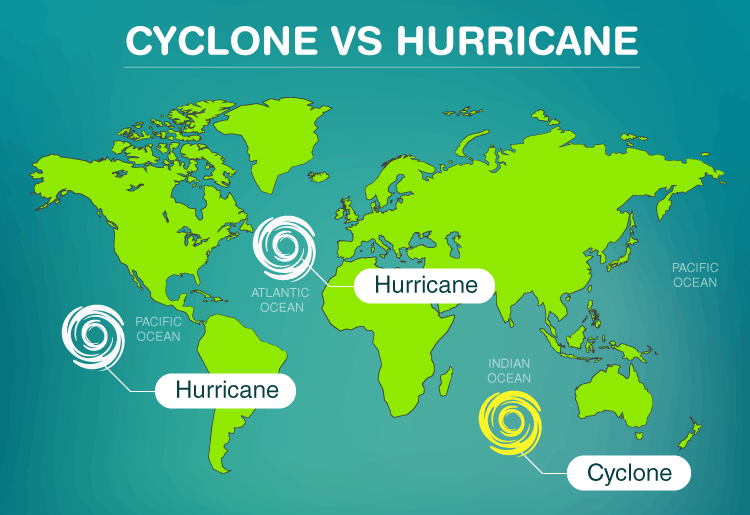
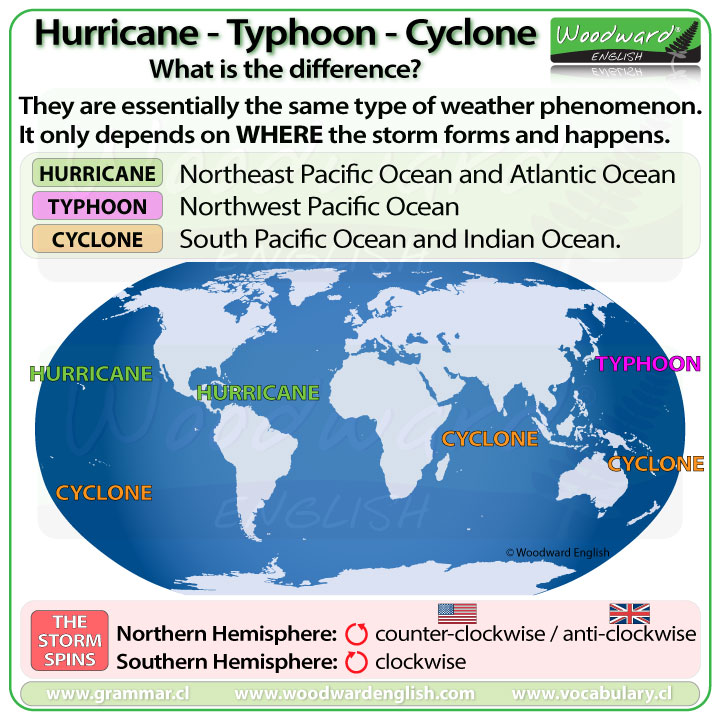
- Hurricanes: These are the storms that form over the North Atlantic Ocean, the Northeast Pacific Ocean (think off the coast of the Americas, from Mexico up to Canada), and the Central Pacific Ocean. Basically, if it's hitting Florida, Cancun, or even Hawaii (rare, but it happens!), you're dealing with a hurricane.
- Typhoons: Now, these are the storms that you'll find in the Northwest Pacific Ocean. Think Japan, the Philippines, China… basically, that whole area. So, that monster that almost ruined my ramen-eating vacation? That was a typhoon. (And FYI, ramen in typhoon weather is NOT recommended. Trust me on this one.)
- Cyclones: Everything else! The South Pacific Ocean, the Indian Ocean… if it's swirling around near Australia, India, or Madagascar, it's likely a cyclone. Sometimes, you'll even hear them called "tropical cyclones" to be extra specific.
Pretty simple, right? Think of it like different regional dialects. "Pop" vs. "Soda" vs. "Coke" – all the same fizzy drink, just different ways of saying it depending on where you are.
But Wait, There's More! (Because Weather is Complicated)
Okay, so we've got the location down. But there are a couple of other things worth mentioning. For example, the strength of the storm. All three types – hurricanes, typhoons, and cyclones – are categorized based on their sustained wind speeds. The most common scale used to measure hurricane strength is the Saffir-Simpson Hurricane Wind Scale, which goes from Category 1 (least intense) to Category 5 (catastrophic!). Typhoon and cyclone intensities are also measured based on wind speed, using scales specific to their regions.

Here's a pro tip: Regardless of what they're called, these storms are SERIOUS business. Category 3 or higher? You need to take cover. Don't be a hero. Your Instagram selfies can wait.
Why the Different Names?
Honestly, a big part of it is just historical and geographical precedent. Different regions developed their own systems for tracking and naming these storms. It’s just stuck that way. Plus, different meteorological organizations are responsible for forecasting and issuing warnings in different parts of the world. Each one has its own established protocols and terminology.

Think of it this way: Imagine if every country decided they wanted to name their own colors. We'd have a rainbow with 500 different shades of "slightly-less-red-than-yesterday" red! It'd be chaos! Keeping the naming conventions localized helps avoid confusion and ensures everyone in a specific region knows exactly what's being talked about.
So, next time you hear about a hurricane, typhoon, or cyclone, remember they're all powerful, rotating storms, just hanging out in different parts of the world. And more importantly, remember to take them seriously. Weather is nothing to joke about, especially when it’s throwing around cars and trees like they're toys. Stay safe out there!
And if you ever find yourself in Japan during typhoon season, maybe skip the ramen and stock up on some canned goods. Just saying. 😉