Difference Between Carbon Monoxide And Smoke Detector
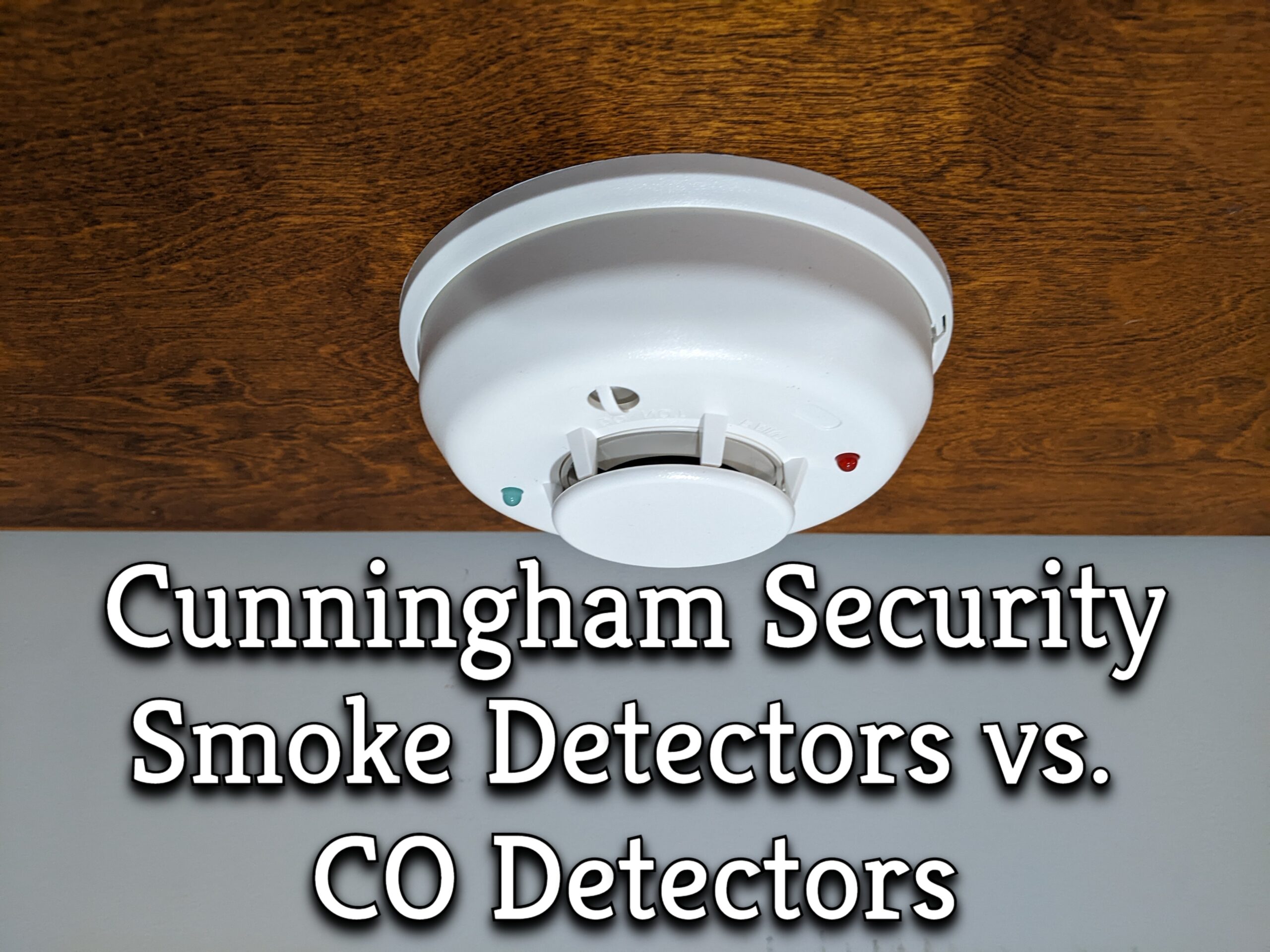
We all know that piercing shriek – the sound of a detector going off, usually when you've just burnt toast! But beyond the occasional kitchen drama, these little guardians play a vital role in keeping us safe. And here's a fun fact: not all beeps are created equal! Understanding the difference between a smoke detector and a carbon monoxide detector isn't just useful; it's essential for true home safety. Think of them as your home's dynamic duo, each with a unique superpower, working together to protect you from different, equally dangerous threats.
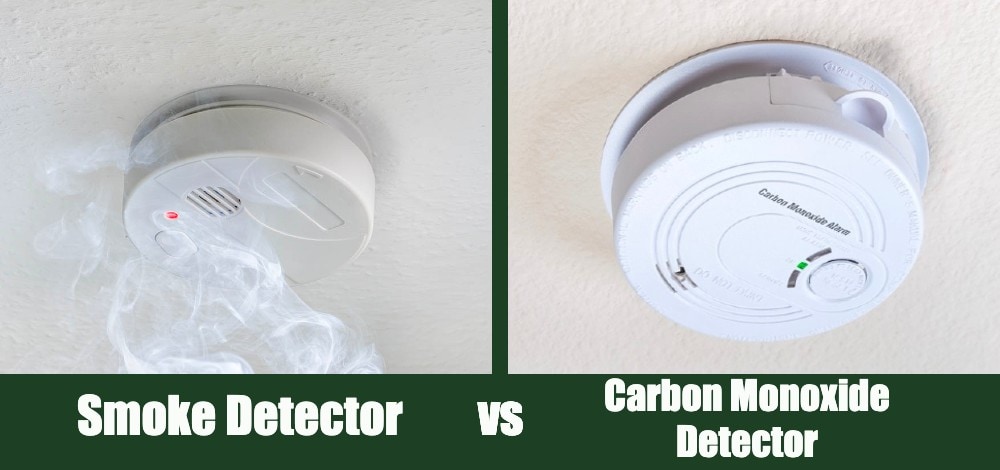
First up, let's talk about the classic hero: the smoke detector. This clever device is designed to detect smoke particles – those tiny bits of stuff floating in the air when something is burning. Whether it's a flickering ember turning into a blaze or an overloaded electrical outlet quietly smoldering, your smoke detector is on the lookout for the visible precursors to fire. Its purpose is simple: to give you and your loved ones precious minutes to escape a fire, before flames engulf your home. It's an early warning system for a very real, very hot threat, helping you protect what matters most.
Now, meet its equally important, yet often misunderstood, partner: the carbon monoxide (CO) detector. Unlike smoke, carbon monoxide is a silent, invisible killer. It's an odorless, colorless, tasteless gas that can be produced by faulty fuel-burning appliances like furnaces, water heaters, gas stoves, or even fireplaces. Your CO detector isn't looking for smoke; it's sniffing out this deadly gas. When CO levels rise to dangerous concentrations, it alerts you, often with a different type of alarm than a smoke detector, giving you time to ventilate your home or evacuate. It’s detecting a threat that you literally cannot see, smell, or taste, making it an indispensable part of your safety arsenal.
Must Read
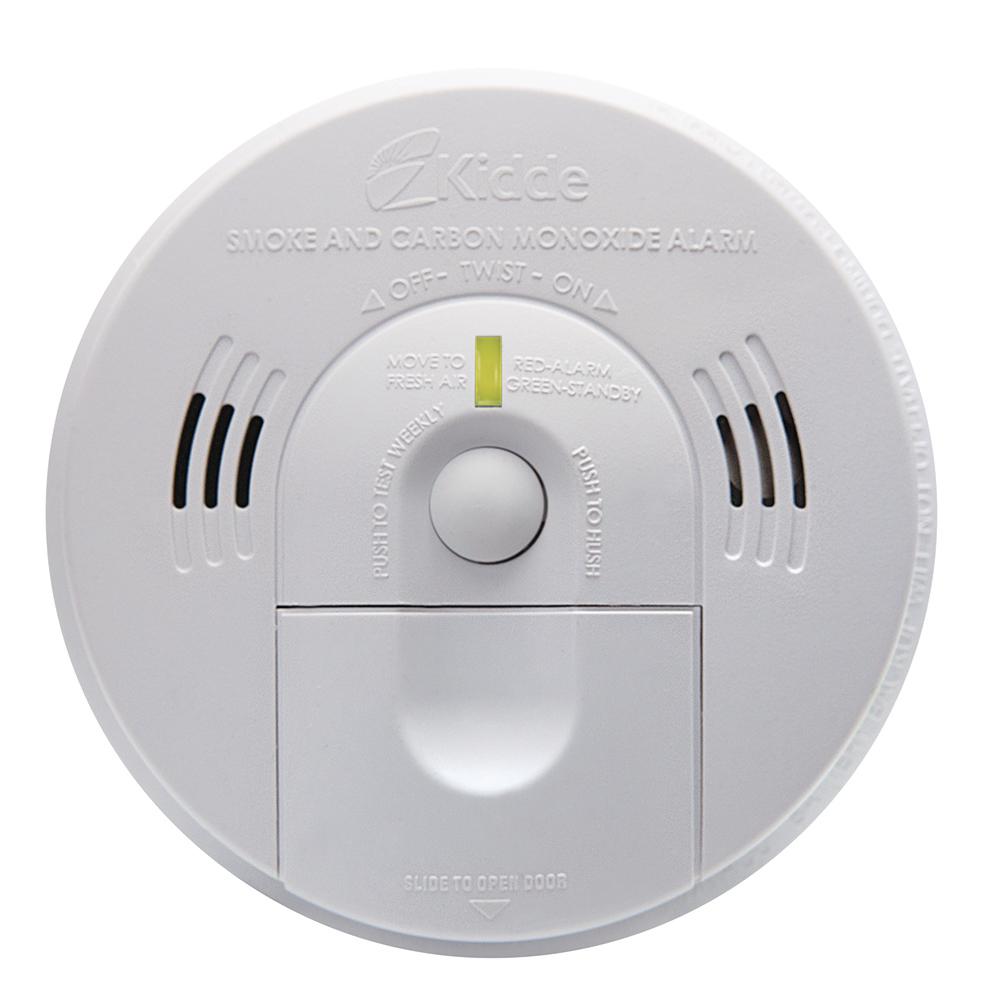
So, what’s the big difference? It’s pretty straightforward: a smoke detector sniffs out smoke from a fire, and a CO detector sniffs out invisible, poisonous carbon monoxide gas. They are looking for completely different dangers. Think of it this way: a smoke detector is like a firefighter, tackling visible flames and smoke. A CO detector is like a chemical sensor, warning you about an unseen toxic gas. One cannot do the job of the other. Having only a smoke detector won't protect you from CO poisoning, and a CO detector won't give you early warning of a developing fire. Each has its specific mission, and both are equally critical.
This is precisely why you need both in your home. A comprehensive home safety strategy includes overlapping layers of protection. A fire can occur without producing dangerous levels of CO (like an electrical fire), and CO poisoning can happen without any smoke or fire present at all (like a malfunctioning furnace silently leaking gas). Together, these two devices offer maximum protection and ultimate peace of mind. So, next time you hear a chirp, remember these unsung heroes. Take a moment to check your detectors – know which is which, ensure they're working, and you’ll be well on your way to a safer, sounder home. Stay safe, folks!