
Difference Between Carbon Monoxide And Dioxide
Imagine two distant cousins, both part of the same big carbon family. They share a similar last name, carbon, but their first names, and indeed their personalities, couldn't be more different! We're talking about carbon dioxide and carbon monoxide. They might sound alike, but trust us, they are like night and day.
One is a vital, bubbly friend who helps life flourish and makes your drinks exciting. The other is a silent, invisible trickster that you absolutely want to avoid. Let's dive into their fascinating stories and see what makes each one so incredibly unique.
Meet Carbon Dioxide: The Life of the Party!
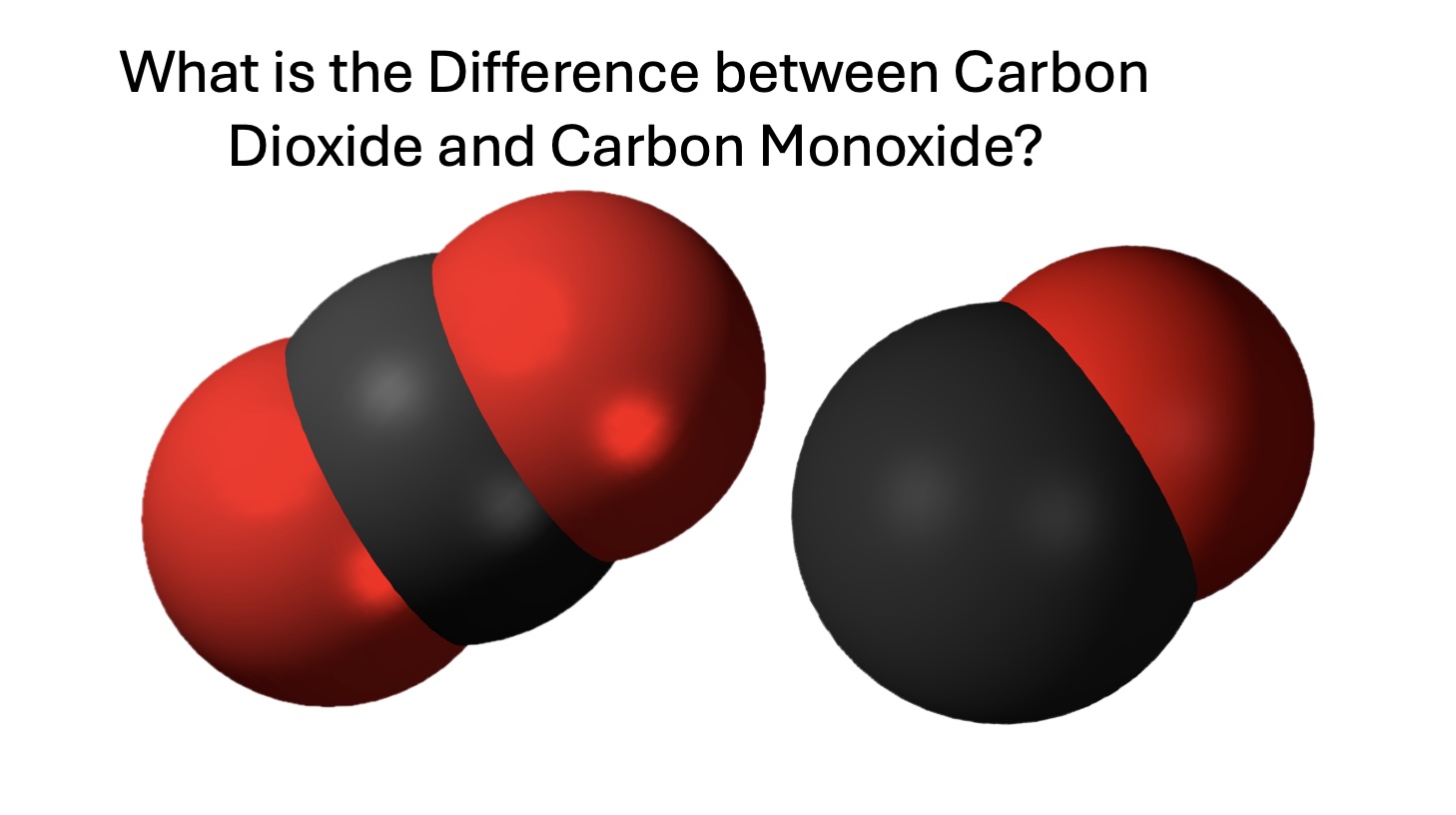
First up is carbon dioxide, often shortened to CO2. Think of CO2 as the friendly giant of the carbon world. It's made of one carbon atom bravely holding hands with two oxygen atoms.
Must Read
This gas is everywhere, doing amazing things! In fact, you just breathed some out. Every time you exhale, you're releasing CO2, a byproduct of your body's energy creation.
CO2 is the breath of life for plants.
But wait, there's more! Plants absolutely adore CO2. They gobble it up from the air through a magical process called photosynthesis. This is how they make their food, giving us the oxygen we breathe in return. It's a beautiful, natural cycle.
Beyond nature, CO2 is a real celebrity in our everyday lives. Have you ever enjoyed a sparkling soda or a fizzy drink? That delightful tingle on your tongue? That’s all thanks to dissolved CO2 bubbles.
It’s also the secret behind the dramatic misty effects you see at concerts or Halloween parties. We call it dry ice! Solid CO2 is super cold, and when it warms up, it turns directly into gas, creating that cool, spooky fog.

CO2 even plays the hero in fire safety. Many fire extinguishers use CO2 to smother flames by cutting off their oxygen supply. It’s a versatile gas, capable of both creating life and saving it.
On a grander scale, CO2 acts like a cozy blanket for our planet. It traps some of the sun's heat, keeping Earth warm enough for life to thrive. Without this natural greenhouse effect, our world would be a frozen wasteland.
So, in many ways, carbon dioxide is a truly special molecule. It’s bubbly, essential for life, a fantastic chiller, and even a planetary climate controller. What an overachiever!
Now, for Carbon Monoxide: The Silent Shadow
Now let's meet the other cousin: carbon monoxide, or CO. This gas has a much smaller fan club, and for very good reason! The difference between CO and CO2 seems tiny, but it's critically important.
CO is made of one carbon atom, just like its cousin, but it’s only paired with a single oxygen atom. Just one! That small change makes all the difference in the world.

While CO2 is a life-giver, CO is a sneaky imposter. It’s notorious for being completely invisible, having no smell, and no taste. You wouldn't even know it was there unless you had a special detector.
Carbon monoxide is often called the "silent killer."
So, where does this mysterious gas come from? CO is usually produced when fuels don't burn completely. Think about things like car exhaust fumes, faulty gas furnaces, wood-burning stoves, or even charcoal grills used indoors.
When you breathe CO, it’s where things get really serious. Our blood naturally carries oxygen throughout our bodies. But CO is a master of disguise; it can trick your blood cells.
Your red blood cells, which love carrying oxygen, actually prefer carbon monoxide! They cling to CO about 200 times more readily than they do to oxygen. This means CO starts to take oxygen's place.

Imagine oxygen trying to get into a packed bus, but CO just walks right in and takes all the seats! Soon, your body's vital organs, like your brain and heart, are starved of the oxygen they desperately need.
This lack of oxygen can lead to dizziness, headaches, nausea, and in severe cases, unconsciousness and even death. All without you ever seeing, smelling, or tasting a thing. That's why it's so dangerous.
But don’t worry, there's a superhero in this story: the carbon monoxide detector! These clever devices are like your personal gas spies, constantly sniffing the air. If CO is present, they sound a loud alarm.
Having a working CO detector in your home, especially near sleeping areas and anywhere fuel-burning appliances are, is a must. It's a simple step that can save lives from this invisible threat.
The Big Difference: Just One Oxygen Atom!
So, what's the grand takeaway from these two carbon cousins? It all boils down to that one tiny difference: the number of oxygen atoms. CO2 has two, making it stable and beneficial. CO has only one, making it unstable and highly reactive.

It’s like comparing a sturdy, friendly tripod (CO2) to a wobbly, single-legged stool (CO). That extra leg makes all the difference in stability and function.
Carbon dioxide is a fantastic building block for life and a crucial part of Earth's systems. It creates fizz, helps plants grow, and keeps us warm. It's generally well-behaved in normal concentrations.
Carbon monoxide, however, is a warning sign of incomplete processes. It’s a stark reminder that even a subtle change in a molecule's structure can turn a harmless substance into a serious danger.
These two gases, despite their similar names, offer a captivating lesson in chemistry. They show us how atomic arrangements dictate character, impact, and even safety. It’s truly amazing how much difference a single atom can make!
So, next time you see the bubbles in your drink or hear a safety alarm, remember these two remarkable carbon cousins. They’re a testament to the incredible and sometimes surprising world of chemistry that surrounds us every single day. Stay curious, and stay safe!