Difference Between Burglar And Robber

Ever found yourself watching a crime drama or reading a news story and wondered if the terms "burglar" and "robber" are really interchangeable? You're not alone! It's one of those common linguistic quirks that many of us use interchangeably without a second thought. But guess what? There's a pretty clear, and surprisingly significant, difference between the two. Understanding it isn't just about sounding smart; it adds a fun layer to your everyday conversations and helps you appreciate the nuances of language, especially when discussing legal matters or even just storytelling.
So, why bother with this distinction? For beginners, or really anyone curious, it's a fantastic little piece of general knowledge that instantly clears up common confusion. No more second-guessing! For families, it can spark a fun, lighthearted discussion around the dinner table or during movie night. You can even turn it into a quick quiz: "Was that character a burglar or a robber?" For hobbyists, particularly true crime aficionados, aspiring writers, or even just avid readers, knowing the precise terminology is invaluable. It ensures accuracy in your discussions, reviews, or your own creative endeavors, making your insights all the more credible and sharp.
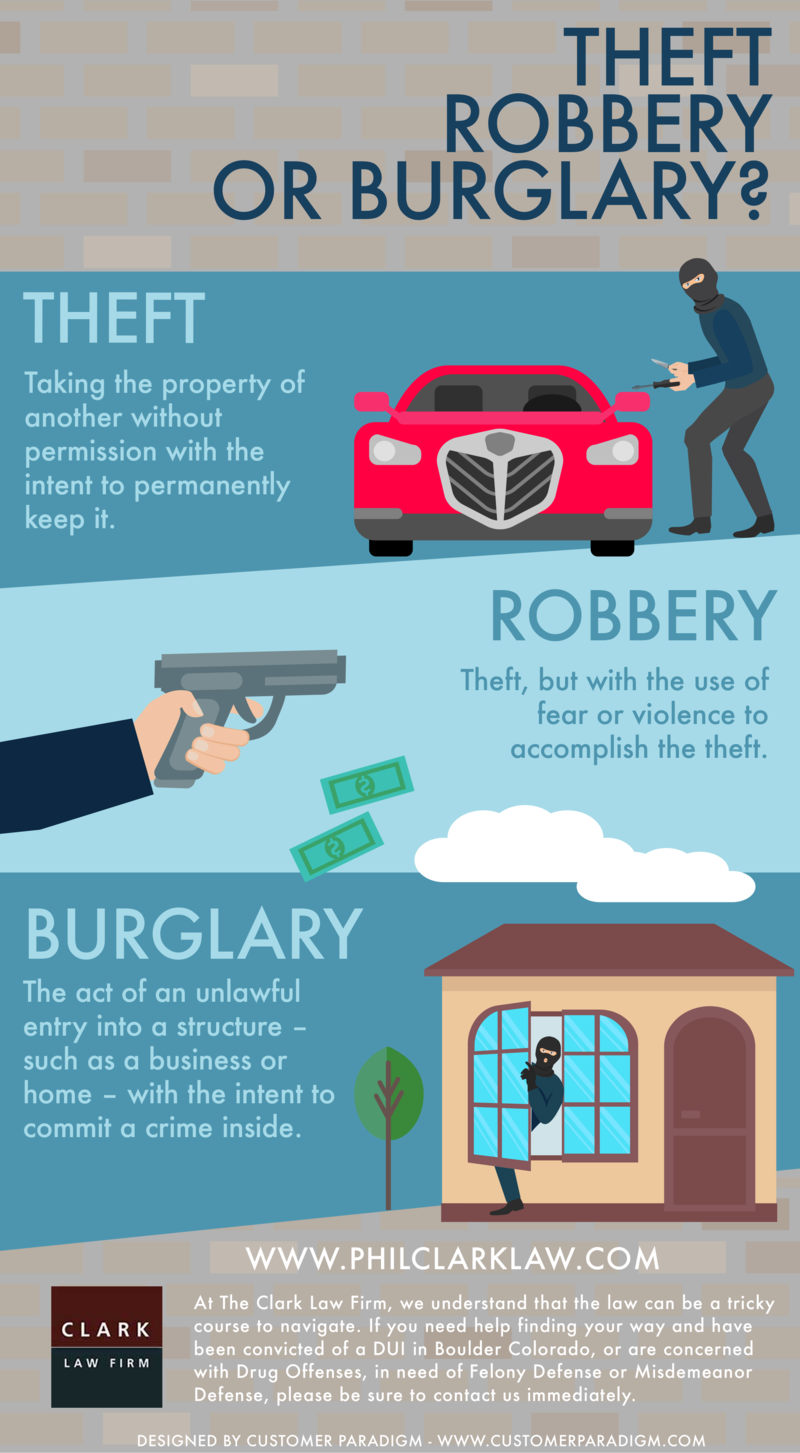
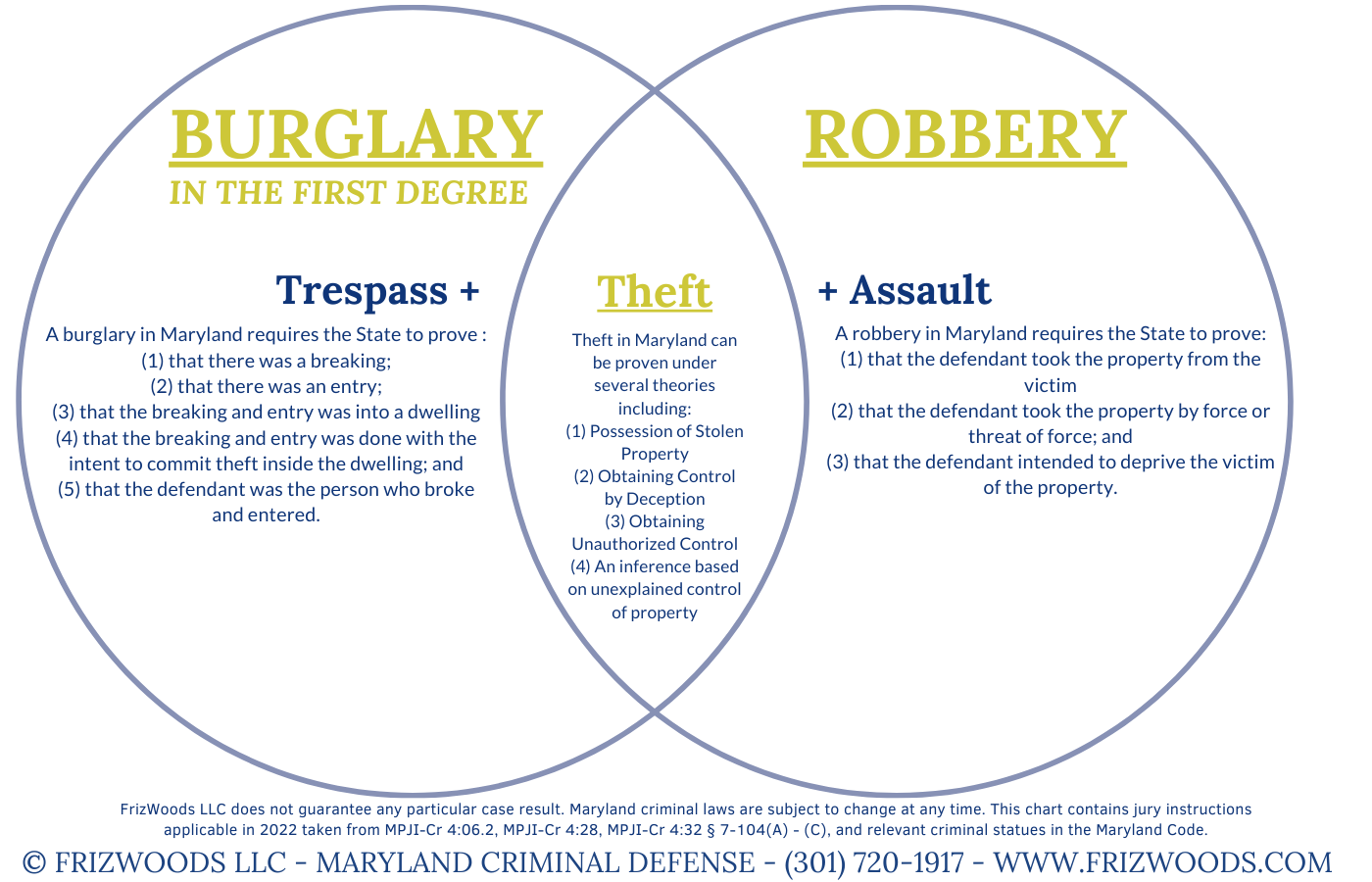
Let's dive into the core difference with some easy examples. A burglar is someone who commits burglary. Think of it as a crime against property. The key elements are typically breaking and entering a building or structure with the intent to commit a crime (usually theft). The crucial point here is that a burglar generally wants to avoid any confrontation with people. They're looking for an empty house, a closed business, or even a parked car. For instance, if someone sneaks into your house while you're at work and steals your TV, that's a burglar. They entered a structure unlawfully, but no person was directly confronted or threatened during the act of taking property.
Must Read
On the other hand, a robber commits robbery. This is a crime against a person. The defining characteristic of a robbery is the use of force or the threat of force (or intimidation) to take property directly from another person. This means there's always a direct confrontation. If someone holds a gun to a bank teller and demands money, that's a robber. If someone snatches your purse directly from your hand on the street, using force or intimidation, that's also a robber. The presence of a victim, and the direct threat or use of violence, is what sets a robber apart from a burglar.

Ready for a simple trick to remember the difference? Think of the letter 'B' for Burglar as for Building or Breaking in. They primarily target a place. Think of the letter 'R' for Robber as for Real person or Risk of violence. They primarily target a person. When you encounter these terms, just ask yourself: "Was a person directly confronted with force or threats?" If yes, it's a robber. If no, and it's about unlawfully entering a place to steal, it's a burglar.
Isn't it satisfying to unravel these linguistic mysteries? Knowing the clear distinction between a burglar and a robber is a small but mighty addition to your vocabulary. It enriches your understanding, makes you a more discerning reader and listener, and frankly, it just feels good to know the correct terms. So go ahead, impress your friends and family with your newfound knowledge – it’s a tiny detail that carries significant value!