
Diet Dr Pepper Nutrition Facts

Okay, so picture this: I'm at my grandma's, right? And she's offering me a soda. Now, Grandma isn’t exactly known for her kale smoothies. She's a Diet Dr Pepper enthusiast. Like, bordering-on-stockpiling enthusiast. I politely decline (trying to be all healthy and whatnot), and she gives me that look. You know the one. The "you think you're too good for my Diet Dr Pepper?" look. So, I caved. And then I started wondering... what exactly am I drinking?
Which led me down a rabbit hole of Diet Dr Pepper nutrition facts. And let me tell you, it’s… well, let’s explore it together, shall we?
The Big Zero: Calories, Fat, and Sugar
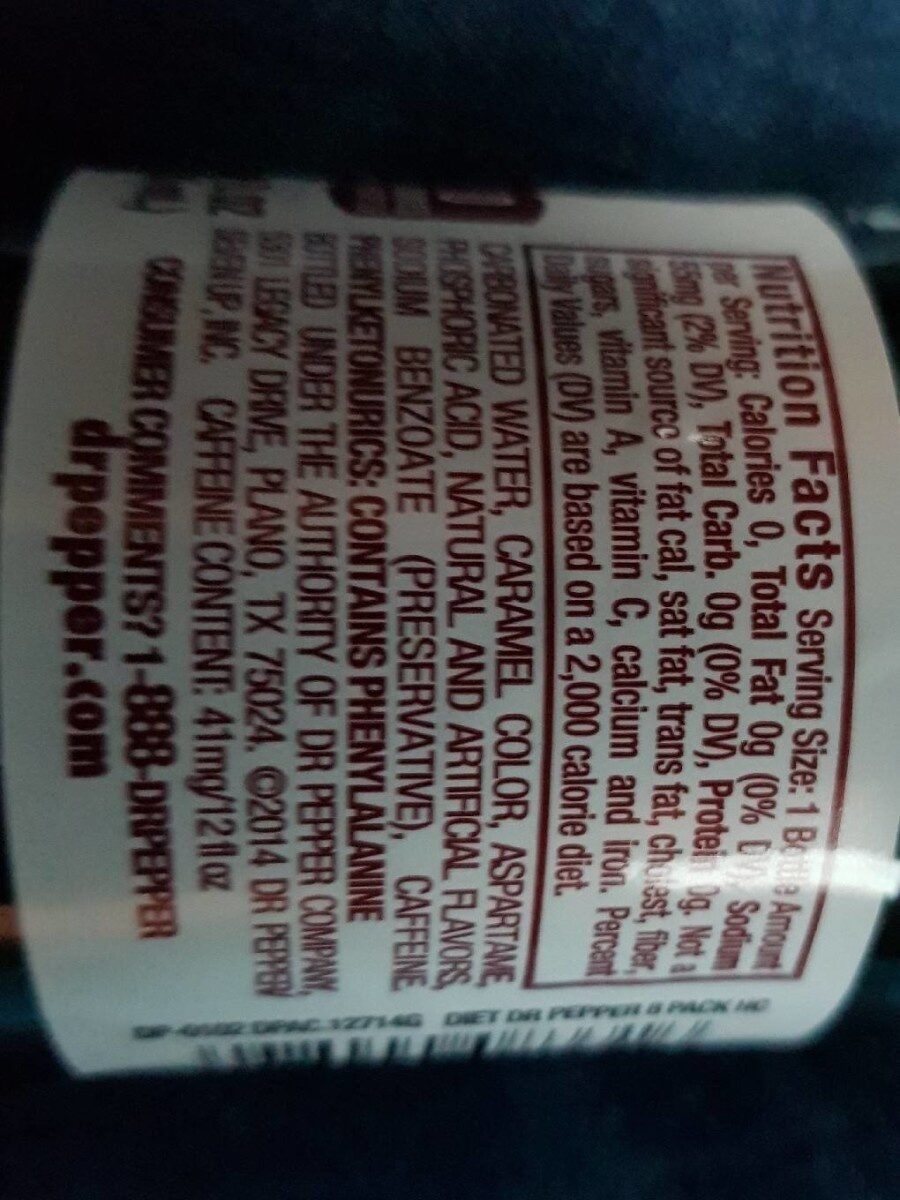
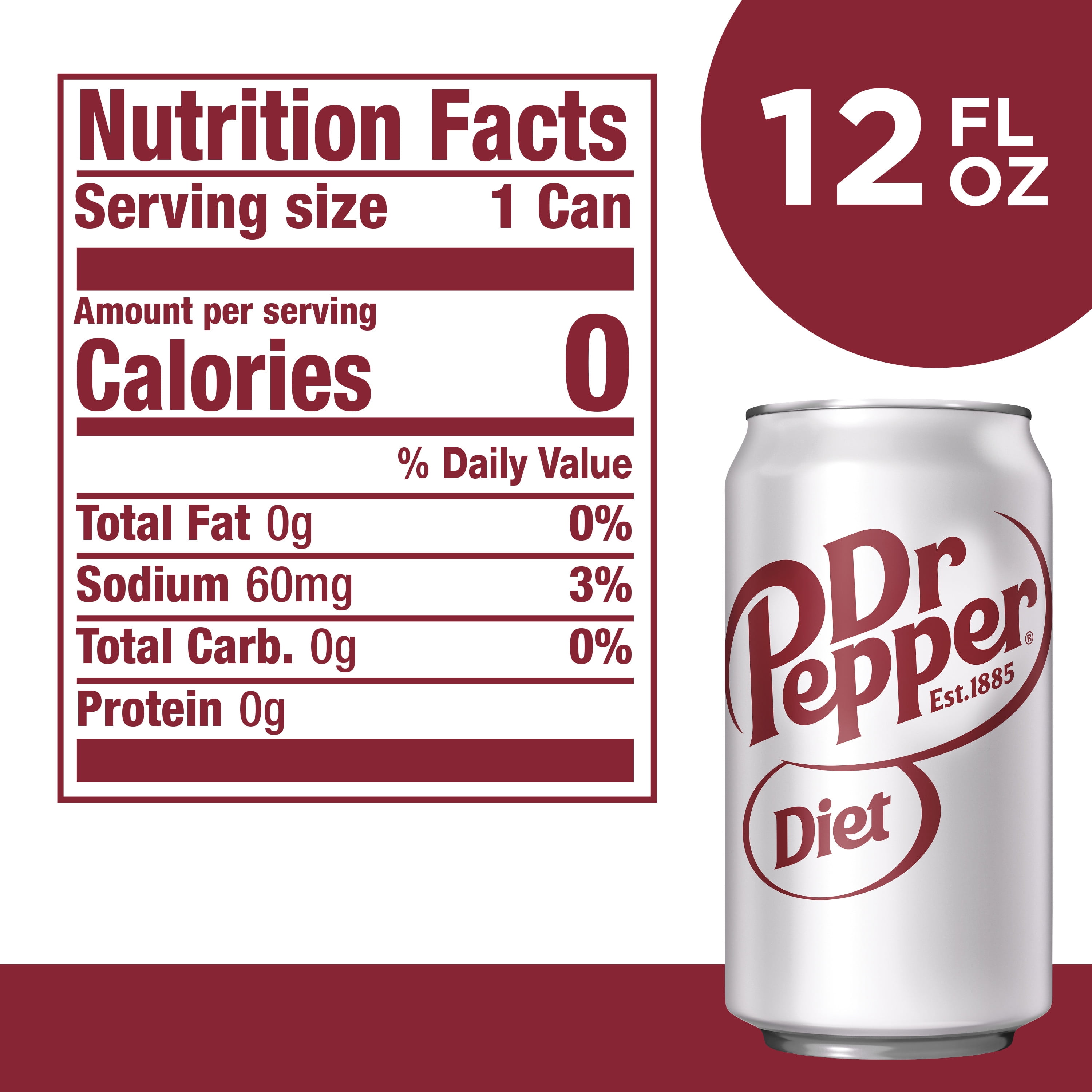
The first thing everyone wants to know (especially if you’re trying to avoid Grandma’s guilt trip without actually wrecking your diet) is the calorie count. Drumroll please… it’s zero! Yep, zero calories, zero grams of fat, and, most importantly, zero grams of sugar. That’s the whole point of the "Diet" part, after all.
Must Read
Side note: It's honestly kind of amazing how they can make something taste like... well, Diet Dr Pepper, with absolutely no sugar. Wizardry, I tell you. Pure wizardry.
But here's where things get a little more complicated (and where the internet starts to get real judgy). If it’s not sugar, what is sweetening this brown bubbly concoction?

The Sweeteners: Aspartame and Acesulfame Potassium
Diet Dr Pepper uses artificial sweeteners to achieve that signature sweet taste. Specifically, it uses a combination of aspartame and acesulfame potassium (also known as Ace-K).
Now, before you freak out and start googling "aspartame dangers," let's be real. These sweeteners have been approved by regulatory bodies like the FDA. That doesn't mean they're necessarily good for you (we'll get to that later), but it does mean they're generally considered safe in moderation.
Moderation being the key word here, folks. Don’t go chugging Diet Dr Pepper like it’s water. Even water can be dangerous in excessive amounts, you know?
Other Nutrition-y Things
Beyond the calories, fat, and sugar, Diet Dr Pepper doesn't offer much in the way of traditional nutrients. You're not going to find any vitamins, minerals, or fiber here. (Sorry to burst your bubble if you were hoping for a secret health elixir.)
What you will find is:

- Sodium: About 55mg per can. Not a ton, but if you're watching your sodium intake, it's worth noting.
- Caramel Color: This gives Diet Dr Pepper its signature dark color.
- Phosphoric Acid: This contributes to the tartness of the soda. Also, it's been linked to potential bone density issues (though the evidence is still debated).
- Caffeine: A standard 12-ounce can of Diet Dr Pepper contains about 41mg of caffeine. That's less than a cup of coffee, but enough to give you a little boost.
Think of it this way: it’s a pick-me-up, not a nutritional powerhouse.
The Takeaway: Is Diet Dr Pepper "Healthy"?
Okay, the million-dollar question: Is Diet Dr Pepper healthy? The short answer is: No, probably not.
While it's calorie-free and sugar-free, it's still a processed beverage loaded with artificial sweeteners and other ingredients that don't offer any real nutritional value. Plus, there are ongoing debates about the long-term effects of artificial sweeteners on gut health, cravings, and overall well-being.
However, if you're using Diet Dr Pepper as a way to cut back on sugary sodas and manage your calorie intake, it can be a better choice than the regular version. It's all about moderation and making informed decisions.
Ultimately, it’s your body, your choice. But maybe Grandma shouldn’t be drinking three cans a day, just sayin’.
So, the next time you reach for a Diet Dr Pepper, remember this: it’s a treat, not a health food. Enjoy it in moderation, and be aware of what you're putting into your body. And maybe offer Grandma a glass of water once in a while, too.