Dichlorine Monoxide Polar Or Nonpolar

Ever wonder why some things mix well with water, like sugar, while others, like oil, just stubbornly refuse? It all boils down (pun intended!) to something called polarity, a concept deeply rooted in the world of molecules. And what better molecule to explore this idea with than something a little… unusual? Let’s dive into the fascinating world of dichlorine monoxide (Cl2O) and figure out if it's polar or nonpolar. Trust me, understanding this simple molecule opens a door to understanding how countless substances interact around you!
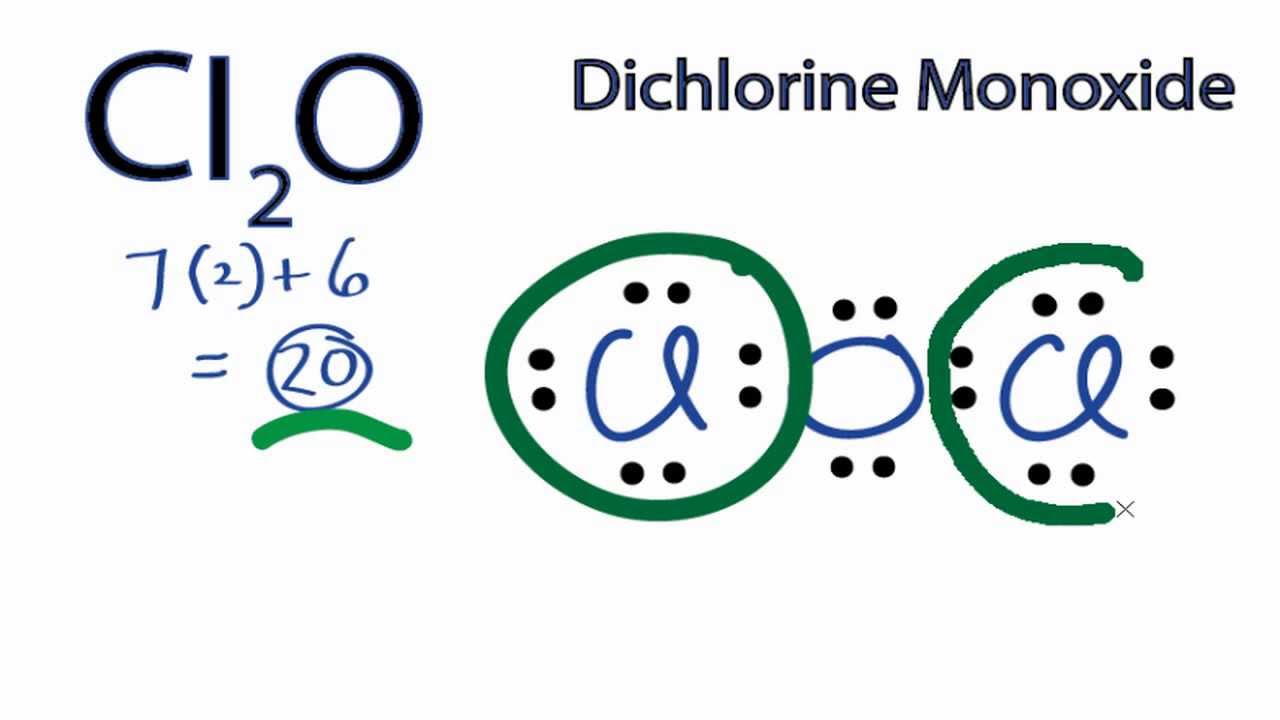
Dichlorine monoxide, despite its intimidating name, is quite a simple molecule: two chlorine atoms linked to a single oxygen atom. While it isn’t exactly gracing our breakfast tables anytime soon – it's a powerful and rather explosive oxidizer! – understanding its properties, including its polarity, is incredibly useful in chemistry. It serves as an excellent, albeit reactive, intermediate in various chemical reactions, particularly in the synthesis of other chlorine-containing compounds. And perhaps more importantly for us, it provides a fantastic example to illustrate fundamental concepts about molecular structure and bonding.
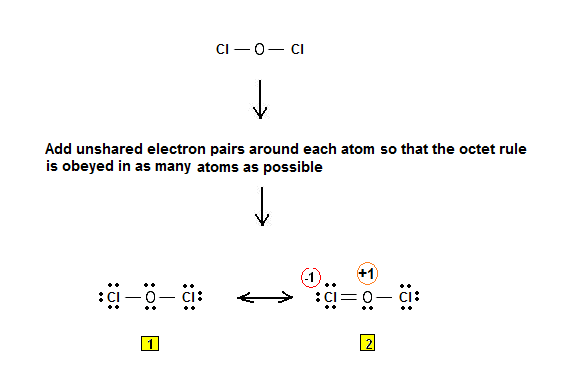
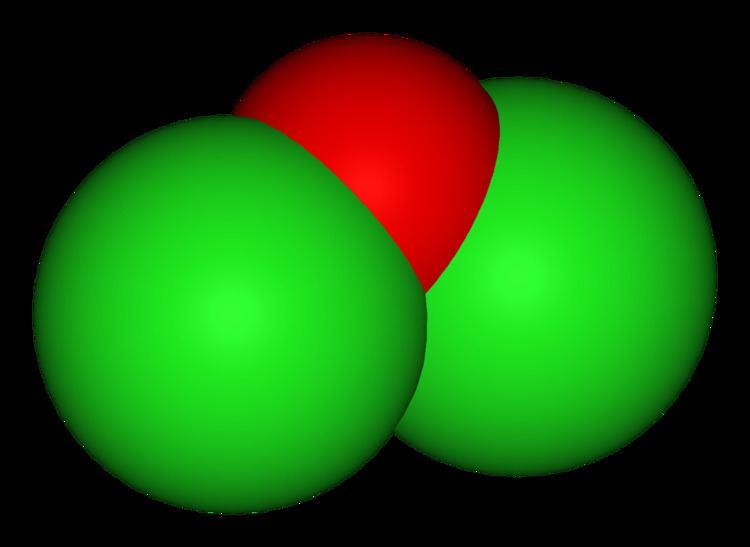
So, the million-dollar question: is it polar? The answer is a resounding yes! But why? To understand this, we need to remember that polarity arises from unequal sharing of electrons in a chemical bond. Oxygen is more electronegative than chlorine. This means it pulls the shared electrons in the Cl-O bonds closer to itself, creating a slight negative charge (δ-) on the oxygen atom and a slight positive charge (δ+) on each of the chlorine atoms. This unequal distribution of charge creates a dipole moment within each Cl-O bond. Furthermore, the molecule isn't linear; it has a bent shape. This bent shape is crucial because it prevents the individual bond dipoles from canceling each other out. Instead, they add up, resulting in a net dipole moment for the entire Cl2O molecule. This overall dipole moment makes dichlorine monoxide a polar molecule.
Must Read
While you likely won't encounter Cl2O in your daily life outside of a chemistry lab (and you definitely shouldn’t try to make it!), the principle of polarity it demonstrates is everywhere. Consider dish soap. It contains molecules with both polar and nonpolar regions, allowing it to bridge the gap between oily grime (nonpolar) and water (polar), washing away the dirt. Understanding polarity also helps explain why some solvents are better at dissolving certain substances than others. "Like dissolves like" is the general rule: polar solvents dissolve polar solutes, and nonpolar solvents dissolve nonpolar solutes.
Want to explore polarity further? A simple experiment you can do at home (with adult supervision, of course!) involves mixing oil, water, and food coloring. Notice how the food coloring (which is usually polar) dissolves readily in the water (also polar) but not in the oil (nonpolar). You can also explore how different types of sugar dissolve in water – even subtle changes in their molecular structure can affect their polarity and solubility. Finally, check out online resources and interactive simulations that allow you to visualize dipole moments in different molecules. Understanding dichlorine monoxide, and its polar nature, is a fantastic gateway to understanding the fascinating world of molecular interactions and the chemical principles that govern the world around us.