
Detectores De Humo Y Monóxido De Carbono

Ever walked into a room and barely noticed those little white discs stuck on the ceiling or high on a wall? They’re just... there, right? Like a silent, unassuming part of your home’s furniture. But what if I told you these seemingly boring gadgets are actually your home's unsung heroes, full of fascinating tech and quietly performing one of the most important jobs around?
We’re talking about smoke and carbon monoxide detectors, and trust me, they're way cooler than you might think. Let's peel back the layers and see why these guardians deserve a little more attention (and appreciation!).
Your Home's Tiny, Tireless Nose: Smoke Detectors
Imagine your house having its own personal nose, one that never sleeps, never gets a cold, and is constantly sniffing around for trouble. That’s essentially what a smoke detector is! It's not just sitting there, it's actively monitoring the air for the very first whisper of smoke. Pretty neat, huh?
Must Read
How do they do it? Well, there are two main types, each with its own clever way of detecting danger:
First up, we have the ionization smoke detector. Think of this one like a tiny, invisible electric fence. It has a small chamber with two electrically charged plates and a minuscule amount of radioactive material (don't worry, it's safe!). This creates a constant, small electrical current. When smoke particles, which are charged, float into this chamber, they disrupt that current. It’s like breaking a laser tripwire! The detector immediately knows something’s wrong and sounds the alarm. These are particularly good at sensing the tiny particles from fast-flaming fires.
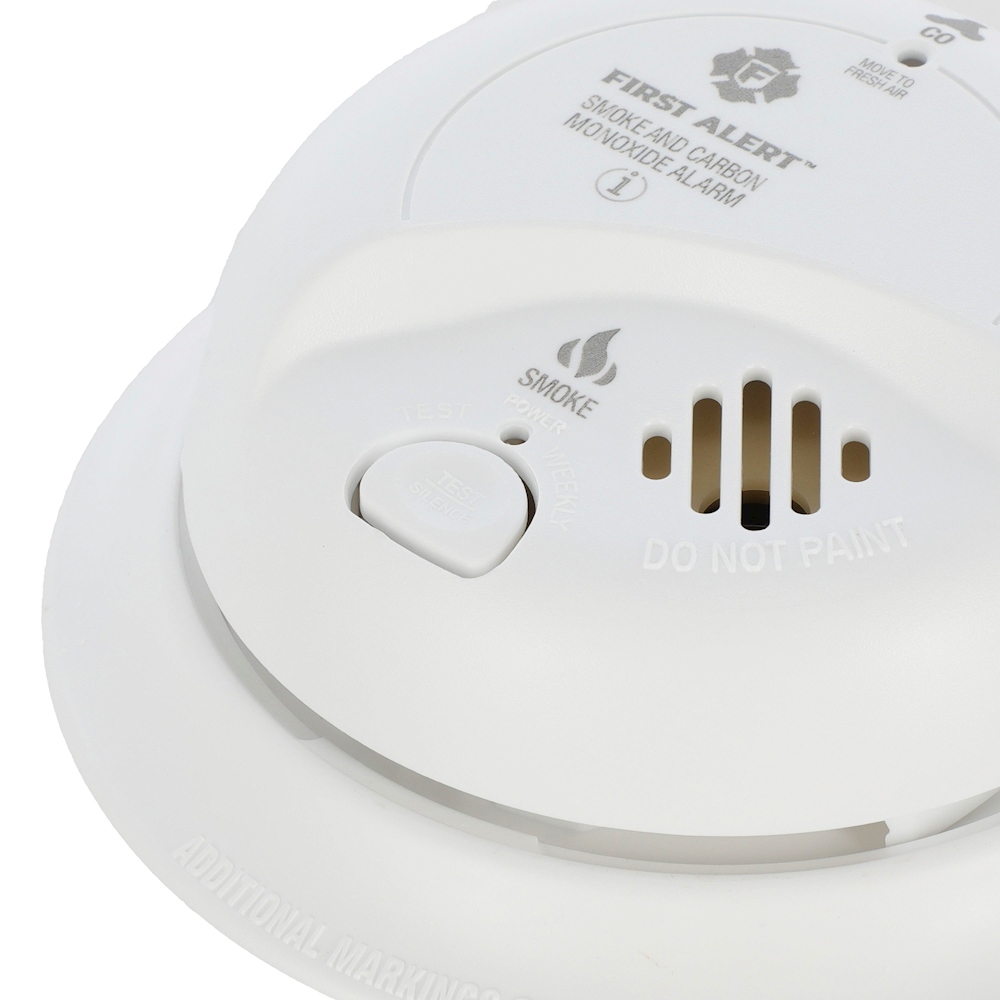
Then there’s the photoelectric smoke detector. This one is more like a watchful eye. Inside, it has a light source (often an LED) and a sensor, typically positioned so the light beam doesn't directly hit the sensor. When smoke enters the chamber, it scatters the light, causing some of it to bounce and hit the sensor. It’s like shining a flashlight into a dusty room and seeing the dust motes twinkle – except here, the twinkling smoke is bad news! Photoelectric detectors are generally better at detecting larger particles from slow, smoldering fires.
So, you see, these little devices aren't just one-trick ponies; they have sophisticated ways of "seeing" and "smelling" danger before you ever would. They don't just alert you to smoke; they buy you crucial minutes – time that can make all the difference in getting you and your loved ones to safety.
The Invisible Bodyguard: Carbon Monoxide Detectors
Now, let’s talk about a truly sneaky villain: carbon monoxide (CO). This gas is the ultimate silent predator. You can’t see it, you can’t smell it, and you can’t taste it. It’s like a ninja in your home, completely undetectable to human senses. But here's the scary part: CO is incredibly dangerous because it replaces oxygen in your bloodstream, slowly suffocating you without any warning signs your body can pick up.
This is where your carbon monoxide detector swoops in like an invisible superhero. These devices are specifically designed to detect this insidious gas, acting as a dedicated "sniffer" for something you'd never know was there.

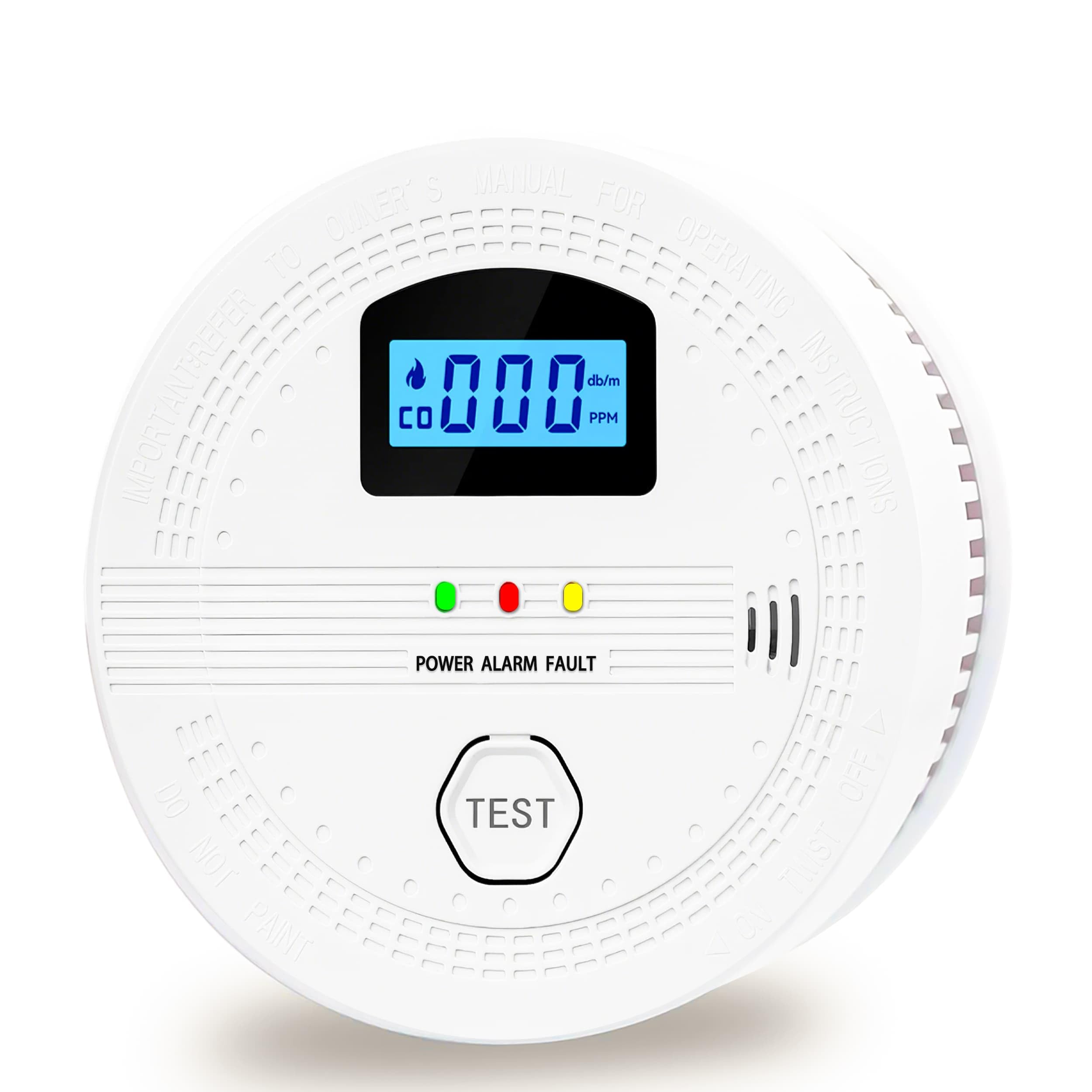
How do they work their magic? Most modern CO detectors use an electrochemical sensor. Inside, there's a gel that produces a small electrical current when it reacts with carbon monoxide. The more CO in the air, the stronger the current. The detector then "reads" this current, and if it reaches a dangerous level, BEEP BEEP BEEP! – it screams for your attention. It’s a bit like a tiny chemical laboratory constantly working to keep you safe.
CO is produced by things like malfunctioning furnaces, gas stoves, water heaters, clothes dryers, fireplaces, or even a car left running in an attached garage. Essentially, anything that burns fuel can be a source. Since you can’t detect it yourself, having a CO detector is like having a sixth sense for an invisible threat, providing a vital early warning system that literally saves lives.

The Dynamic Duo: Combo Units
Why have two separate devices when one can do both? Many homes now opt for combination smoke and carbon monoxide detectors. These clever gadgets bring together the best of both worlds, offering comprehensive protection in a single, convenient unit. It’s like having a two-in-one superhero watching over your home, ready to tackle both visible smoke and invisible gas dangers.
Keeping Your Guardians Ready for Action
These silent protectors are truly amazing, but like any good superhero, they need a little looking after to stay at peak performance. Here are some quick tips:
- Placement is key: Install smoke detectors on every level of your home, inside and outside sleeping areas. For CO detectors, place them near sleeping areas and on every level, especially where fuel-burning appliances are.
- Test them regularly: That little button on the detector? It's for testing! Push it once a month to make sure the alarm sounds. It’s like giving them a quick check-up to ensure they’re ready for duty.
- Change batteries: If your detector starts chirping, it’s not saying hello; it’s telling you its battery is low! Replace batteries immediately. A good rule of thumb is to change them twice a year, perhaps when you adjust your clocks for daylight saving time.
- Know their lifespan: Smoke and CO detectors don’t last forever. Most have a lifespan of about 7-10 years. Check the back for a manufacturing date and replace them when they expire. Think of it like retiring a valiant old warrior.
So, the next time you glance up at that little disc on your ceiling, don't just see a piece of plastic. See a marvel of engineering, a vigilant guardian, and a vital piece of technology quietly working to keep you and your loved ones safe. They may be small and unassuming, but their job is enormous, and their presence brings an incredible amount of peace of mind. Pretty cool, right?