
Deregulated Vs Regulated Energy Markets

Alright, settle in, grab your imaginary (or actual, no judgment here) coffee, because we're about to tackle a topic so thrilling, so utterly electrifying, it usually puts people to sleep faster than a particularly dry textbook on, well, energy markets.
But fear not! Today, we're making it fun. We're diving into the epic, slightly bewildering showdown between Regulated and Deregulated Energy Markets. Think of it less like an economic lecture and more like a chaotic family reunion where one side is all about strict rules and casseroles, and the other is a free-for-all potluck with a DJ.
First up, let's talk about the OG, the granddaddy of stability:
The Regulated Market: The Steady, Predictable Friend (Who Sometimes Naps)
Must Read
Imagine your energy provider is like that one friend who always, always orders the same thing at your favorite diner. You know what you're getting, there are no surprises, and frankly, they're probably already asleep by 9 PM. That's a regulated market in a nutshell.
In this setup, there's usually one dominant utility company. They pretty much have a monopoly – meaning they're the only game in town for generating, transmitting, and delivering your power. But before you start picturing them as Scrooge McDuck swimming in piles of gold, remember they're also under the watchful eye of a government commission.
These benevolent (or occasionally bureaucratic) overlords set the prices. They approve how much the utility can charge you, ensuring the company makes a reasonable profit but doesn't, say, charge you extra for every electron that does a little jig before entering your toaster. The idea is to keep prices stable and ensure everyone gets power, no matter how remote their cat-themed internet café might be.

The perks? Stability! You generally know what your bill will look like. During a crisis, there's less chance of your power going from "affordable" to "mortgage payment." And because one company is responsible for everything, repairs and infrastructure upgrades are (theoretically) more coordinated. It’s like having one head chef overseeing the entire kitchen – slow, perhaps, but consistent.
The downsides? Well, without competition, there's less incentive for innovation. Why invent a faster, cheaper way to deliver power when you're the only option? It can feel a bit like driving a reliable but slightly rusty minivan when you secretly dream of a self-driving electric sports car. Plus, the bureaucracy can make things move at the speed of molasses on a cold day. Ever tried getting a new power line approved? Pack a lunch, maybe a tent.
Surprising Fact! Even though they're monopolies, these regulated utilities often have their profit margins strictly capped by regulators. They’re not exactly living the rockstar life; it’s more like being a well-managed public library – essential, but not flashy.
Now, let's turn the page to the wild child:
The Deregulated Market: The Energetic, Slightly Manic Friend (Who Might Also Be a DJ)
Imagine that same diner, but now it's a food truck festival. Everyone's hawking their wares, shouting about the best deals, and offering obscure condiments you never knew you needed. That, my friends, is a deregulated energy market.
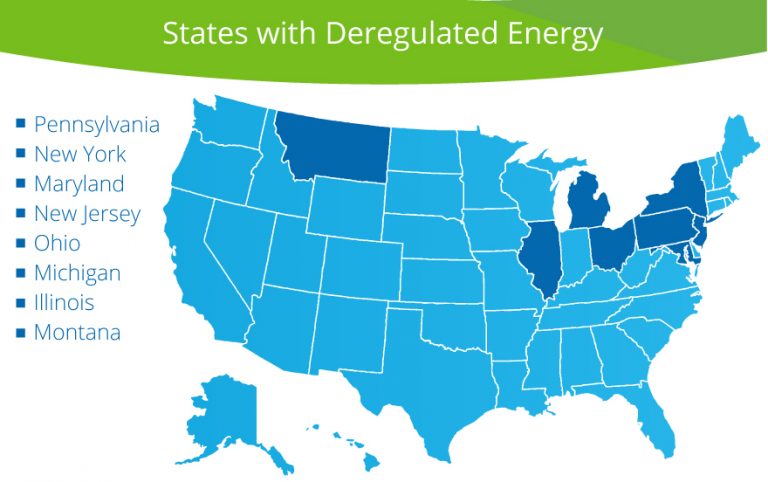
Here, the generation and sale of electricity are separated from the transmission and distribution. What does that mean for you? It means you get to choose your electricity supplier! It's like picking your favorite brand of sparkling water – same bubbles, different packaging, maybe a slightly different aftertaste. There are multiple companies competing for your business, offering different rates, plans, and sometimes even incentives (free smart thermostat, anyone?).
The upside? Competition! This can lead to lower prices, especially if suppliers are constantly trying to undercut each other. It also fosters innovation; companies might offer plans based on renewable energy sources, peak-off-peak pricing, or even plans tied to your astrological sign (okay, maybe not that last one yet, but give it time!). It's a consumer's paradise, a buffet of electrons!
But oh, the downsides. Oh, the glorious, chaotic downsides! Deregulation can lead to price volatility. Remember that friend who's a DJ? Great party, but sometimes they play that one song for three hours straight. In deregulated markets, prices can swing wildly, especially during extreme weather or supply shortages. Think of the 2021 Texas power crisis, where some residents saw bills skyrocket to thousands of dollars overnight. It was like a game of Russian roulette with your utility bill, except every chamber was loaded with pure dread.
Also, the sheer number of choices can be overwhelming. Trying to compare plans can feel like deciphering ancient hieroglyphs, often involving hidden fees and confusing contract terms. It's like trying to pick a Netflix show on a Friday night – so many options, so much analysis paralysis, you end up just rewatching "The Office" for the fifth time.
Surprising Fact! While deregulated markets aim for lower prices, studies have shown that in some cases, consumers in deregulated areas actually end up paying more due to complex pricing structures, lack of transparency, or simply not engaging in active shopping for better deals.
So, Which One Wins the Energy Hunger Games?
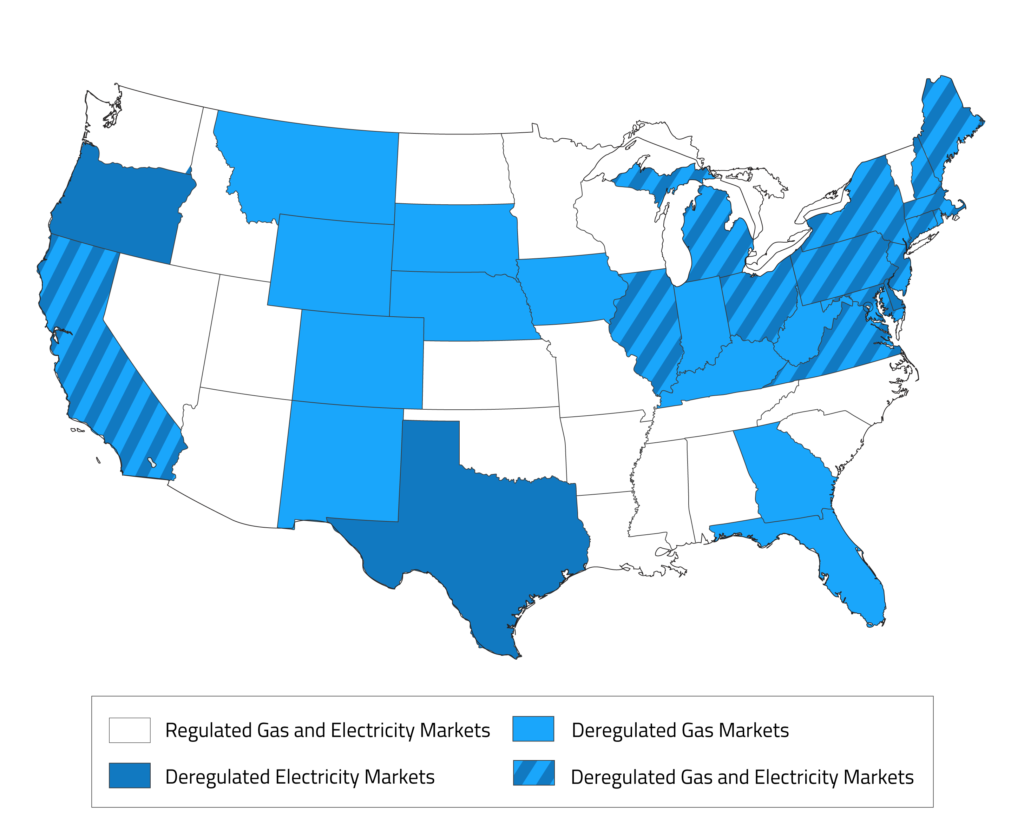
The truth is, like most things in life (and certainly in economics), there's no single "best" answer. It's a constant balancing act between price stability and consumer choice, between reliable predictability and dynamic innovation. Some places thrive under one system, others under the other, and sometimes, well, sometimes it just feels like we're all just hoping the lights stay on.
It's like asking whether you prefer a meticulously planned vacation or a spontaneous road trip. Both have their charms, both have their potential for disaster, and both ultimately get you somewhere. Understanding whether your electrons come from a regulated powerhouse or a competitive marketplace is the first step to becoming an energy-savvy superhero, or at least someone who can confidently grumble about their bill with actual knowledge.
So, next time you flip a light switch, take a moment. Appreciate the journey those electrons took. And maybe, just maybe, check if you could be saving a few bucks. Your wallet (and possibly your toaster) will thank you!